£18.20 – £20.56Price range: £18.20 through £20.56
Prunus domestica ‘Reine Claude d’Oullins’, or Oullins Gage, is a classic British plum tree producing abundant, sweet, yellow-green fruits. Self-fertile and ripening early, it offers a delicious summer harvest and attracts vital pollinators to your garden.
999 in stock
Discover Prunus domestica ‘Reine Claude d’Oullins’, a superb Oullins Gage plum, prized for its early, delicious fruits and charming garden presence.
Prunus domestica ‘Reine Claude d’Oullins’, often simply known as Oullins Gage, is a classic British garden fruit tree. This beloved cultivar produces an abundance of sweet, yellow-green plums, perfect for eating fresh or using in various culinary delights. Originating in Oullins, France, it gained widespread popularity across the UK for its reliability and delicious fruit, making a rewarding addition to any home garden.
The name Prunus domestica ‘Reine Claude d’Oullins’ carries a fascinating history. “Reine Claude” honours Queen Claude of France, wife of King Francis I, who reputedly introduced these delightful plums. “D’Oullins” clearly refers to the town near Lyon where this specific cultivar was discovered or first propagated. This heritage underscores its long-standing appeal and celebrated status among fruit enthusiasts.
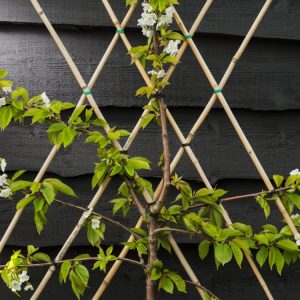
This Oullins Gage plum displays lush green foliage throughout the growing season. Its oval leaves provide pleasant shade. In early spring, usually March or April, the tree bursts into a profusion of delicate white blossoms. These pretty flowers are vital for garden pollinators, including bees and butterflies, actively visiting the tree. Consequently, this leads to a generous fruit set, serving as a crucial early food source for beneficial insects.
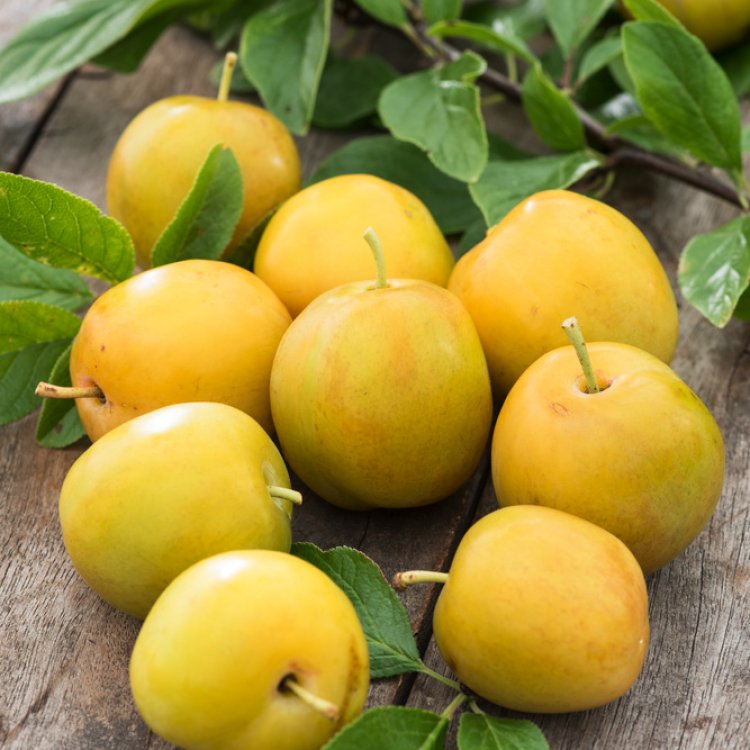
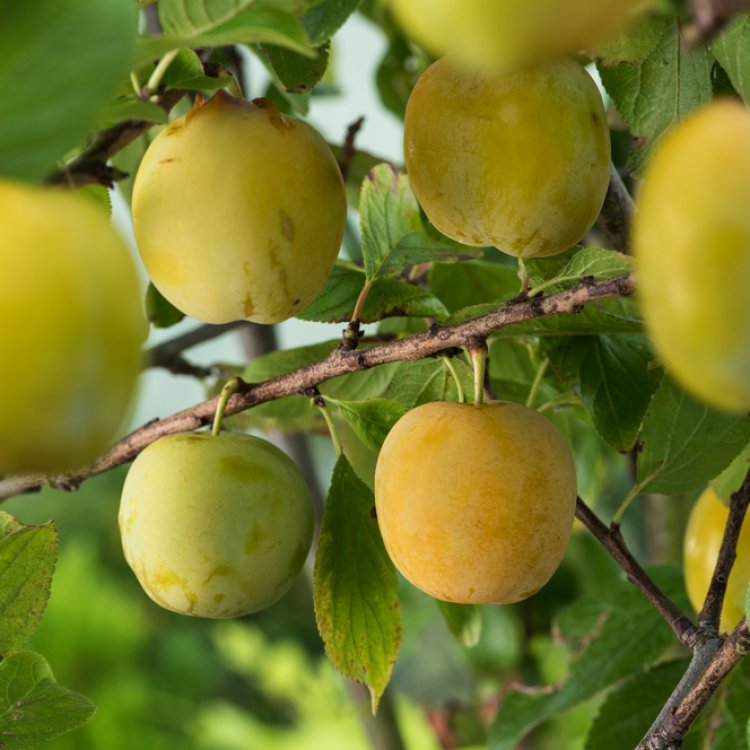
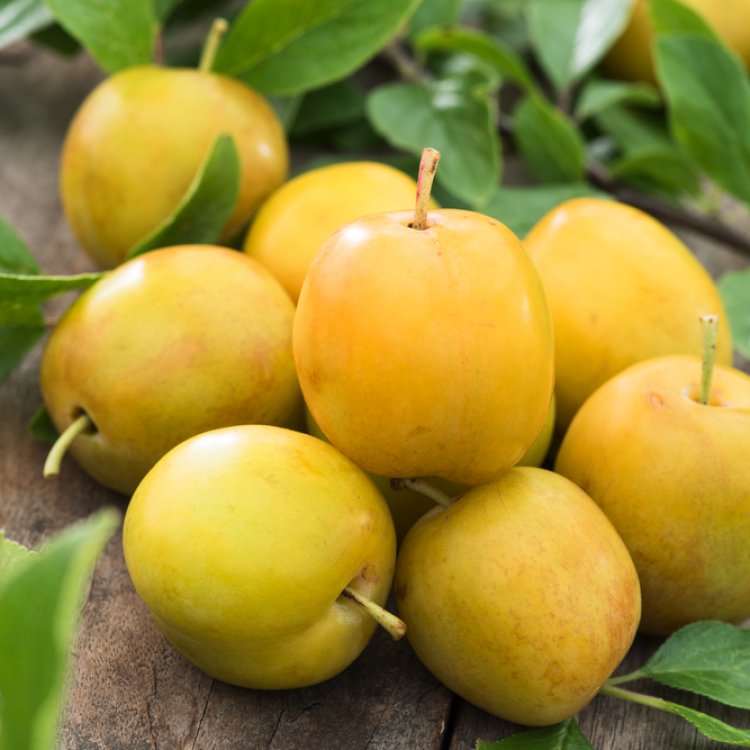
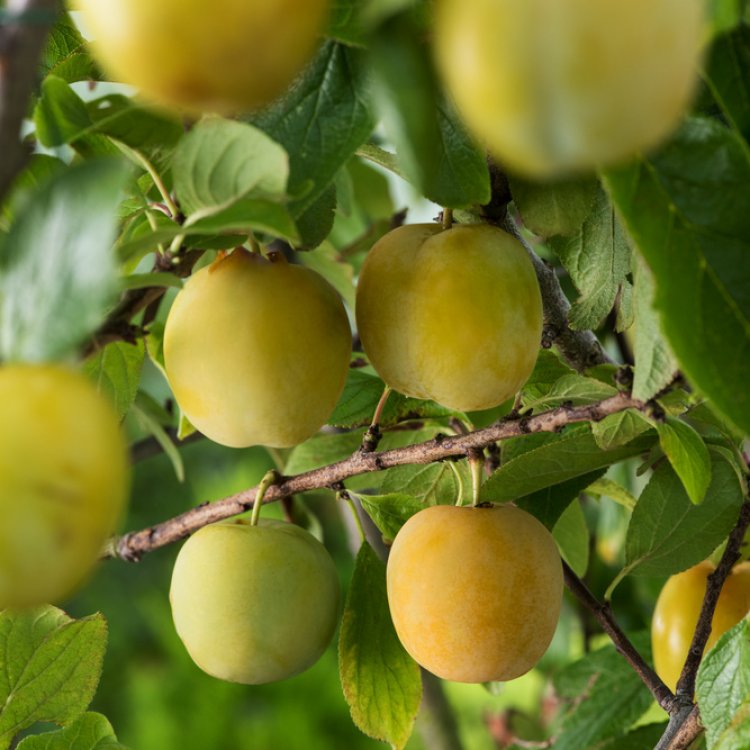
The plums themselves are a striking yellow-green, often with a slight blush when fully ripe. They ripen early in the season, typically by late July to early August in the UK. The fruits are wonderfully juicy and sweet, making them excellent for eating straight from the tree. You can also use them for jams, tarts, or preserves, extending the enjoyment of the harvest.
Prunus domestica ‘Reine Claude d’Oullins’ offers great versatility within the garden. Gardeners often grow it as a freestanding specimen tree, allowing its natural shape to develop. Alternatively, you can train it against a sunny wall as an espalier or fan, saving space and looking elegant. This plum tree also fits well into an informal orchard setting alongside other fruit varieties.
Pruning helps maintain a healthy tree and encourage good fruit production. Generally, prune this tree in summer after fruiting to remove dead, damaged, or crossing branches. Thin out overcrowded growth to improve air circulation and sunlight penetration. This practice ensures a strong framework and a consistent supply of delicious plums.
Beyond its delicious fruit, the Oullins Gage provides valuable benefits for garden wildlife. Its spring blossoms are a crucial early food source for pollinating insects. Bees, hoverflies, and butterflies all visit the flowers, contributing to the garden’s biodiversity. While ripe fruits are primarily for human enjoyment, birds may also be attracted to fallen plums. To protect your harvest, consider netting the tree as fruits begin to ripen, ensuring you savour the sweet rewards.
Very hardy. Tolerates temperatures typical of a continental winter.
This plant is deciduous so it will lose all of its leaves in the autumn and get fresh new foliage each spring.