£18.20 – £20.56Price range: £18.20 through £20.56
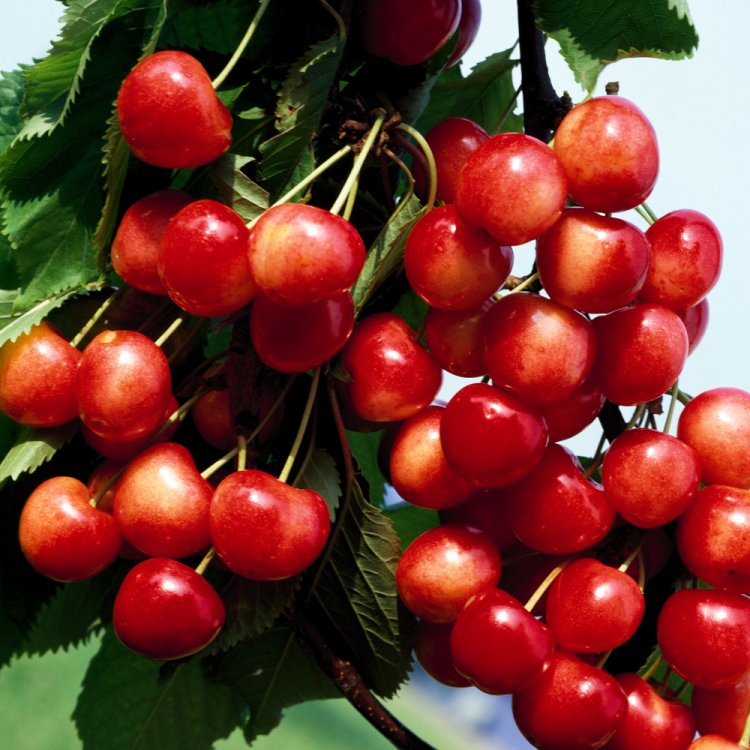
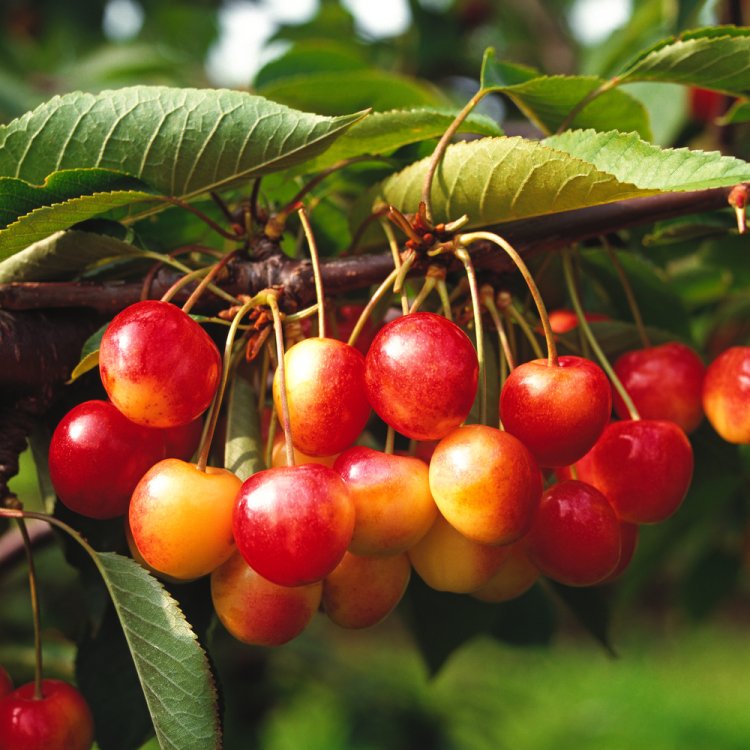
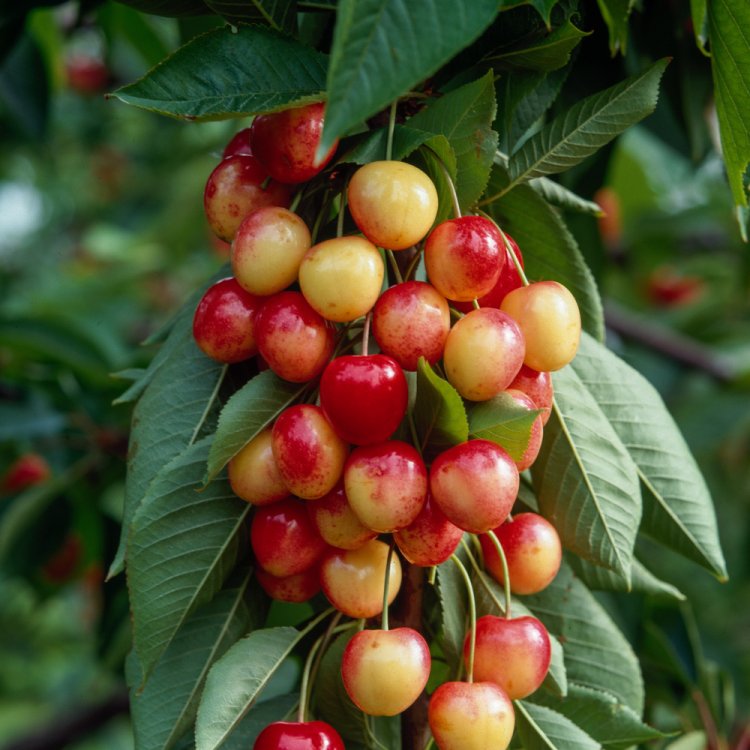
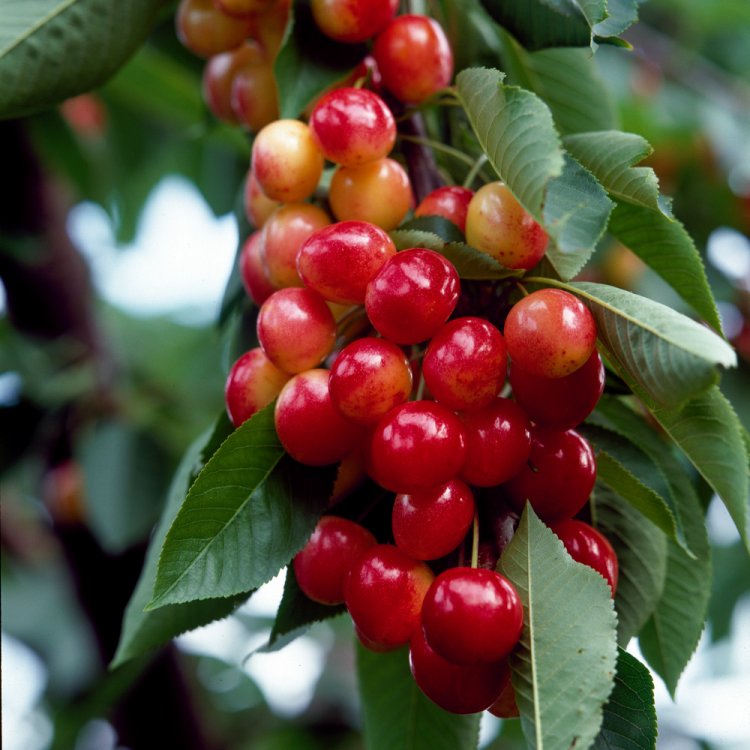
Prunus avium ‘Bigarreau Napoléon’ is a classic sweet cherry, highly valued for its firm, delicious yellow-red blushed fruits. Its abundant white spring blossoms attract pollinators, while the tree itself offers superb ornamental appeal. Ideal for UK gardens, it provides reliable harvests.
500 in stock
Discover Prunus avium ‘Bigarreau Napoléon’, a classic sweet cherry tree cherished for its delicious, firm fruit and ornamental charm in UK gardens.
This esteemed cherry cultivar brings a touch of European heritage to your outdoor space. Originating from France, Prunus avium ‘Bigarreau Napoléon’ has long been a favourite amongst gardeners. They appreciate its reliable cropping and beautiful spring display. It consistently yields an abundance of flavourful cherries. This makes it an excellent addition to any garden desiring both beauty and bounty.
The Prunus avium ‘Bigarreau Napoléon’ is a renowned sweet cherry variety. It is distinguished by its large, firm-fleshed fruits. The name ‘Bigarreau’ refers specifically to this firm, crunchy texture. This quality sets it apart from softer cherry types. Historically, the ‘Napoléon’ designation probably celebrated its superior quality and size. Cultivated across Europe for centuries, it now thrives in the United Kingdom. Gardeners enjoy reliable harvests from this tree. It is an excellent choice for those seeking a heritage fruit tree.
In spring, the tree bursts forth with a stunning display of white, cup-shaped blossoms. These delicate flowers are a magnet for early foraging bees and other vital pollinators. As the season progresses, vibrant green leaves form a dense canopy, offering pleasant shade. Come autumn, these leaves transform into warm, fiery hues. They add spectacular seasonal interest to your garden. This natural cycle also provides food and habitat for various garden wildlife. It further enhances biodiversity in your outdoor space.
This splendid cherry tree forms a medium-sized specimen. It is perfect for a traditional orchard or a spacious garden setting. It needs a sunny spot to ensure optimal fruit development. This also guarantees a good harvest. When choosing its location, consider how its structure will enhance your landscape. Although it requires a pollination partner for fruiting, the effort yields sweet rewards. This tree truly offers aesthetic appeal. It also provides delicious, home-grown produce for many years.
Light pruning helps maintain the tree’s health and shape. You should prune it during summer, immediately after the fruit harvest. This practice encourages better air circulation and sunlight penetration. It promotes stronger growth and prevents disease. Moreover, removing any dead, damaged, or crossing branches ensures the tree remains productive and vigorous. Proper care leads to a long-lived, fruit-bearing Prunus avium ‘Bigarreau Napoléon’. It will enrich your garden for decades.
Very hardy. Tolerates temperatures typical of a continental winter.
Prunus avium 'Bigarreau Napoléon' thrives with regular watering, particularly during dry spells and fruit development. Apply a balanced granular fertiliser each spring. Prune the tree in summer, immediately after harvesting the fruit, to remove dead, diseased, or crossing branches and to maintain an an open, healthy canopy. This cultivar is not self-fertile and requires a pollination partner from flowering groups II, III, or IV, such as 'Stella' or 'Merton Glory', to ensure successful fruit production. Monitor for common cherry pests and diseases, addressing issues promptly.
This plant is deciduous so it will lose all of its leaves in the autumn and get fresh new foliage each spring.