£100.13 – £102.78Price range: £100.13 through £102.78
Prunus avium, the Wild Cherry or Gean, is a stunning native UK deciduous tree. It offers beautiful white spring blossom, vibrant autumn colour, and provides vital food for birds and pollinators. A fast-growing, hardy tree for any larger garden.
3 in stock
Introduce the magnificent Prunus avium, also known as Wild Cherry, a quintessential British native tree, celebrated for its stunning spring blossom and vibrant autumn foliage.
The Wild Cherry, or Gean, is a truly magnificent sight in the UK countryside and gardens. This deciduous tree offers immense beauty throughout the seasons. Its elegant form provides a wonderful focal point. Furthermore, it supports a diverse range of local wildlife, making it a valuable addition to any larger garden or naturalised setting. It brings a touch of wild elegance to any landscape.
Prunus avium, commonly known as Wild Cherry or Gean, is a distinguished deciduous tree native to the UK. It belongs to the Rosaceae family. The name ‘avium’ is Latin, meaning ‘of birds,’ which highlights its appeal to feathered friends.
This noble tree can grow quite tall, reaching heights of up to 25 metres. Its presence adds real grandeur to any setting. Its strong, upright growth creates a striking silhouette, especially when mature. This makes it an imposing and beautiful feature.
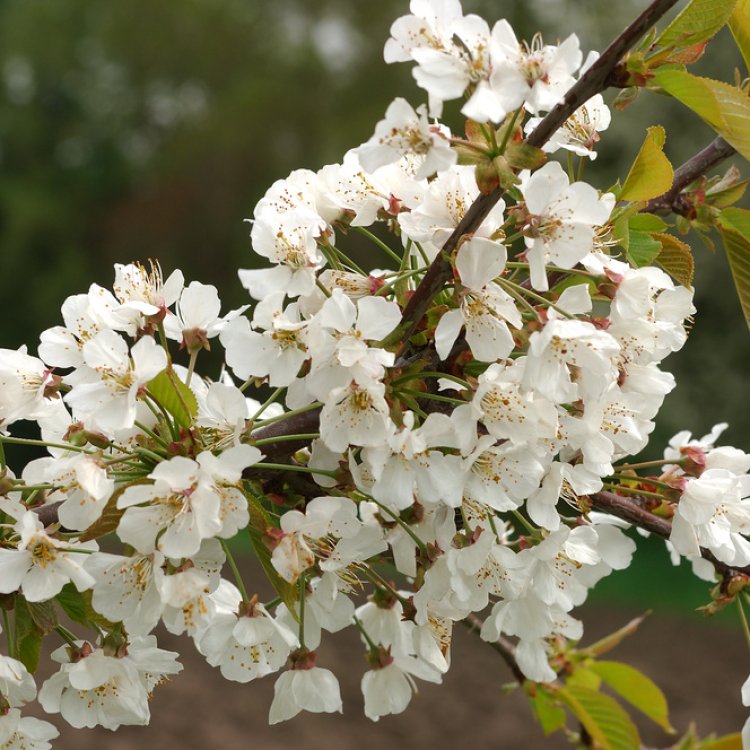
Each spring, the Prunus avium bursts into life. It produces a spectacular display of pure white, cup-shaped flowers. These delicate blossoms cluster along its branches, creating a stunning visual feast. Bees and other pollinators flock to these flowers, drawn by their rich nectar and pollen. As a result, the tree buzzes with activity.
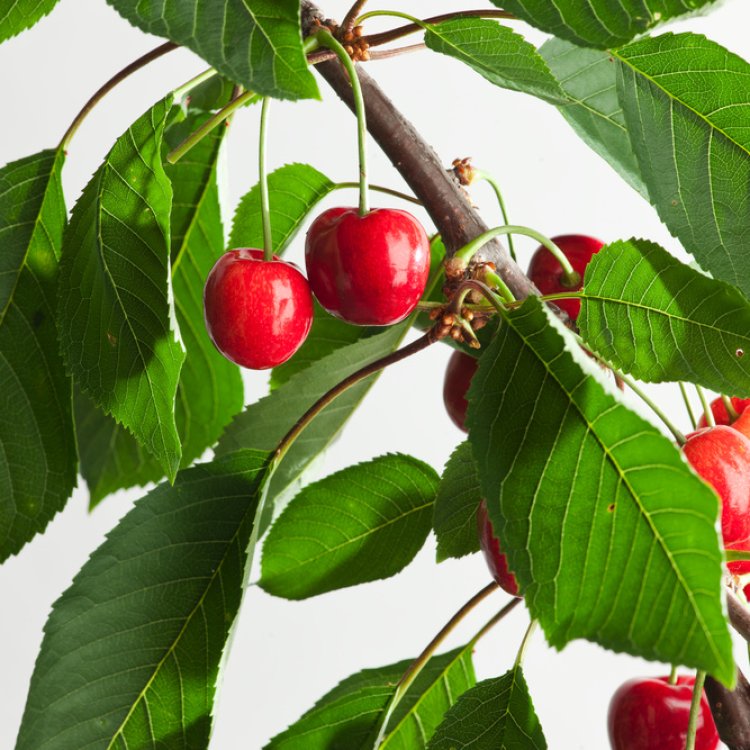
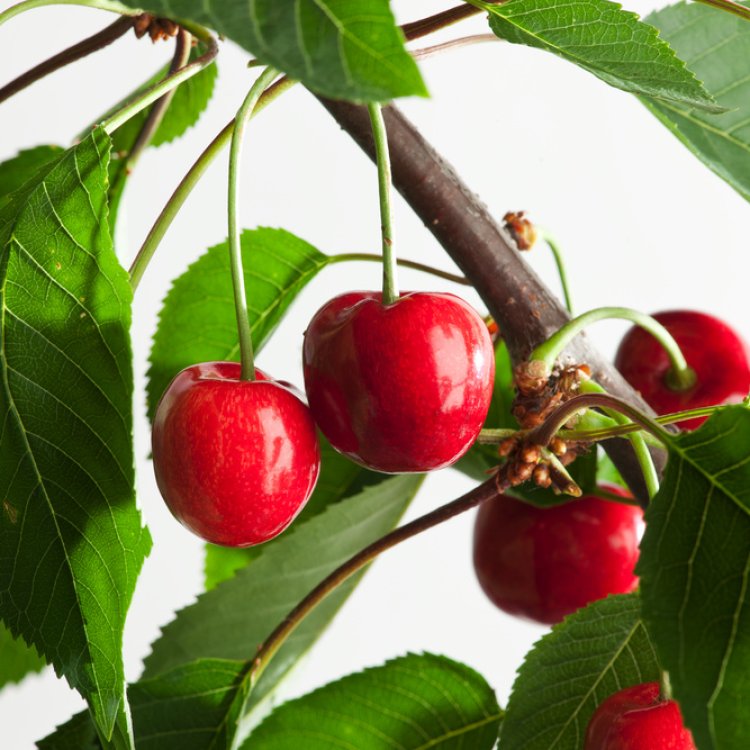
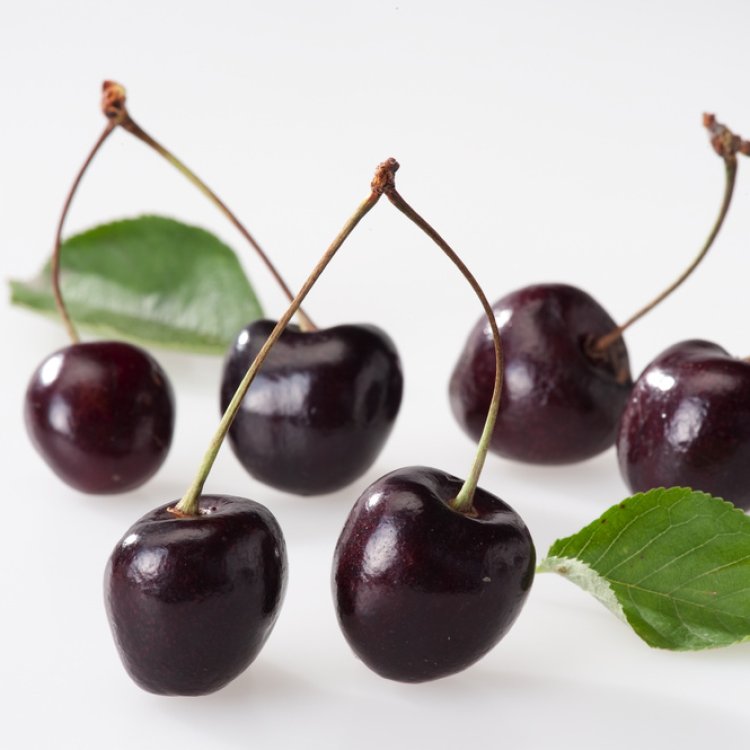
Following this beautiful floral show, small, dark red to black cherries develop. These fruits, while edible for humans, are especially cherished by birds. Hence, they offer a vital food source through the summer months, attracting various species. This natural bounty exemplifies the tree’s common name, ‘Bird Cherry’.
The foliage of the Wild Cherry adds further appeal. Its oval, serrated green leaves provide a lush canopy throughout spring and summer. As autumn arrives, these leaves transform dramatically. They shift into brilliant shades of orange, red, and purple, creating a breathtaking autumnal spectacle.
For garden design, Prunus avium works wonderfully as a stately specimen tree. Furthermore, it suits woodland planting schemes. It also forms impressive avenues in larger spaces, making a grand statement. Its strong visual impact ensures it stands out beautifully.
Prunus avium is a fast-growing tree. It quickly establishes itself, offering shade and beauty in a relatively short time. While it develops a broad, conical crown, its overall form is inherently elegant and low-maintenance. This natural beauty needs little intervention.
Minimal pruning is generally required for the Wild Cherry. Any necessary pruning usually focuses on removing dead, damaged, or crossing branches. This vital task is best done in summer. Pruning at this time helps to prevent serious diseases such as silver leaf. This careful approach maintains the tree’s natural shape and ensures its ongoing health and vigour.
Very hardy. Tolerates temperatures typical of a continental winter.
Water Prunus avium regularly during its first year, especially in dry periods, to ensure good establishment. Once mature, it is generally drought tolerant. Apply a generous mulch of well-rotted organic matter around the base in spring; this helps retain soil moisture and suppresses weeds. Feeding is rarely needed for established trees. Pruning should be minimal, primarily to remove dead, damaged, or crossing branches. Always prune in summer to reduce the risk of silver leaf disease. Monitor for common pests and diseases, addressing any issues promptly to maintain the tree's health.
This plant is deciduous so it will lose all of its leaves in the autumn and get fresh new foliage each spring.