£6.16 – £6.88Price range: £6.16 through £6.88
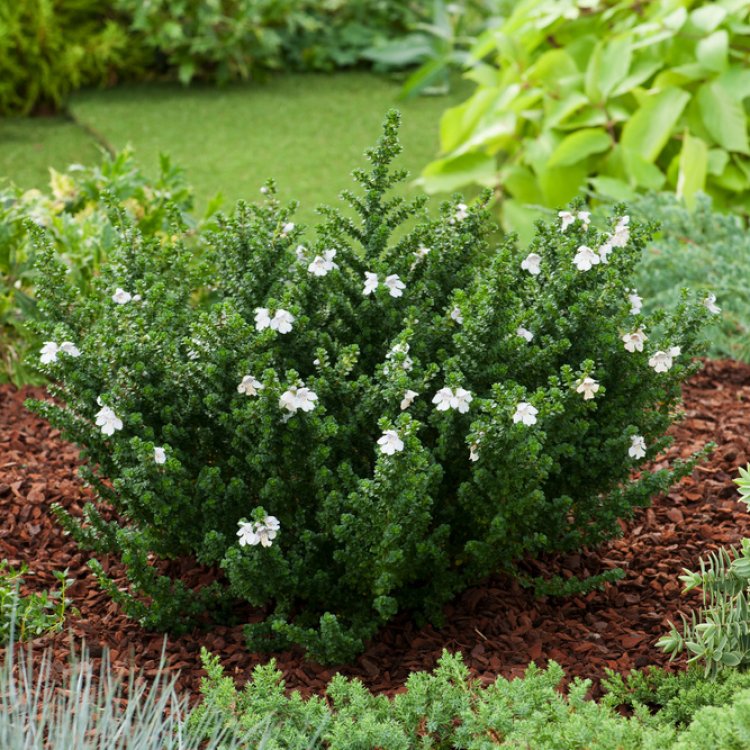
Prostanthera cuneata, or Alpine Mint Bush, is a fragrant evergreen shrub offering delicate white flowers in late spring to early summer. Its aromatic foliage releases a fresh minty scent when touched, ideal for sensory gardens and attracting pollinators like bees.
790 in stock
Uncover the charm of Prostanthera cuneata, an exquisite evergreen shrub, perfect for adding fragrant beauty and delicate blooms to UK gardens.
The Alpine Mint Bush, Prostanthera cuneata, hails from southeastern Australia, gracing British gardens with its distinctive appeal. This delightful evergreen shrub belongs to the Lamiaceae family, which also includes many popular herbs. It is cherished for its tidy habit and aromatic foliage. Gardeners often select this plant for its early summer flowers and its ability to bring a touch of the antipodes to their outdoor spaces. Furthermore, it offers year-round structure and interest.
Key Features of Prostanthera cuneata:
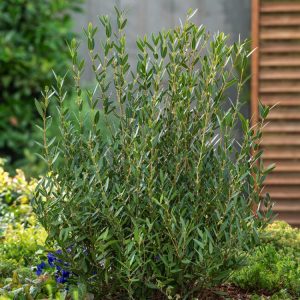
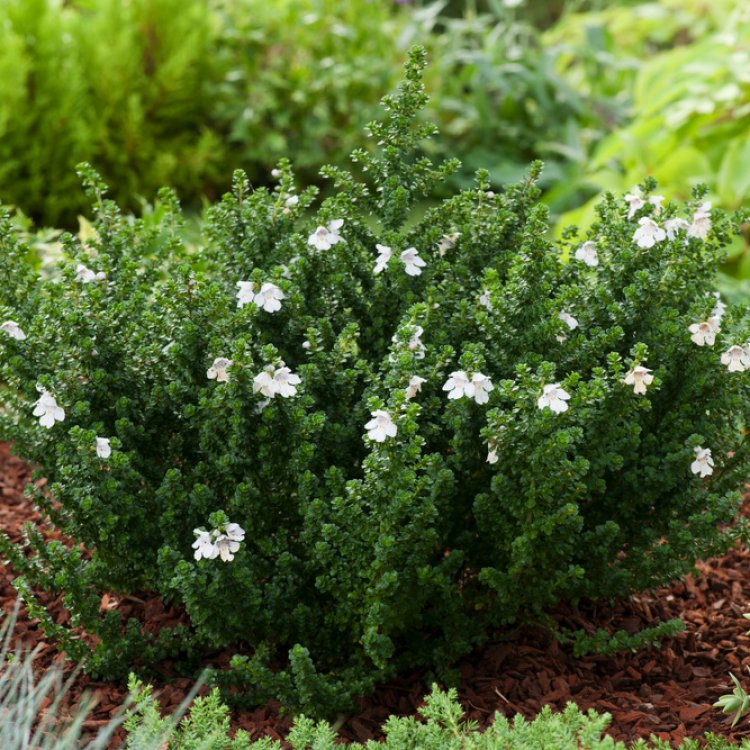
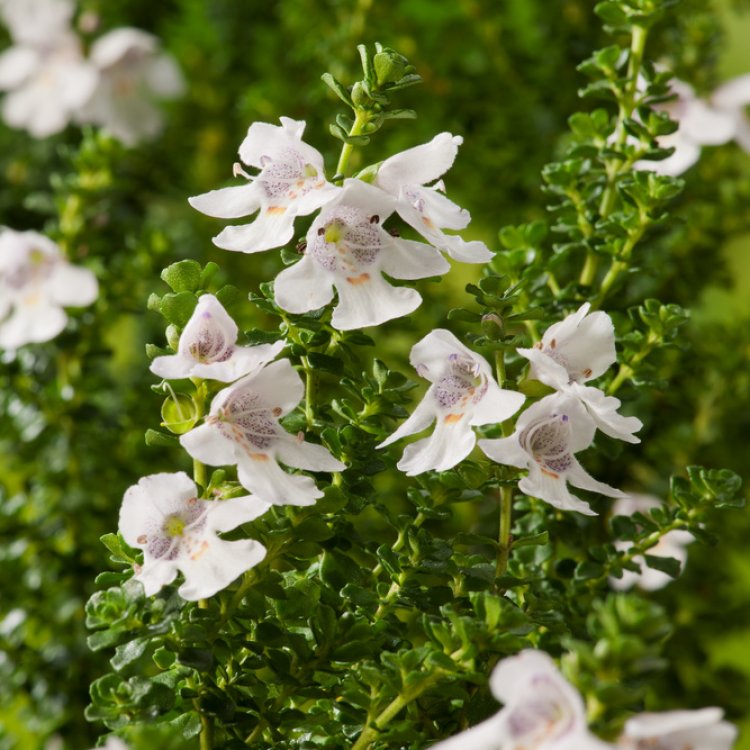
Prostanthera cuneata is a captivating evergreen shrub that brings structure and aroma to your garden. Its small, dark green leaves have a distinctive wedge shape, which explains the specific epithet ‘cuneata’. When you gently brush against the foliage, it releases a wonderful, fresh minty fragrance. This makes it a great choice for planting near paths or seating areas. The plant maintains a neat, bushy form, fitting easily into various garden designs.
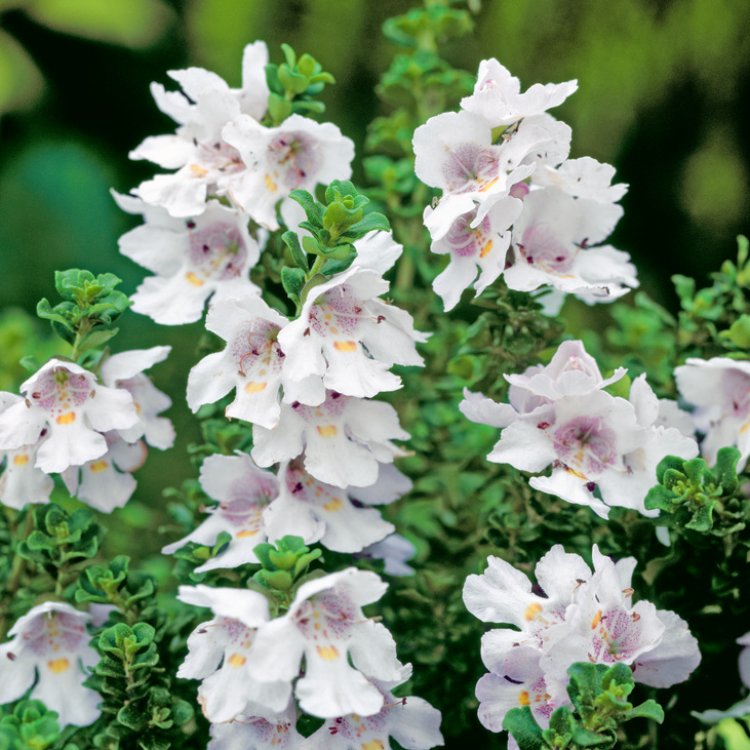
In late spring and early summer, Prostanthera cuneata produces a profusion of delicate white, tubular flowers. These pretty blossoms often feature tiny purple spots deep within their throats. The sheer volume of flowers creates a striking display against the dark green leaves. The genus name, Prostanthera, comes from Greek words relating to anthers. This plant truly showcases nature’s intricate details. Its blooms also provide a valuable food source for local wildlife, especially bees.
You can use Prostanthera cuneata in many ways within your garden. It excels as a specimen plant, drawing attention with its unique features. It also works well in mixed borders, adding fine texture and aromatic quality. Its compact size makes it ideal for container planting on patios or balconies. For a truly immersive experience, plant it where you can easily brush past its fragrant foliage. This mint bush also suits rock gardens.
This charming shrub generally requires minimal pruning. After its main flowering period, a light trim helps maintain its neat shape. It also encourages bushier growth. Remove any spent flower heads and tidy up straggly stems. This simple action ensures your Prostanthera cuneata remains healthy and vibrant. Its flowers attract various pollinators, including busy bees, enhancing your garden’s biodiversity.
Hardy across most of the UK except particularly exposed or cold regions.
Water regularly during dry spells, especially in the first year after planting to ensure good establishment. Ensure the soil is well-drained to prevent waterlogging.
Apply a balanced, slow-release fertiliser in spring as new growth begins. For container-grown plants, a general-purpose liquid feed can be given during the main growing season.
Lightly prune Prostanthera cuneata after its main flowering period in early summer. This helps to maintain a compact, neat shape and encourages denser, bushier growth. Remove any spent flower heads or leggy stems.
In colder regions of the UK, provide Prostanthera cuneata with a sheltered planting spot. For plants grown in containers, consider moving them to a frost-free environment such as a cold greenhouse or conservatory during the coldest months, or provide winter protection like horticultural fleece.
Prostanthera cuneata is generally robust and relatively free from serious pests and diseases. Keep an eye out for common garden pests such as aphids, though these rarely cause significant issues and can usually be managed with organic methods or a strong jet of water.