

£3.83 – £4.54Price range: £3.83 through £4.54
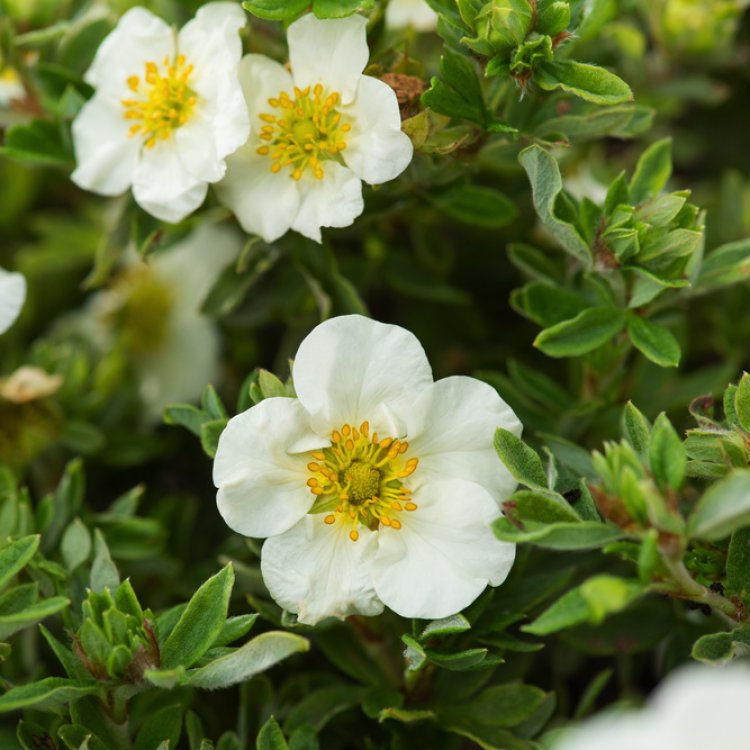
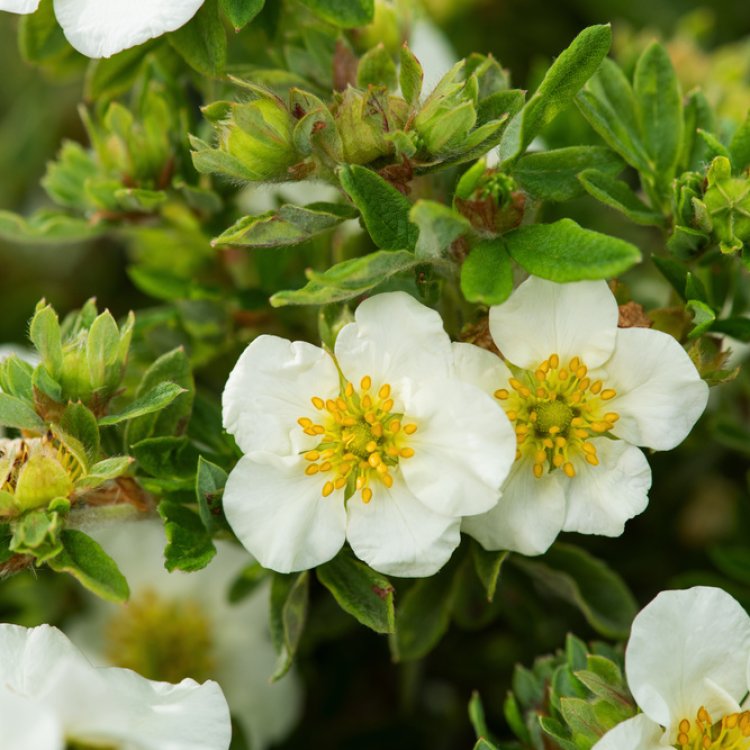
Potentilla fruticosa ‘Tilford Cream’ is a hardy, compact shrub. It offers beautiful creamy-white flowers with yellow centres from June to October. This low-maintenance Shrubby Cinquefoil is perfect for borders and attracts essential pollinators to your UK garden.
111 in stock
Discover Potentilla fruticosa ‘Tilford Cream’, a delightful, easy-care shrub offering abundant creamy blooms and a long season of interest for any UK garden.
Potentilla fruticosa ‘Tilford Cream’ is a charming and versatile deciduous shrub that graces gardens with its delicate yet persistent beauty. Renowned for its extended flowering period, this cultivar provides continuous visual appeal from early summer through to autumn. Its compact growth habit and resilient nature make it an ideal choice for a variety of garden settings, effortlessly enhancing mixed borders, rockeries, or even patio containers. This plant truly thrives in the British climate, offering reliable performance with minimal fuss.
Potentilla, also known as Shrubby Cinquefoil, derives its name from the Latin word ‘potens’, meaning powerful. This reflects the historical medicinal uses of some species. The specific epithet ‘fruticosa’ simply means shrubby, accurately describing its growth form.
‘Tilford Cream’ is a distinguished cultivar. It is celebrated for its unique creamy-white to pale yellow, saucer-shaped flowers, which feature bright yellow centres. These delightful blooms appear prolifically across the plant, creating a soft, luminous display.
This remarkable shrub, Potentilla fruticosa ‘Tilford Cream’, is an excellent plant for diverse garden applications. Gardeners often place it to edge borders, providing continuous colour at a lower level. Furthermore, it works wonderfully in rockeries where its compact form complements stone features. Its neat habit also makes it suitable for low hedging, defining areas with natural charm.
Beyond its aesthetic qualities, ‘Tilford Cream’ plays a vital role in supporting local ecosystems. Its open flowers are particularly attractive to bees and other pollinators. As a result, planting this shrub helps to encourage biodiversity in your garden, creating a vibrant, buzzing environment.
Potentilla fruticosa ‘Tilford Cream’ generally requires minimal pruning to thrive. However, gardeners can prune it annually in late winter or early spring. This practice helps to maintain its neat shape and encourages an abundance of new, flower-producing shoots. Simply remove any old, weak, or crossing stems to rejuvenate the plant. Moreover, this gentle shaping ensures a continuous display of its beautiful, creamy flowers throughout the growing season.
Hardy in the harshest UK conditions and below. Suitable for mountain regions.
Potentilla fruticosa 'Tilford Cream' is a low-maintenance shrub, ideal for busy gardeners. Pruning is best performed in late winter or early spring before new growth appears. Remove any old, weak, or crossing stems to maintain a tidy shape and encourage vigorous new flowering shoots. You can also lightly trim spent flowers to keep the plant looking neat, though this is not essential for further blooming.
When newly planted, ensure regular watering until the shrub is well-established. Mature plants are quite drought-tolerant, only requiring extra water during prolonged dry spells. While generally adaptable to most well-drained soils, an annual application of a balanced general-purpose fertiliser in spring can boost its vitality and flowering performance.
This plant is deciduous so it will lose all of its leaves in the autumn and get fresh new foliage each spring.