
£2.52 – £3.22Price range: £2.52 through £3.22
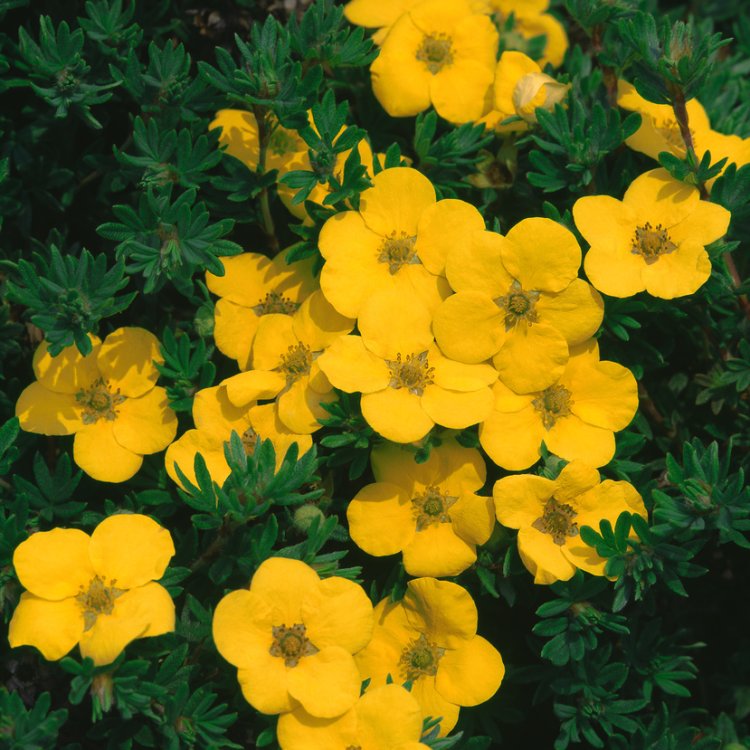
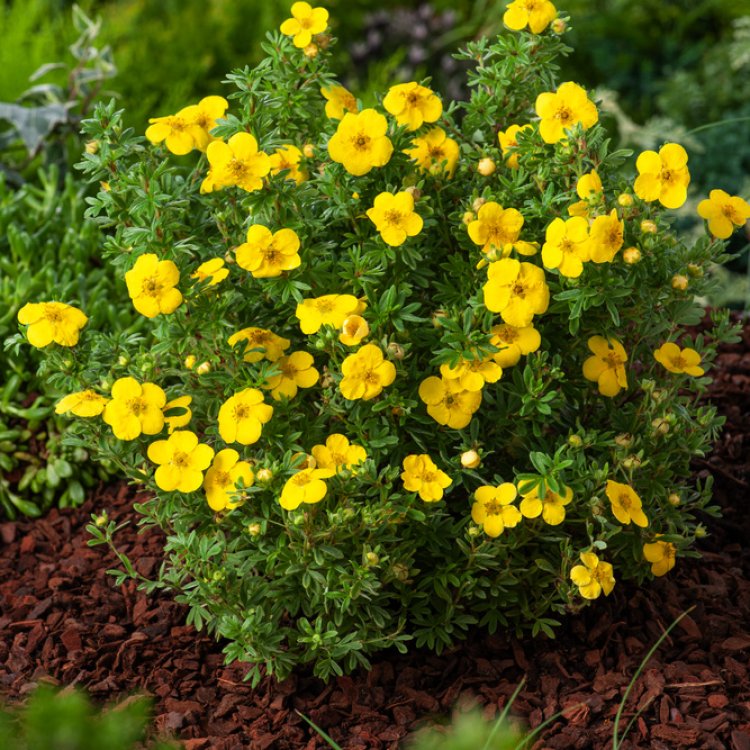
Potentilla fruticosa ‘Kobold’ is a compact, deciduous shrub that produces bright yellow, buttercup-like flowers from early summer into autumn. Perfect for borders or rockeries, it is low-maintenance, hardy, and attracts pollinators.
2306 in stock
Potentilla fruticosa ‘Kobold’ offers bright yellow blooms from summer into autumn, a robust and cheerful addition to any UK garden.
This compact deciduous shrub, often known as Shrubby cinquefoil, brings enduring colour and simple beauty. It thrives in various conditions and asks for little in return. Gardeners value its low-maintenance nature and long flowering season. ‘Kobold’ is a popular choice for its vibrant floral display. Moreover, it consistently performs well, providing continuous interest.
The name ‘Potentilla’ comes from the Latin “potens,” meaning powerful. It reflects historical medicinal uses of some species. ‘Fruticosa’ means shrubby, describing its woody growth. ‘Kobold’ is a cultivar name, often referring to a mischievous sprite in German folklore. Perhaps this hints at its delightful, busy nature in the garden. This resilient shrub showcases a wealth of small, buttercup-like yellow flowers. They bloom continuously from early summer right through to the first frosts of autumn. Its delicate, green leaves provide a pleasing backdrop to the vibrant display. Furthermore, the foliage offers attractive texture throughout the growing season.
Potentilla fruticosa ‘Kobold’ is a versatile plant. Gardeners use it effectively for front-of-border planting, rockeries, or as an informal low hedge. It also performs wonderfully in patio pots, adding a splash of colour to confined areas. Its dense, bushy growth offers shelter for small garden birds. Importantly, the open, simple flowers are a magnet for pollinators. Bees and butterflies visit frequently, drawn to its nectar and pollen. This makes the shrub a superb choice for wildlife-friendly gardens. Consequently, it enriches your garden’s biodiversity.
You can easily prune Potentilla fruticosa ‘Kobold’ to maintain its tidy shape and encourage fresh growth. A light trim after the main flush of flowers helps to keep it compact. You can also undertake more significant renovation pruning in late winter or early spring. This involves cutting back older, less productive stems. This practice ensures a robust and floriferous display in the coming season. This shrub truly is a reliable and cheerful garden performer, consistently delivering beauty and ease of care. Therefore, it is a valuable asset to many garden designs.
Hardy in the harshest UK conditions and below. Suitable for mountain regions.
Potentilla fruticosa 'Kobold' is a low-maintenance shrub that generally requires little specific care. Plant it in well-drained soil, ensuring it receives either full sun or partial sun for best flowering. Water regularly during its first year to help establish a strong root system. Once established, it is drought tolerant, but occasional watering in prolonged dry spells will benefit it. Prune in late winter or early spring to remove any dead or weak growth, and to maintain its compact shape. You can also lightly trim after flowering to encourage a second flush of blooms and keep the plant tidy. No specific feeding is usually required unless planted in very poor soil; a general-purpose slow-release fertiliser in spring can be beneficial in such cases.
This plant is deciduous so it will lose all of its leaves in the autumn and get fresh new foliage each spring.