£4.18 – £4.90Price range: £4.18 through £4.90
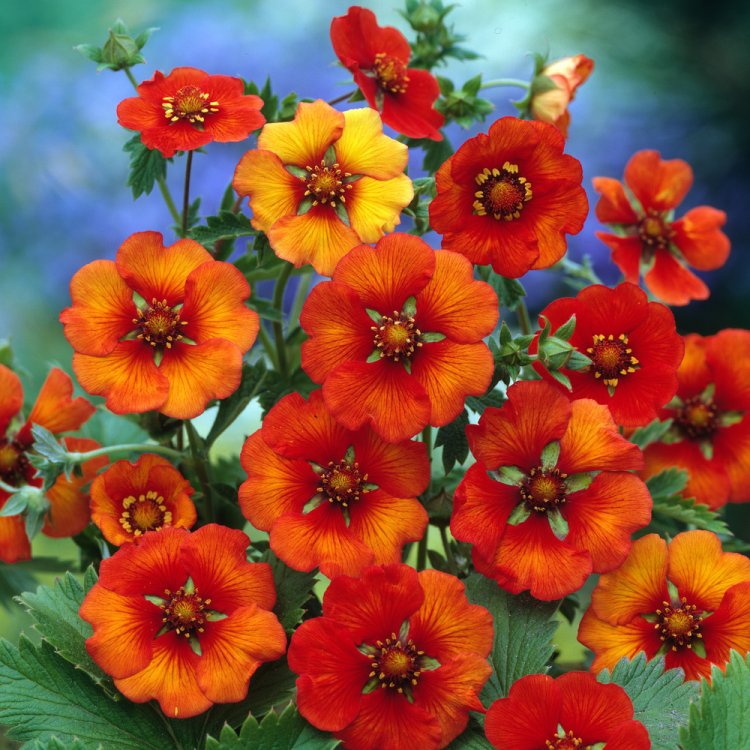
Potentilla atrosanguinea is a vibrant perennial, producing deep crimson flowers from early summer to autumn. Its hardy nature and nectar-rich blooms make it perfect for UK garden borders, attracting bees and butterflies.
659 in stock
Potentilla atrosanguinea brings vibrant, deep red blooms to your garden, creating a striking display from early summer through to autumn.
Hailing from the majestic Himalayas, Potentilla atrosanguinea is a cherished herbaceous perennial. Gardeners across the UK value its resilient nature and prolonged flowering period. Its cheerful, cup-shaped flowers provide a welcome splash of colour. This makes it a popular choice for various garden settings. This charming plant offers both beauty and ease of cultivation, thriving with minimal fuss.
The botanical name Potentilla atrosanguinea offers insight into this plant’s characteristics. “Potentilla” derives from the Latin “potens,” meaning “powerful.” This is a nod to the historical medicinal uses of some species. The specific epithet “atrosanguinea” beautifully describes its bloom colour, meaning “dark blood-red.” Hailing from the high altitudes of the Himalayas, this species naturally adapts to a range of conditions. This makes it robust for UK gardens.
Potentilla atrosanguinea truly shines with its prolific flowering. Throughout summer and into autumn, a constant succession of vibrant, cup-shaped flowers emerges. These typically showcase stunning shades of deep crimson, fiery red, or brilliant orange. Each flower features five delicate petals, creating a simple yet captivating form. The plant’s foliage complements these blooms perfectly. Its leaves are palmate, reminiscent of strawberry leaves, and possess a lovely grey-green hue. This creates a pleasing contrast against the vivid flowers.
You can effortlessly incorporate Potentilla atrosanguinea into many garden designs. It serves as an excellent choice for edging borders. It also softens pathways or provides dependable ground cover. Furthermore, its modest height makes it superb for rockeries. It is also great for the front of a mixed perennial bed. This plant also performs a vital role in supporting local wildlife. Its open, nectar-rich flowers eagerly invite bees and butterflies. Other beneficial pollinators also visit your garden. Thus, it adds not only beauty but also ecological value.
Growing to an approximate height and spread of 60cm, Potentilla atrosanguinea establishes itself well without becoming unruly. This plant exhibits an average growth rate, filling its space effectively over time. Pruning is generally straightforward. Simply deadhead spent flowers regularly. This encourages the production of new blooms and prolongs the flowering season. For overall plant health and vigour, cut back the faded foliage in late autumn or early spring. Do this before new growth appears. This ensures a tidy appearance and promotes strong development for the following year.
Hardy in the harshest UK conditions and below. Suitable for mountain regions.
Deadhead spent flowers regularly to encourage continuous blooming. Cut back faded foliage in late autumn or early spring to maintain tidiness and promote new growth. Water during prolonged dry spells, especially in its first year. Apply a balanced general fertiliser in spring to support vigorous growth.