£4.36 – £5.78Price range: £4.36 through £5.78
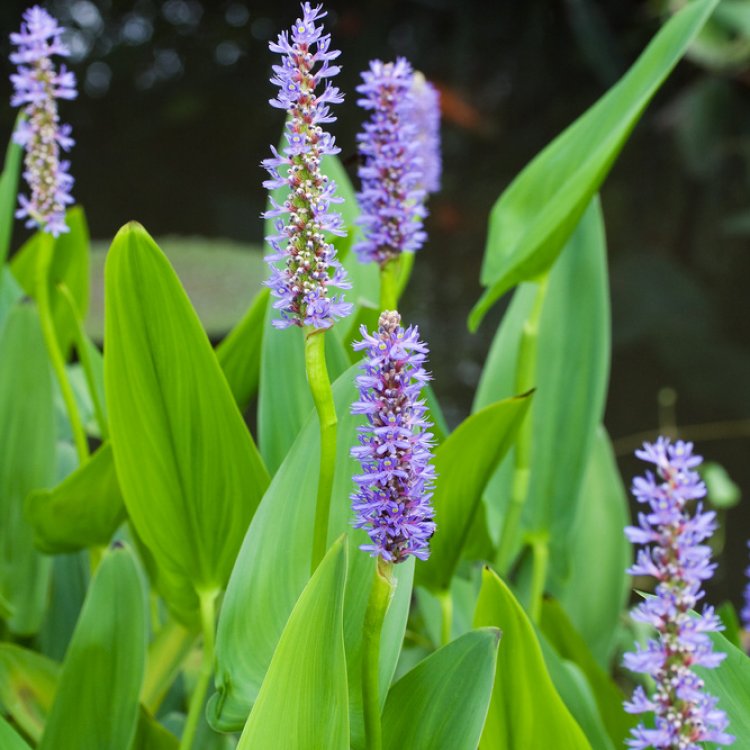
Pontederia cordata, or Pickerelweed, is an aquatic perennial producing vibrant blue-purple flower spikes and lush, heart-shaped leaves. Perfect for UK pond margins and bog gardens, it attracts pollinators and thrives in shallow water.
297 in stock
Discover Pontederia cordata, a striking aquatic perennial that brings vibrant blue-purple spikes and lush foliage to UK ponds and water gardens.
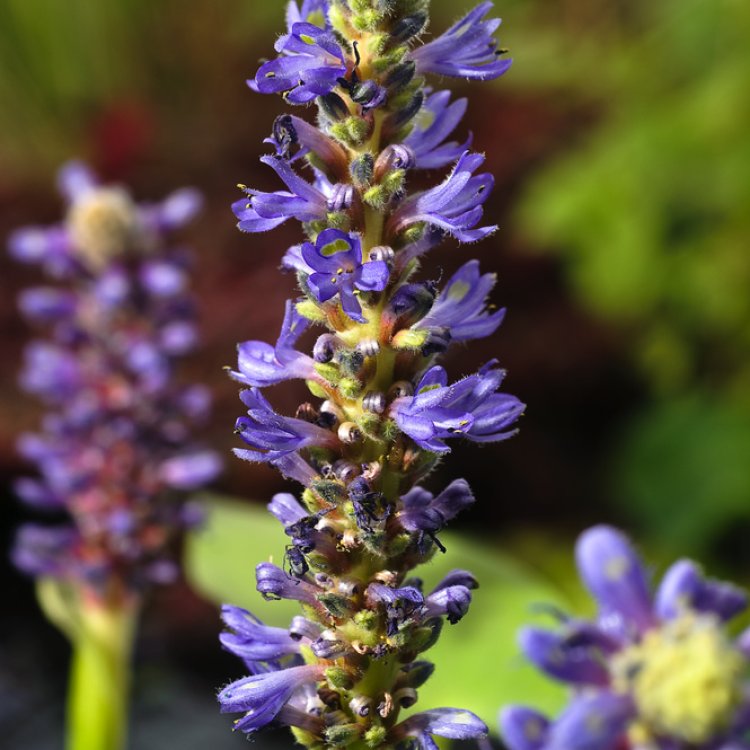
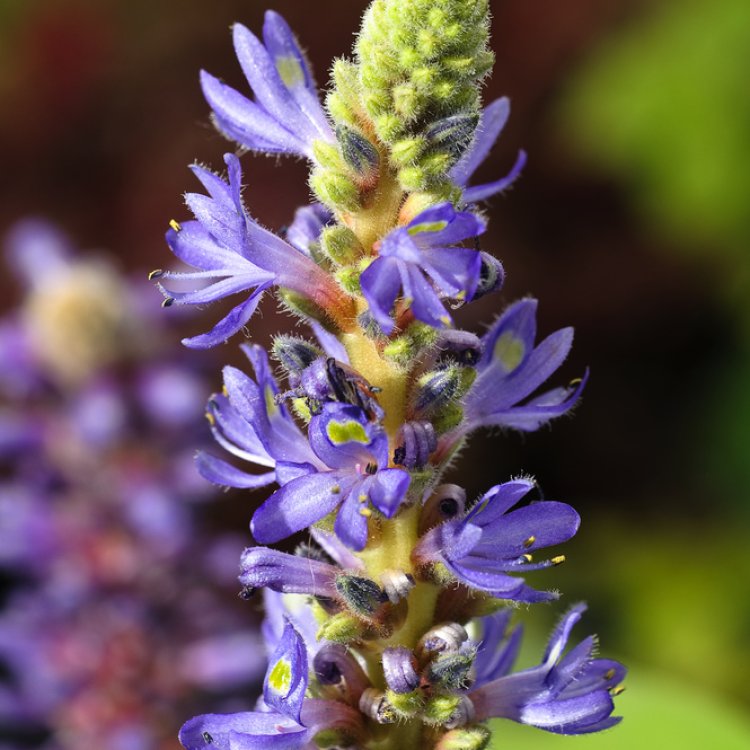
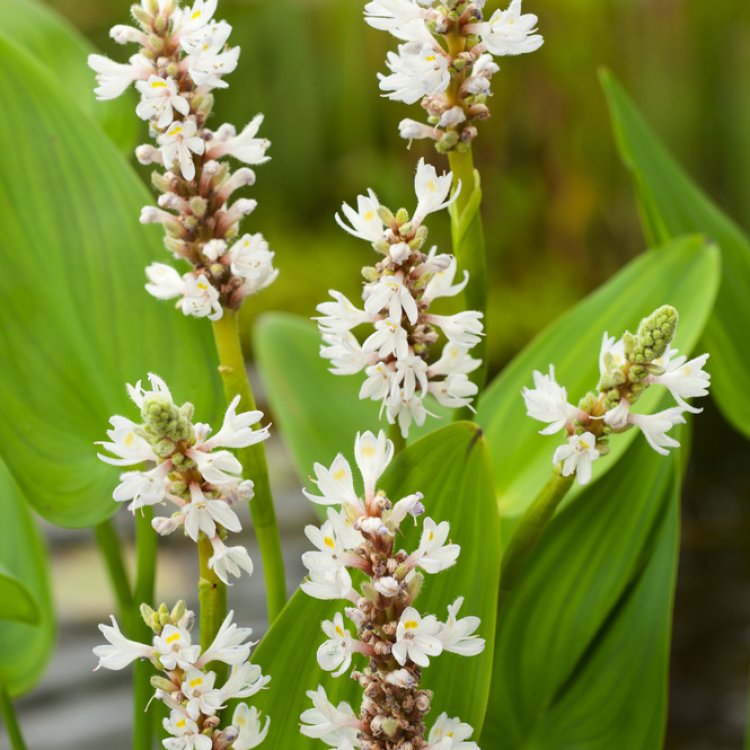
Pontederia cordata, often known as Pickerelweed, is a truly beautiful and versatile addition to any water feature in a UK garden. This robust native North American plant thrives in shallow water or boggy conditions. It is perfect for the edges of garden ponds. Its distinctive, glossy, heart-shaped leaves provide a rich green backdrop. Meanwhile, its upright flower spikes deliver a welcome and vibrant splash of blue-purple colour. Gardeners appreciate its reliable nature and ease of care. This ensures a delightful display throughout the warmer summer months.
Pontederia cordata gets its name from Giulio Pontedera, an 18th-century Italian botanist. The species epithet ‘cordata’ refers to its distinctive heart-shaped leaves. This herbaceous perennial thrives in temperate climates. It is especially well-suited for growing in shallow water or moist soil. Many gardeners know this plant as Pickerelweed. It quickly establishes itself, offering a natural look to pond edges.
The flowering period for Pontederia cordata typically extends from July through to September. During this time, the plant produces tall, showy spikes of dense, vibrant blue-purple flowers. These flowers stand proudly above the water’s surface. Each spike is covered with numerous small, tubular blooms. This creates a striking visual effect. Below the blooms, the plant forms a dense clump of glossy, bright green leaves. These leaves are characteristically heart-shaped and provide an appealing texture. The lush foliage remains attractive even when the plant is not in flower, adding continuous interest.
Pontederia cordata is an ideal plant for various water garden settings across the UK. It naturally softens the transition between water and land. You can plant it directly into pond margins or in aquatic baskets submerged in shallow water. Its upright growth habit creates vertical interest. Furthermore, this plant provides valuable habitat and food for wildlife. Bees and butterflies are particularly fond of its nectar-rich flowers. The dense root system also helps to stabilise pond edges. Pickerelweed does not require regular pruning. You simply remove spent flower stalks and yellowed leaves to maintain its tidy appearance. This keeps the plant looking its best.
Hardy across most of the UK except particularly exposed or cold regions.
Plant Pontederia cordata in aquatic baskets or directly into shallow pond margins, ensuring its crown is just below or at the water's surface. It thrives in depths from 5-30cm. Remove spent flower stalks and any yellowing leaves to maintain vigour and a tidy appearance. Divide congested clumps every few years in spring to prevent overcrowding and encourage healthy growth. Ensure it receives plenty of sunlight.