£18.41 – £20.77Price range: £18.41 through £20.77
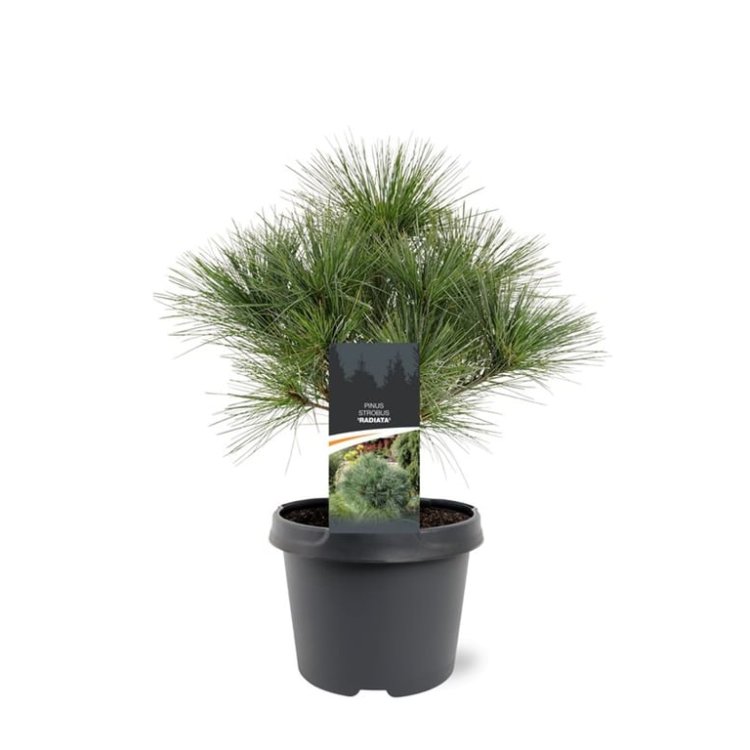
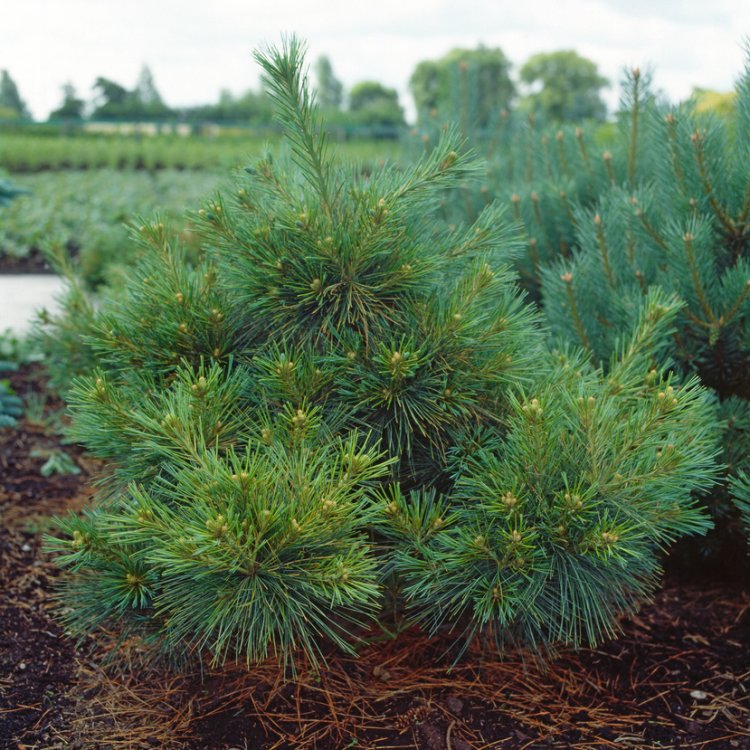
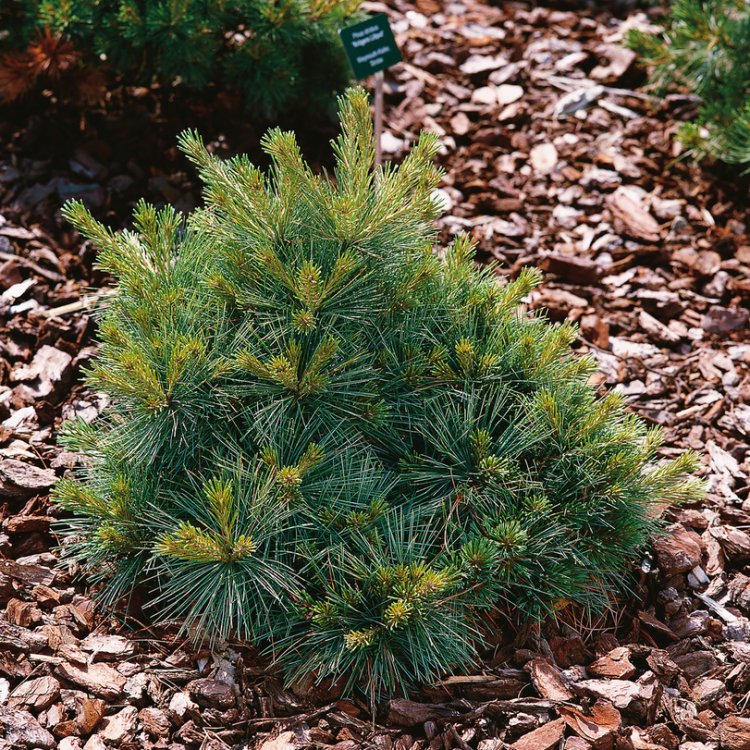
Pinus strobus ‘Radiata’ is a dwarf Weymouth Pine, valued for its soft, blue-green needles and compact form. This low-maintenance evergreen conifer brings year-round structure and beauty to UK gardens, ideal for rockeries or containers.
885 in stock
Discover Pinus strobus ‘Radiata’, a distinctive dwarf conifer known for its soft, blue-green needles and naturally elegant, compact form, perfect for UK gardens.
This exquisite cultivar of the Weymouth Pine, Pinus strobus ‘Radiata’, offers a refined presence in any garden setting. Its unique habit and delicate foliage make it a cherished specimen, especially where space is at a premium. Originating from the Eastern White Pine species, which is native to North America, ‘Radiata’ was selected for its compact, often globular or broadly conical growth, providing year-round interest and structure. Furthermore, its graceful appearance complements diverse planting schemes, enhancing visual appeal throughout the seasons.
Pinus strobus ‘Radiata’ is a valuable cultivar, derived from the Weymouth Pine. Lord Weymouth introduced the species to Britain in the 18th century. The ‘Radiata’ epithet describes a radiating growth pattern. This often creates a dense, spherical young plant that broadens with age. This conifer offers a garden-friendly version of its larger parent, suiting many outdoor spaces. It is a thoughtful choice for discerning gardeners.
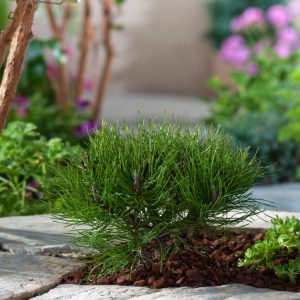
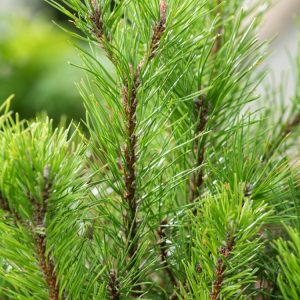
The foliage of Pinus strobus ‘Radiata’ is very attractive. It has soft, flexible needles, which grow in bundles of five. Their colour is a lovely blue-green, offering great contrast in the landscape. Unlike many pines, these needles feel gentle to the touch. Young plants are often rounded. As they mature, they become a broad, irregular pyramid, adding character. Thus, it gives consistent visual appeal all year.
This adaptable conifer suits many garden uses. It works well as a standalone specimen in a rockery, offering a strong focal point. Its compact size also makes it ideal for smaller urban gardens or large containers. Pinus strobus ‘Radiata’ fits effectively within mixed borders, adding evergreen structure. Furthermore, like other conifers, it provides valuable year-round shelter for small birds and insects. This makes it a beneficial plant for garden wildlife and biodiversity.
Pinus strobus ‘Radiata’ needs little pruning to keep its shape. It grows into an appealing form naturally. Any pruning typically means removing dead, damaged, or crossing branches. This preserves plant health. Light shaping can happen in late winter or early spring before new growth starts. This helps the plant keep its compact habit. Hence, it is an easy plant to care for.
Very hardy. Tolerates temperatures typical of a continental winter.
Ensure regular watering during its first year to establish roots, especially in dry spells. Once established, Pinus strobus 'Radiata' is relatively drought-tolerant. Generally, it does not require heavy feeding, but a balanced, slow-release fertiliser can be applied in spring if growth appears sluggish or the soil is poor. Plant in well-drained soil, amending heavy clay with organic matter and grit. Choose a site with full sun to partial sun for optimal growth and foliage colour. Protect from harsh, drying winds when young. Minimal pruning is needed; remove any dead, diseased, or crossing branches in late winter or early spring. Light shaping can be done to maintain its compact form. It is generally robust, but monitor for common conifer pests and address promptly if observed. Ensure good air circulation to prevent fungal issues.