£4.84 – £7.20Price range: £4.84 through £7.20
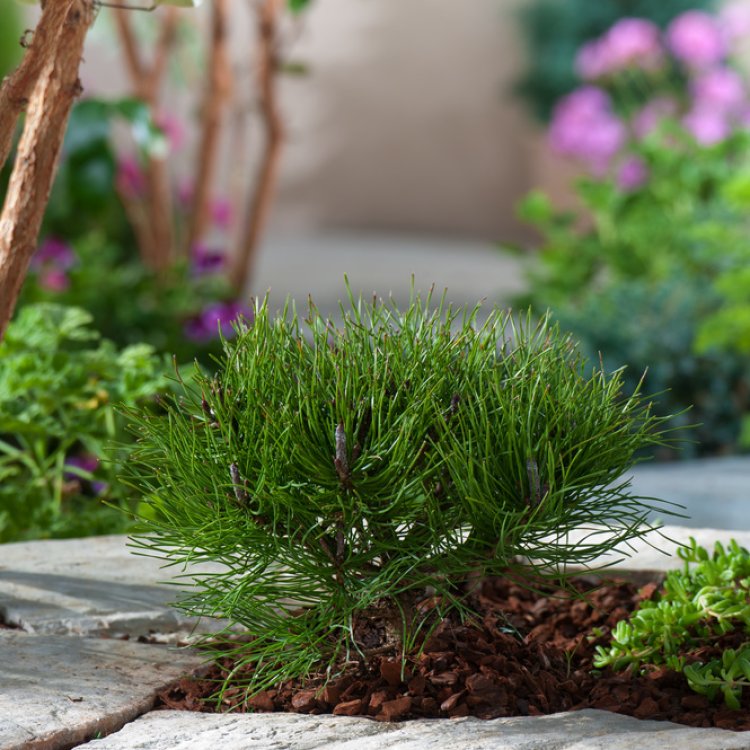
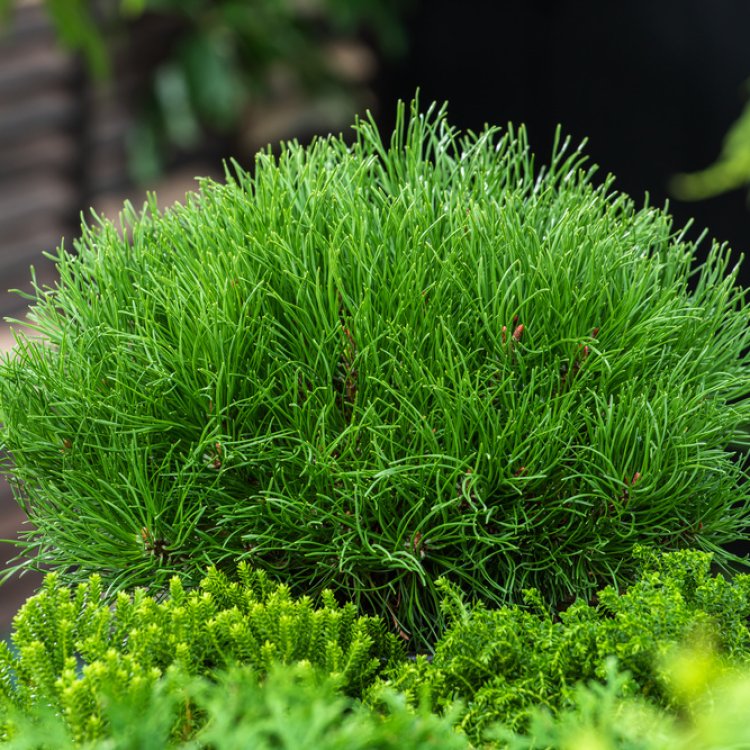
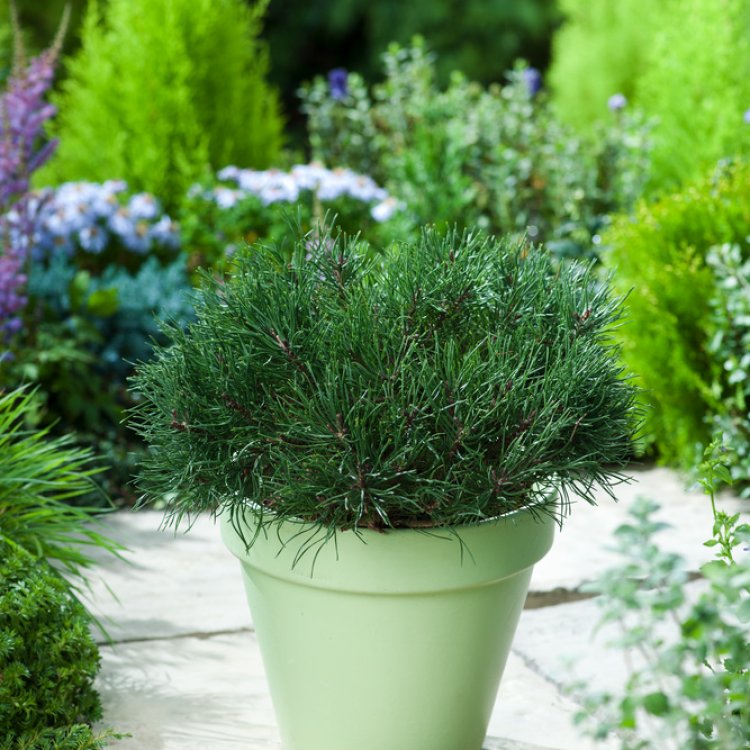
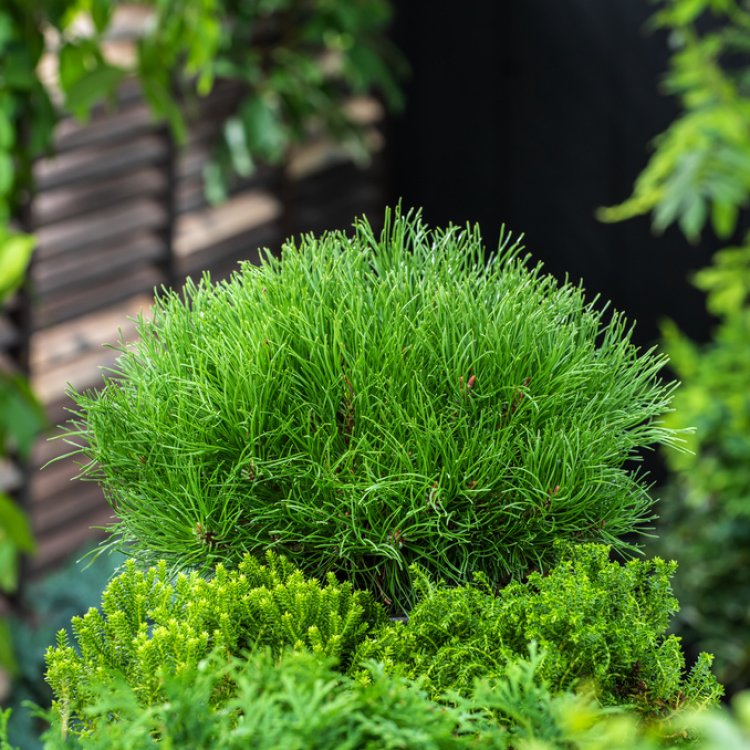
Pinus mugo pumilio, the Dwarf Mountain Pine, is a compact, hardy evergreen conifer. It provides year-round interest with its dense, spreading habit and dark green needles. Perfect for rockeries, containers, and borders, this robust plant offers superb garden structure.
45 in stock
Discover Pinus mugo pumilio, the versatile Dwarf Mountain Pine, a compact evergreen conifer bringing year-round texture and structure to UK gardens with its neat, spreading form.
Pinus mugo pumilio is a superb choice for various garden settings, providing enduring beauty and ease of care. This hardy, low-growing conifer offers a dense, mounding habit, making it perfect for smaller spaces or as an elegant ground cover. Its rich green foliage ensures visual interest throughout all seasons, whilst its adaptability to different conditions makes it a reliable addition for many gardeners across the UK. It consistently delivers striking appeal with minimal fuss.
Pinus mugo pumilio comes from the mountainous parts of Europe. It grows well even in tough, exposed places. The name ‘Pinus’ is Latin for pine, showing it is a conifer. Also, ‘mugo’ comes from the Mugone region in Italy where this type is common. Lastly, ‘pumilio’ means ‘dwarf’ in Latin, which fits its short, compact size.
Pinus mugo pumilio displays stiff, short, dark green needles. These needles grow in pairs along its woody stems. They keep their vibrant colour all year, adding constant appeal. Although this plant forms small, brown cones in autumn, people value it mainly for its evergreen look. Its dense shape is also very pleasing. Moreover, the aromatic needles release a fresh pine scent, especially if you gently brush past them.
Pinus mugo pumilio offers great garden uses due to its compact shape. It works well in rockeries and alpine gardens. Its hardy nature lets it mix easily with stones. Gardeners often place it at border fronts too, making a strong evergreen base. As it is small, it fits perfectly in patio containers. This adds good interest to urban spots. Also, its spreading form makes it a fine choice for ground cover on slopes.
Generally, Pinus mugo pumilio needs very little pruning. This is a low-maintenance plant. However, if you wish to maintain a specific size or shape, you can lightly prune it. The best time to do this is in late winter or early spring, before new growth begins. Always remember to remove only the tips of the candles (new shoots) to encourage a denser habit, rather than cutting into older wood. This method helps the plant stay healthy and look its best.
Pinus mugo pumilio offers valuable shelter for garden wildlife. Its dense foliage provides a safe haven for small birds and insects, especially during the colder months or harsh weather. While conifers do not produce nectar-rich flowers for bees or butterflies, the plant’s cones can provide a food source for some bird species as they mature. Thus, it adds to the overall biodiversity of your outdoor space, creating a welcoming environment for various creatures.
Hardy in the harshest UK conditions and below. Suitable for mountain regions.
Pinus mugo pumilio is a low-maintenance plant, thriving with minimal intervention once established. Plant it in well-drained soil and a sunny to partially sunny location. Water newly planted specimens regularly during their first year to aid root establishment. After this, it generally tolerates drier conditions. Mulch around the base with organic matter to help retain soil moisture and suppress weeds. Pruning is seldom required; however, if you wish to maintain a more compact size or specific shape, lightly trim the 'candles' (new shoots) in late winter or early spring before they fully extend. Avoid cutting into old wood, as this can hinder regrowth.