£3.10 – £3.80Price range: £3.10 through £3.80
Physocarpus opulifolius ‘Dart’s Gold’ is a vibrant, easy-to-grow deciduous shrub. Its brilliant golden-yellow foliage provides outstanding seasonal interest, complemented by delicate summer flowers and red autumn berries, perfect for UK gardens.
340 in stock
Discover Physocarpus opulifolius ‘Dart’s Gold’, a stunning deciduous shrub famed for its brilliant golden foliage, bringing year-round vibrancy to any UK garden.
Physocarpus opulifolius ‘Dart’s Gold’, commonly known as Ninebark, is a truly remarkable and versatile shrub. Gardeners across the UK cherish it. This cultivar offers an exceptional splash of colour, making it a standout feature in diverse garden designs. Its striking appearance and robust nature ensure it remains a popular choice for both novice and experienced gardeners seeking reliable interest.
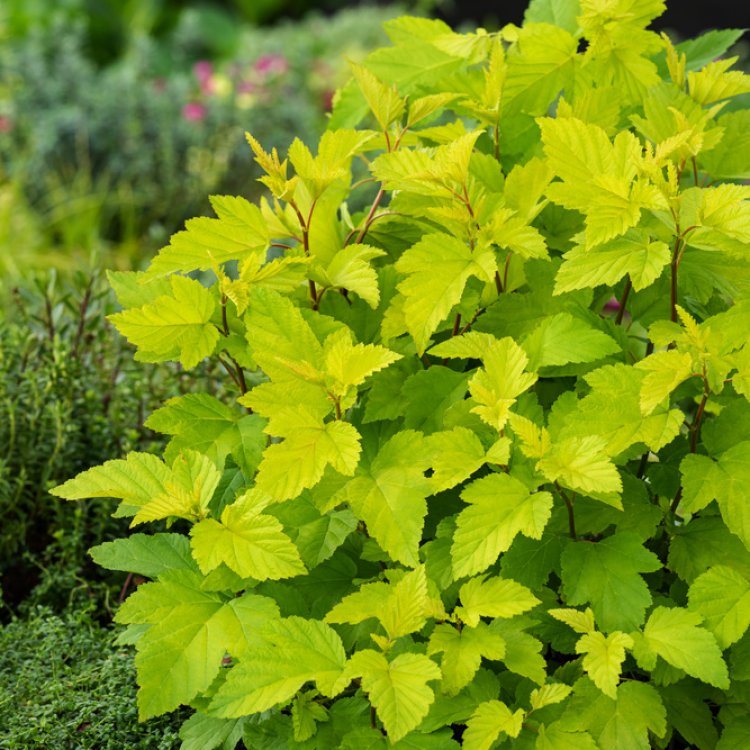
Physocarpus opulifolius ‘Dart’s Gold’ is a specific cultivar of the native North American Ninebark. This selection was developed for its outstanding bright yellow foliage. It provides a sunny disposition even on cloudy days. The name ‘Dart’s Gold’ reflects its luminous, golden-yellow leaves.
This resilient shrub belongs to the Rosaceae family. Consequently, it shares robust characteristics and adaptability. Its naturally dense, arching habit creates a soft, mounded shape, ideal for various garden roles.
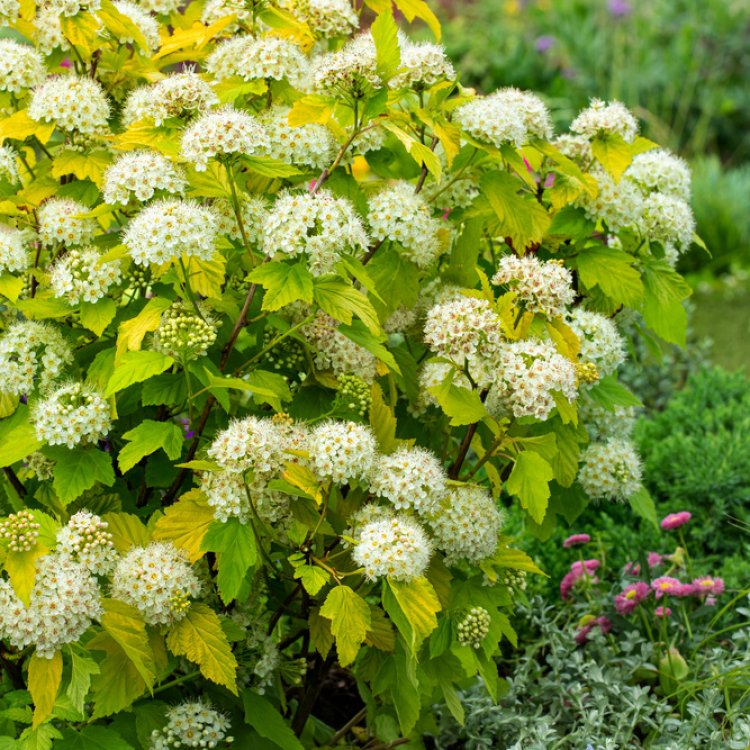
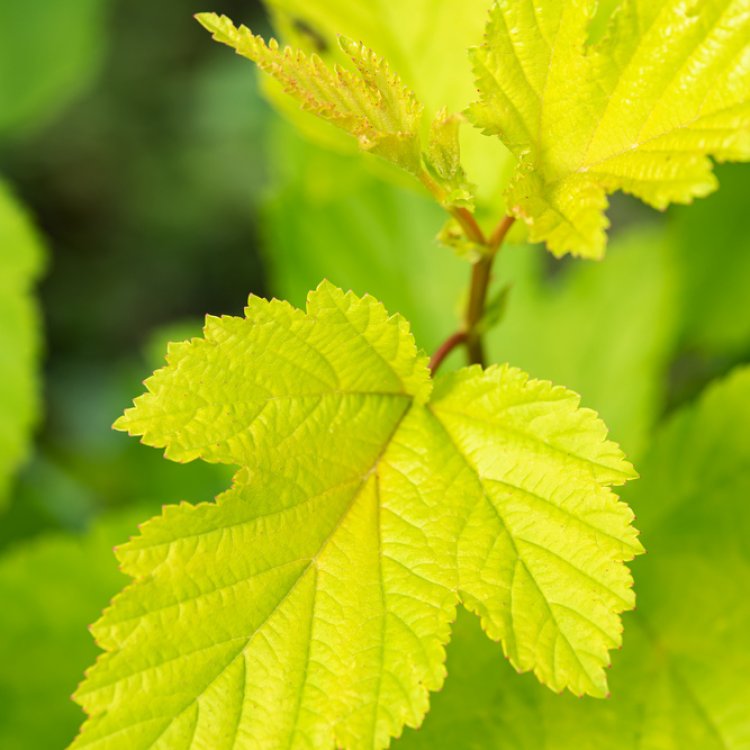
The most captivating feature of Physocarpus opulifolius ‘Dart’s Gold’ is undoubtedly its foliage. The deeply lobed leaves emerge in spring with a brilliant golden hue. This colour intensifies with good sun exposure, maintaining brightness through summer. As autumn approaches, the leaves may take on attractive bronze or orange tints before falling.
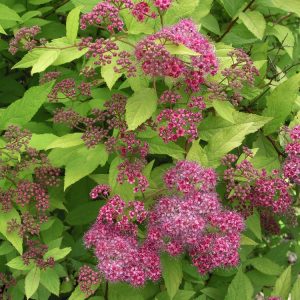
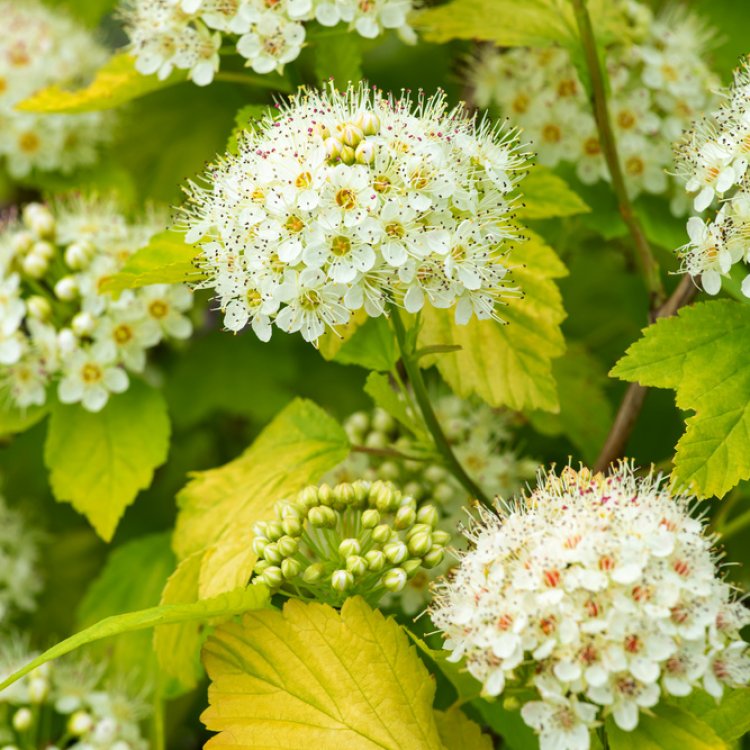
In early summer, typically around June and July, clusters of delicate white or pale pink flowers appear. These are small yet charming, contrasting beautifully with the bright leaves. Furthermore, the flowers develop into small, shiny red berries in late summer and autumn, extending visual interest into cooler months.
Gardeners value Physocarpus opulifolius ‘Dart’s Gold’ for its adaptability and significant visual impact. You can plant it as a vibrant specimen shrub, drawing the eye with its radiant colour. It also works wonderfully within mixed borders, providing a bright counterpoint to plants with darker foliage.
Many people also use this Ninebark for informal hedging. This creates an attractive and robust screen. Regular pruning helps maintain a desirable shape and size. Typically, gardeners prune it after flowering to remove old wood and encourage fresh, colourful growth. This ensures a continuous display of its best foliage.
Beyond its aesthetic appeal, Physocarpus opulifolius ‘Dart’s Gold’ offers valuable support for local wildlife. The summer flowers attract various pollinators, including bees and butterflies. This contributes to garden biodiversity. Later in the season, the developing red berries provide an important food source for birds as winter approaches. Therefore, planting this shrub actively helps create a more vibrant and ecologically friendly garden environment.
Hardy in the harshest UK conditions and below. Suitable for mountain regions.
Water regularly until established, especially during dry periods. Prune after flowering to maintain shape and encourage new, vibrant growth. Generally low maintenance once mature and tolerant of various conditions.
This plant is deciduous so it will lose all of its leaves in the autumn and get fresh new foliage each spring.