£10.55 – £12.91Price range: £10.55 through £12.91
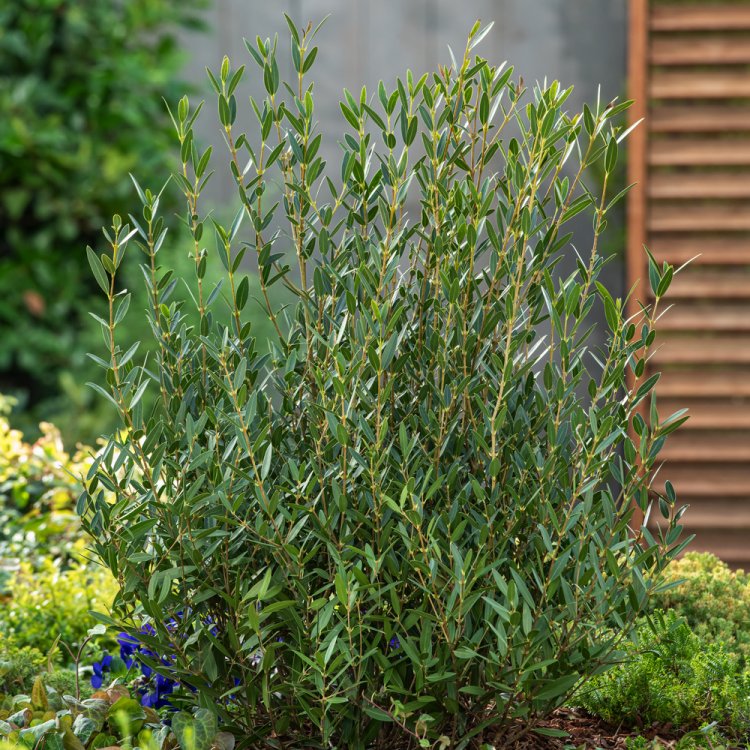
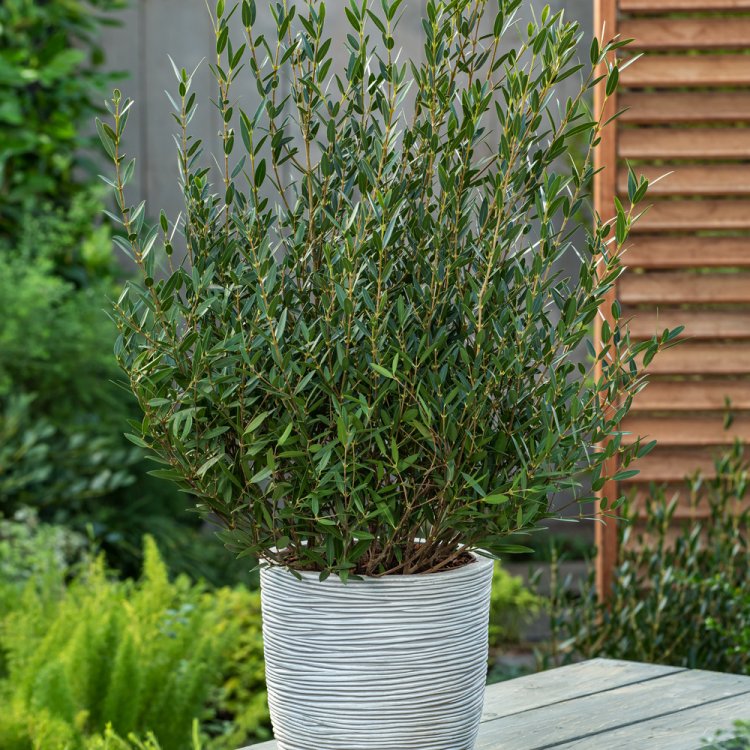
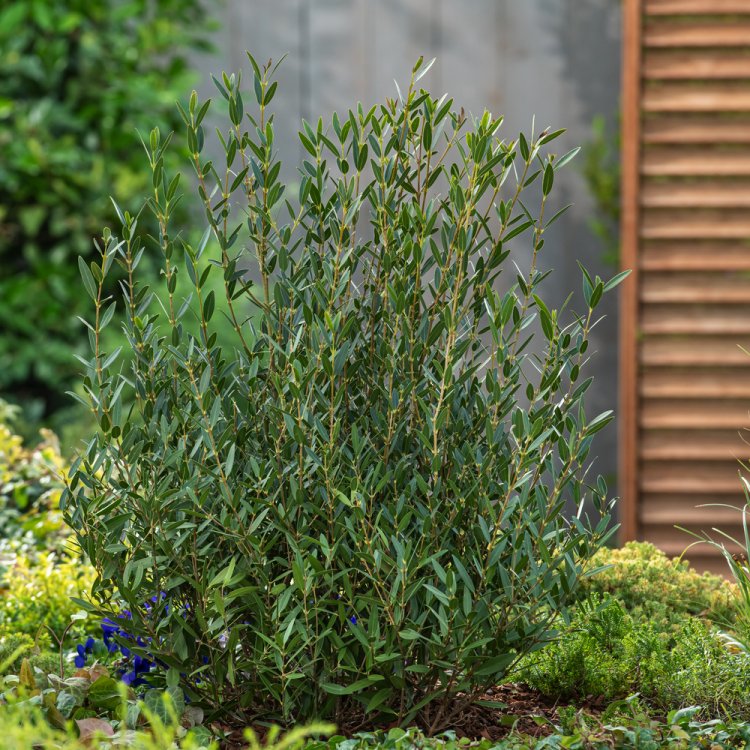
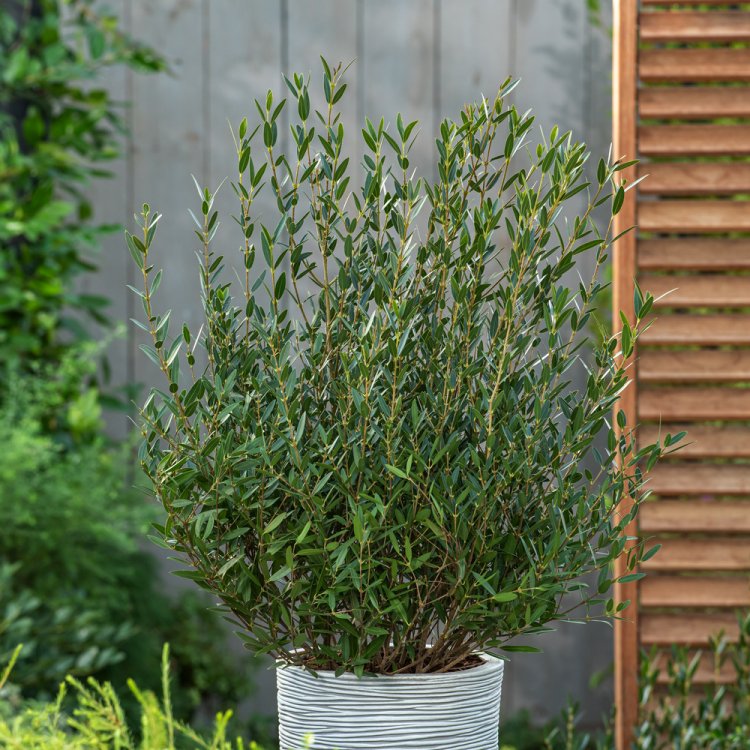
Phillyrea angustifolia, the Narrow-leaved Phillyrea, is an elegant evergreen shrub. It offers year-round dark green foliage, fragrant spring flowers for pollinators, and berries for birds. Ideal for hedges or as a resilient specimen, bringing Mediterranean style to your garden.
607 in stock
Discover Phillyrea angustifolia, an elegant evergreen shrub providing year-round beauty and structure, perfect for a resilient and stylish UK garden.
Phillyrea angustifolia, often known as Narrow-leaved Phillyrea, is a superb evergreen shrub that brings a touch of Mediterranean charm to any UK garden. This robust plant offers dense, refined foliage throughout the year. It truly thrives in a variety of conditions, making it an excellent choice for gardeners seeking both beauty and resilience. Its subtle flowers and berries also add seasonal interest, making it a valuable addition.
Phillyrea angustifolia is a distinguished evergreen shrub hailing from the sunny Mediterranean regions. Its name, “Phillyrea”, comes from the Greek word ‘philyra’, referring to the lime tree, due to some superficial leaf resemblance. The specific epithet ‘angustifolia’ directly translates to ‘narrow-leaved’, aptly describing its elegant, slender foliage. This plant brings an air of classic European landscapes to British gardens. It develops a neat, compact habit over time.
The striking feature of Phillyrea angustifolia is its abundant, narrow, dark green leaves. These are glossy and leathery, providing a sophisticated backdrop in any planting scheme. Furthermore, the foliage remains vibrant throughout the seasons, ensuring continuous visual appeal. In late spring to early summer, small, fragrant, greenish-white flowers appear. These subtle blooms are a magnet for bees and other beneficial insects. Later in the year, small, round, blue-black berries form. These berries provide a vital food source for many species of garden birds, enhancing your garden’s biodiversity.
Phillyrea angustifolia is incredibly versatile in the garden. For example, gardeners often use it to create formal hedges, as its dense growth and tolerance to pruning make it an ideal candidate. It also works beautifully as a standalone specimen shrub. Furthermore, you can shape it into various topiary forms, adding a touch of artistry to your outdoor space. Pruning is best carried out after flowering to maintain its desired shape and size. This plant naturally creates a refined structure in mixed borders or informal settings. Its adaptability also makes it suitable for coastal gardens, tolerating salt spray and strong winds. Therefore, it is a truly robust and rewarding plant for diverse garden environments.
The presence of Phillyrea angustifolia greatly benefits local wildlife. Its unassuming spring flowers offer valuable nectar and pollen to bees and other pollinators. This activity supports the crucial insect populations in your garden. As autumn arrives, the plant’s small, dark berries ripen, becoming a favoured snack for many bird species. Consequently, planting Phillyrea angustifolia helps to establish a thriving, biodiverse habitat in your outdoor space, attracting beneficial creatures throughout the year. This makes it an excellent choice for wildlife-conscious gardeners.
Hardy in all of the UK and northern Europe. Suitable for exposed sites.
Water regularly during the first year for establishment, then it becomes drought-tolerant. Apply a balanced, slow-release fertiliser in spring if needed. Prune after flowering to maintain shape or for hedging; it tolerates hard pruning. Generally resistant to pests and diseases, requiring minimal winter protection in most UK gardens.