£30.26 – £39.69Price range: £30.26 through £39.69
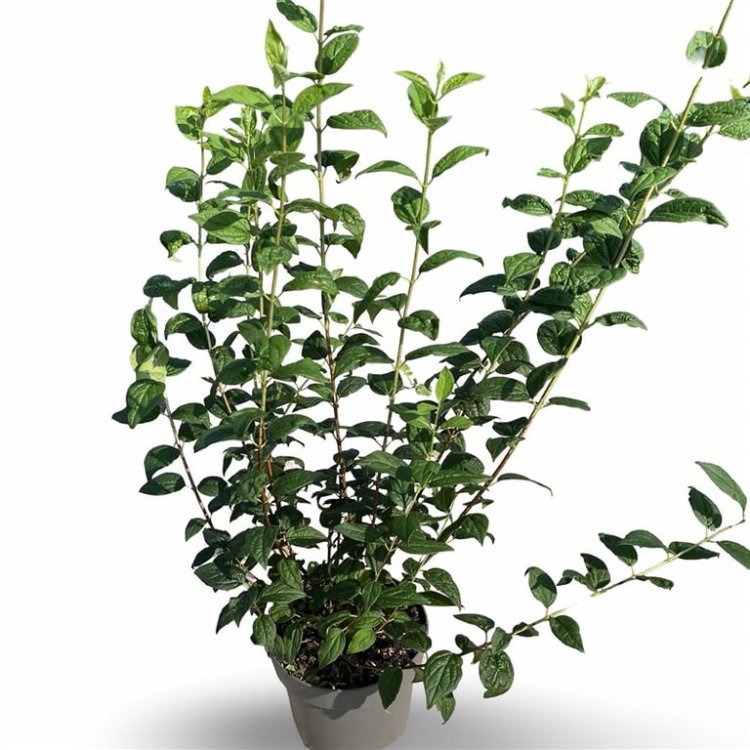
Philadelphus ‘Snowbelle’ is a beautiful, fragrant mock orange, showering UK gardens with abundant pure white double flowers from late spring to early summer. This compact shrub attracts pollinators and offers delightful charm.
49 in stock
Discover Philadelphus ‘Snowbelle’, a beautiful mock orange known for its abundant, fragrant white flowers, bringing elegance to any UK garden.
This cherished deciduous shrub, Philadelphus ‘Snowbelle’, delights gardeners across the UK with its captivating summer display. As a true garden gem, it offers a brilliant show of pure white, double blooms. It thrives in various garden settings, making it a versatile choice for many gardeners seeking a classic, yet striking, plant. Its delightful scent furthermore enriches the outdoor space, drawing attention and admiration.
Key Features of Philadelphus ‘Snowbelle’
The genus Philadelphus, often called Mock Orange, includes many species and cultivars. ‘Snowbelle’ is a distinguished cultivar. Breeders selected it for its particularly showy and aromatic flowers. The ‘Snowbelle’ name clearly references its characteristic beauty. It evokes images of pristine white, bell-shaped flowers. This plant brings a touch of pure beauty to garden spaces. Its elegant form develops into a rounded shrub.
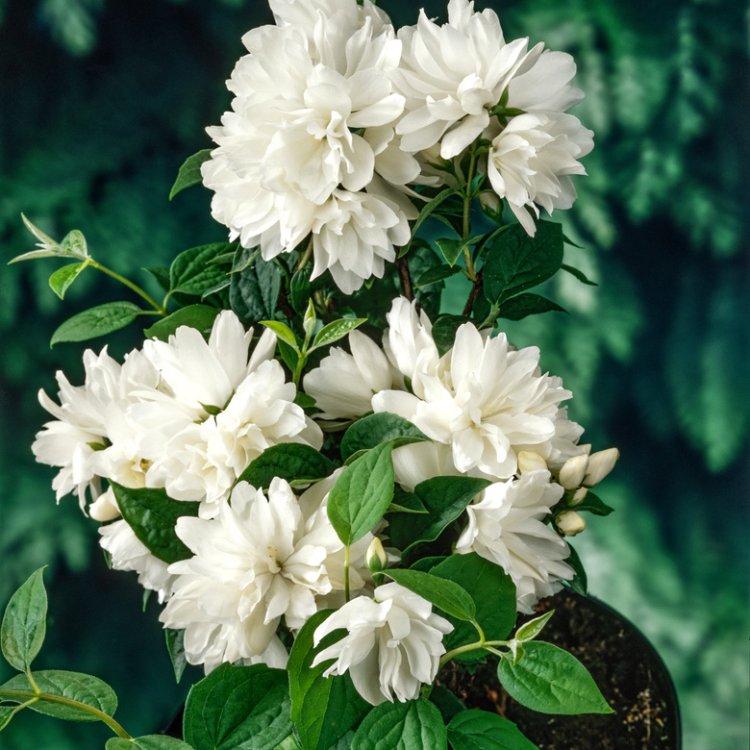
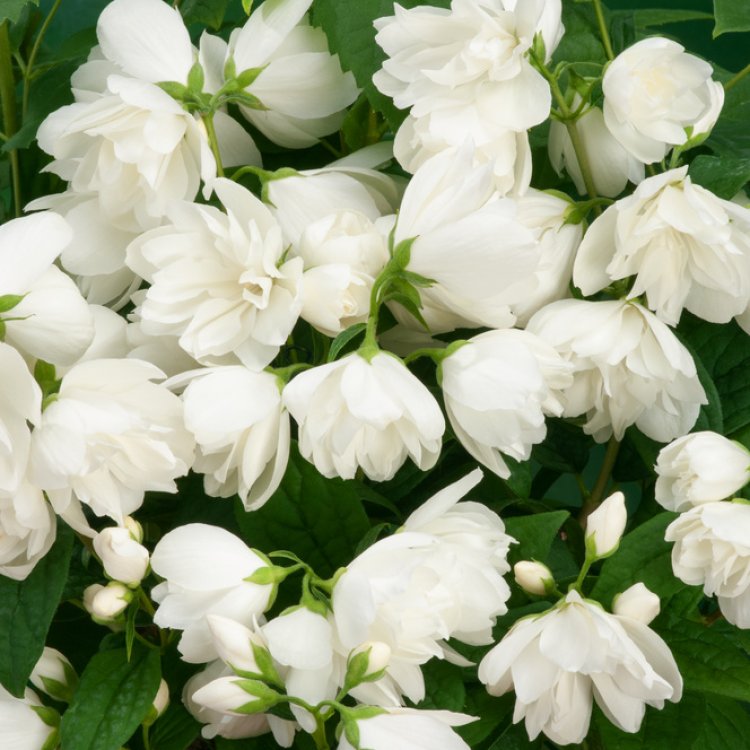
Philadelphus ‘Snowbelle’ truly shines during late spring and early summer. It produces a prolific display of double, snow-white flowers. These blooms are deeply fragrant. They release a sweet, citrus-like scent. This fragrance gently fills the air on warm days.
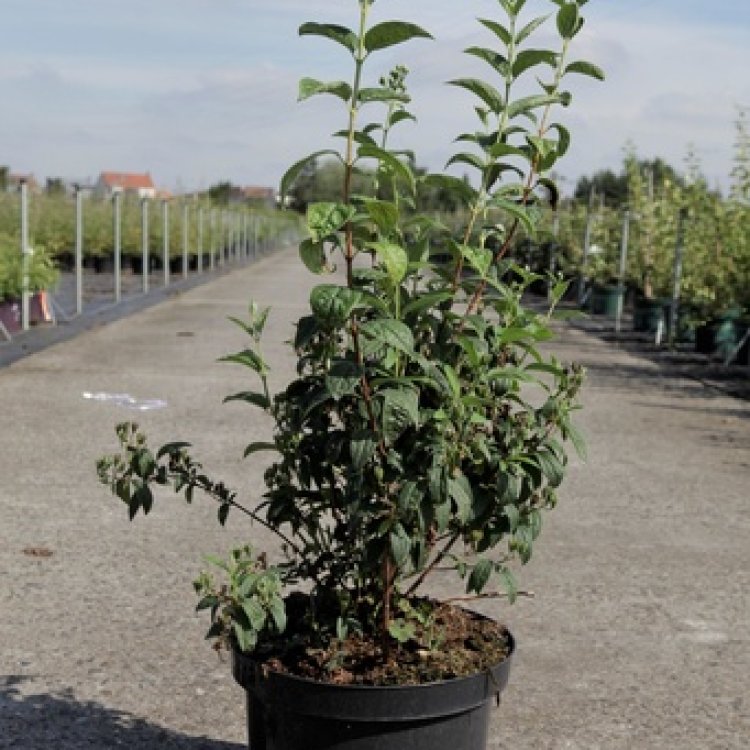
The dense green foliage provides a lovely backdrop. The leaves are ovate and fresh. They remain attractive throughout the growing season. As a result, the shrub offers visual appeal even when not in flower. This ensures year-round garden interest.
Gardeners choose this Mock Orange for many reasons. It makes an excellent specimen plant. People often place it where its fragrance can be fully appreciated. For instance, plant it near a patio or pathway. It also works well in mixed borders. Its upright habit creates structure.
Furthermore, it can form an informal flowering hedge. This adds privacy and charm. Beyond its beauty, this shrub is a friend to wildlife. Its nectar-rich flowers are a magnet for bees and butterflies. They visit frequently, helping to support local ecosystems.
To ensure healthy growth and abundant flowering, this Mock Orange benefits from regular pruning. Gardeners should prune this shrub after its flowering period. This typically occurs in mid-to-late summer. Remove any spent flower stems. Also, cut back old, woody growth to the ground. This practice encourages new, vigorous shoots. These new shoots will bear next year’s blooms. Such routine care keeps the plant shapely and floriferous.
Hardy in all of the UK and northern Europe. Suitable for exposed sites.
Water thoroughly during dry spells, especially during the first year of establishment. Apply a balanced, slow-release fertiliser in early spring to encourage vigorous growth and prolific flowering. Prune immediately after flowering in mid-to-late summer to remove spent blooms and any old, woody stems, promoting new growth for next year's display.
This plant is deciduous so it will lose all of its leaves in the autumn and get fresh new foliage each spring.