£5.40 – £7.76Price range: £5.40 through £7.76
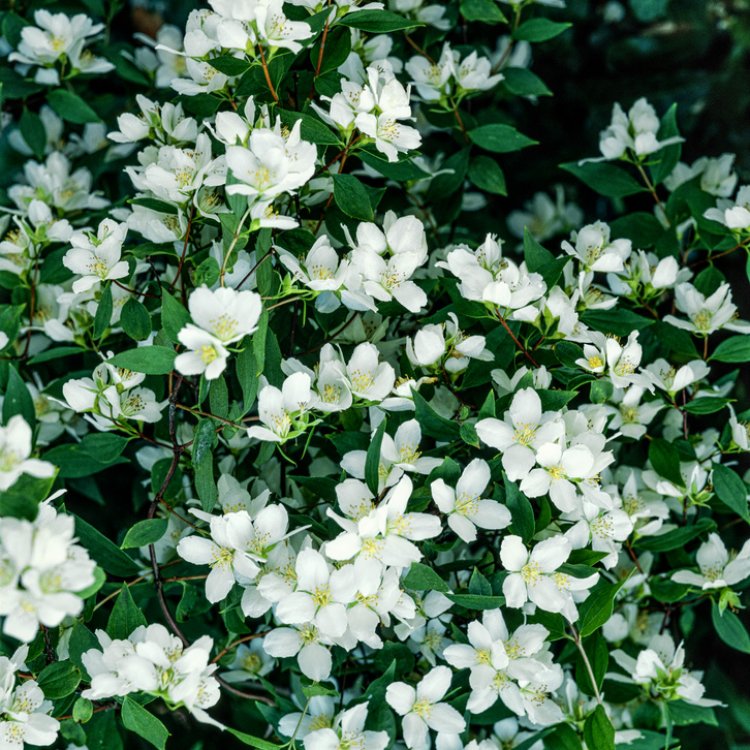
Philadelphus ‘Lemoinei’ is a charming Mock Orange, renowned for its profusion of highly fragrant, pure white blossoms. This deciduous shrub flowers from June to July, attracting bees with its sweet scent and adding elegant beauty to UK gardens.
57 in stock
Philadelphus ‘Lemoinei’ is a classic garden shrub, celebrated for its abundance of pure white, fragrant blossoms that enchant UK gardens.
This beautiful deciduous shrub brings delightful charm to any outdoor space during late spring and early summer. Known commonly as Mock Orange, Philadelphus ‘Lemoinei’ produces a stunning display of flowers, releasing a sweet perfume that drifts through the air. Its elegant, upright habit and lush green foliage provide year-round interest, making it a valuable addition to many garden styles. Furthermore, its ease of care ensures it remains a firm favourite among gardeners.
Philadelphus ‘Lemoinei’ truly earns its place in the British garden. This distinguished cultivar boasts an impressive pedigree, developed by the esteemed French nurseryman Victor Lemoine. It arrived as a remarkable improvement, offering more compact growth and an even more generous floral display. Consequently, this plant became a beloved choice for its beauty and adaptability.
From June to July, countless cup-shaped, pure white flowers emerge, often appearing in clusters along its branches. Each bloom measures about 2-3 cm across, making a significant visual impact. Moreover, their intensely sweet, orange-blossom fragrance fills the surrounding air, creating an inviting sensory experience. This delightful scent is particularly noticeable on warm, still evenings.
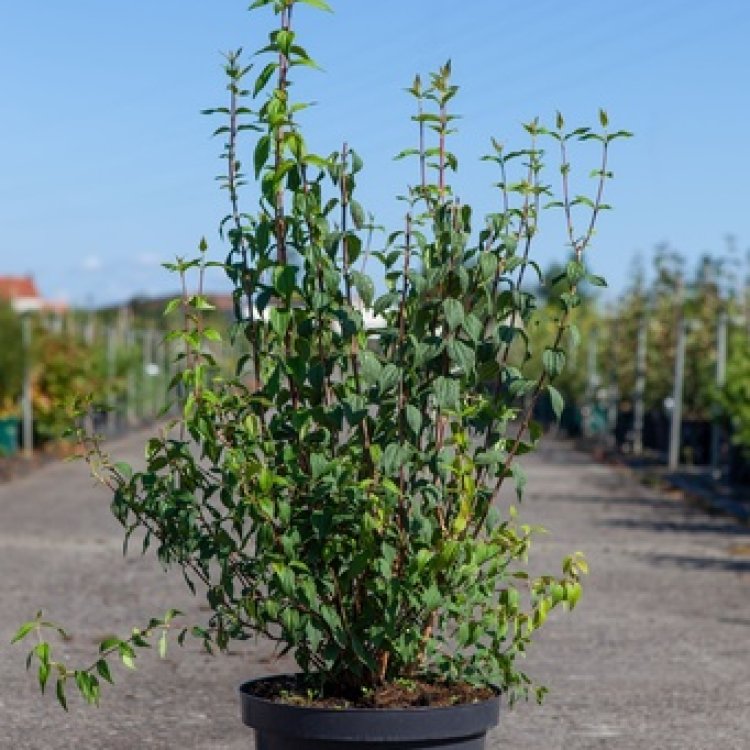
The foliage of Philadelphus ‘Lemoinei’ adds further appeal. Its oval leaves are a vibrant mid-green, creating a fresh, verdant backdrop for the pristine white flowers. As a deciduous shrub, its leaves provide lush colour throughout the growing season. Then, in autumn, they gently fall, revealing the plant’s structural framework. This cycle underlines its seasonal charm.
This Mock Orange cultivar flourishes in a range of garden settings. It makes an excellent specimen plant, standing out with its elegant form. Furthermore, it works wonderfully when incorporated into mixed borders, adding height and structure. Gardeners often use it to create an informal hedge or screen, where its dense growth provides privacy and visual appeal. Philadelphus ‘Lemoinei’ also suits cottage gardens, enhancing their traditional charm.
Regarding wildlife, this plant is a genuine friend to nature. Its fragrant flowers are a magnet for various pollinators, including bees and butterflies. They eagerly visit the blooms, seeking nectar and pollen. Therefore, planting Philadelphus ‘Lemoinei’ helps support local insect populations, contributing to garden biodiversity. This makes your garden a lively habitat.
Pruning is straightforward and best done after the flowering period concludes. Removing older, less productive stems at the base encourages vigorous new growth and more abundant flowers the following year. Simply cut back about a third of the oldest stems to the ground. This keeps the shrub healthy and ensures a continuous display of its stunning white blooms. Regular pruning maintains a desirable shape.
Very hardy. Tolerates temperatures typical of a continental winter.
Water regularly during its first year, especially during dry spells, to help establish its root system. Once established, it is relatively drought tolerant, but will benefit from watering during prolonged dry periods.
Apply a balanced granular fertiliser around the base in early spring to encourage healthy growth and abundant flowering.
Prune immediately after flowering in late summer. Remove about a third of the oldest stems right down to the base to encourage new, vigorous growth and prevent the shrub from becoming too dense or leggy. Remove any dead, damaged, or weak growth.
Generally trouble-free. Keep an eye out for aphids or powdery mildew, treating with appropriate organic solutions if necessary.
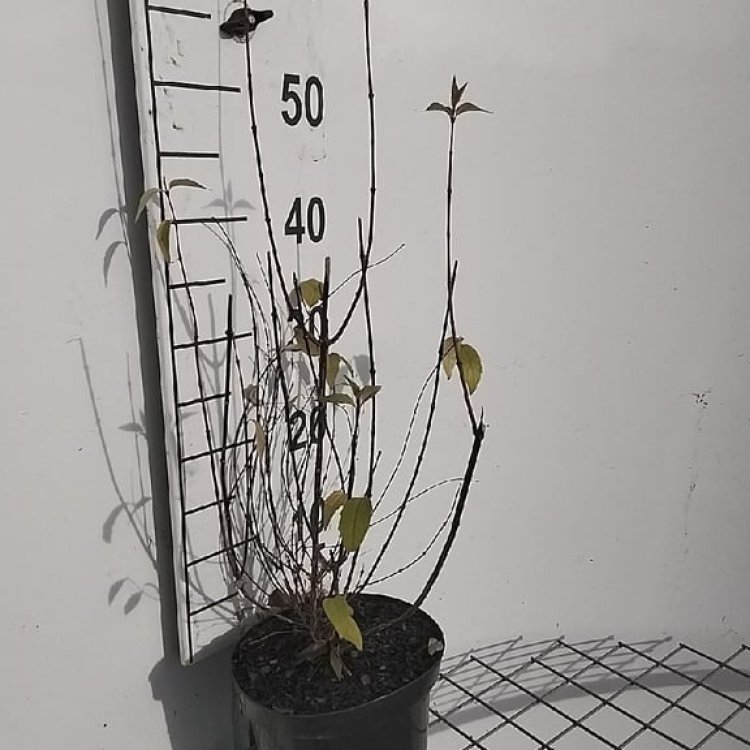
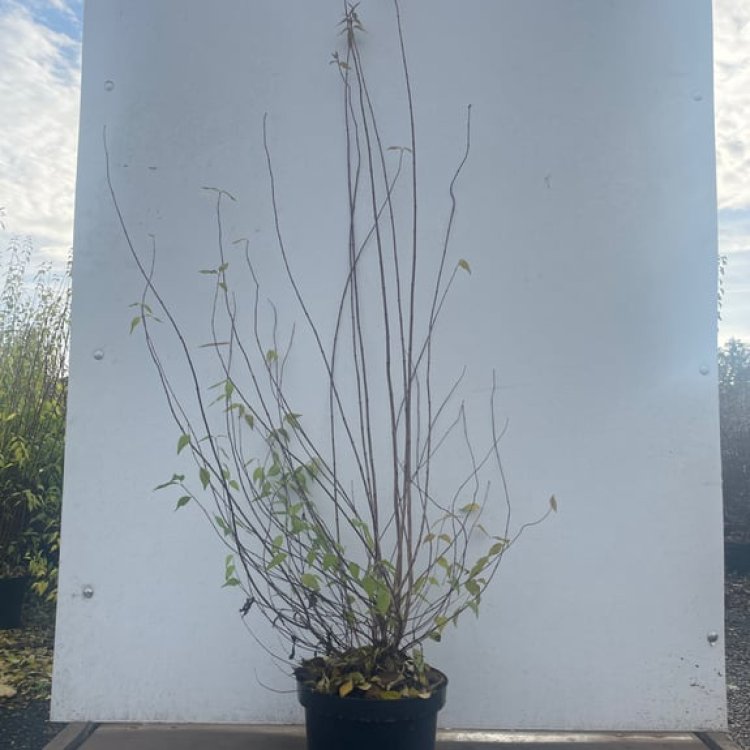
This plant is deciduous so it will lose all of its leaves in the autumn and get fresh new foliage each spring.