£3.02 – £4.43Price range: £3.02 through £4.43
Persicaria amphibia, also known as Amphibious Bistort, is a versatile native perennial. It thrives in ponds or damp soil, producing charming pink flower spikes from June to September. An excellent choice for wildlife-friendly gardens, attracting bees and butterflies.
294 in stock
Discover Persicaria amphibia, a remarkably adaptable native plant, perfect for bringing natural beauty and vital ecological support to UK garden ponds and boggy areas.
Persicaria amphibia, commonly known as Amphibious Bistort or Amphibious Knotweed, is a truly fascinating herbaceous perennial. This native plant thrives in diverse environments, readily adapting its form whether growing submerged in water, floating on the surface, or standing upright in damp soil. Its unique ability to live comfortably in both aquatic and terrestrial settings makes it an exceptional choice for naturalistic garden designs, offering year-round interest and crucial habitat for local wildlife. This robust plant adds a charming touch with its distinctive foliage and cheerful summer blooms.
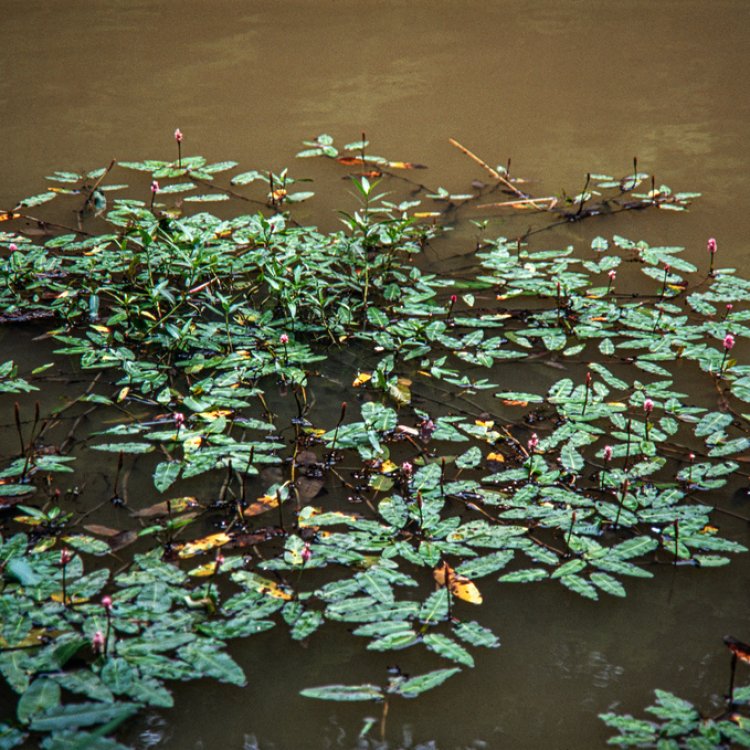
The name Persicaria amphibia perfectly describes this plant’s remarkable nature. ‘Amphibia’ means ‘living a double life’, referring to its incredible adaptability. This plant can transition between aquatic and terrestrial forms. When growing in water, its leaves float on the surface, often elongated and glossy. However, on land, the leaves are typically narrower, slightly hairy, and held upright. This unique characteristic adds an intriguing dynamic to any water feature or bog garden, showing the plant’s clever response to its surroundings.
From June through to September, Persicaria amphibia graces the garden with charming pink flower spikes. These dense, cylindrical clusters emerge above the water or foliage, creating a delightful display. The blooms are not only visually appealing but also provide a welcome nectar source for various pollinating insects. Its vibrant floral display, combined with its varying leaf forms, ensures that Amphibious Bistort remains an eye-catching feature throughout the warmer months. As such, it adds both beauty and ecological value.
Persicaria amphibia is an excellent plant for enriching garden ponds and wetland areas. Its flowers are a magnet for bees, butterflies, and other beneficial insects, actively supporting local biodiversity. The submerged and floating foliage also provides shelter and breeding grounds for aquatic invertebrates and amphibians. When planning your pond margin or bog garden, consider the vigorous nature of Amphibious Knotweed. While it creates a beautiful, natural look, regular management might be needed to contain its spread in smaller spaces. This helps maintain a balanced pond ecosystem.
Hardy in the harshest UK conditions and below. Suitable for mountain regions.
Persicaria amphibia is a low-maintenance plant. It requires consistently moist to wet conditions to thrive, either in shallow water or boggy soil. While generally robust, its vigorous growth may necessitate occasional thinning or management to control spread in smaller pond environments.