£9.47 – £10.17Price range: £9.47 through £10.17
Parthenocissus quinquefolia, or Virginia Creeper, is a vigorous climber offering spectacular crimson and purple autumn foliage. This adaptable plant rapidly covers structures, providing beautiful seasonal colour and valuable wildlife habitat in UK gardens.
252 in stock
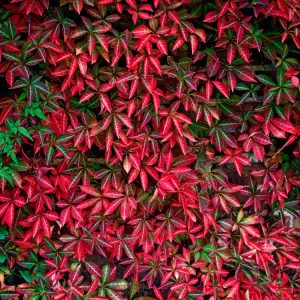
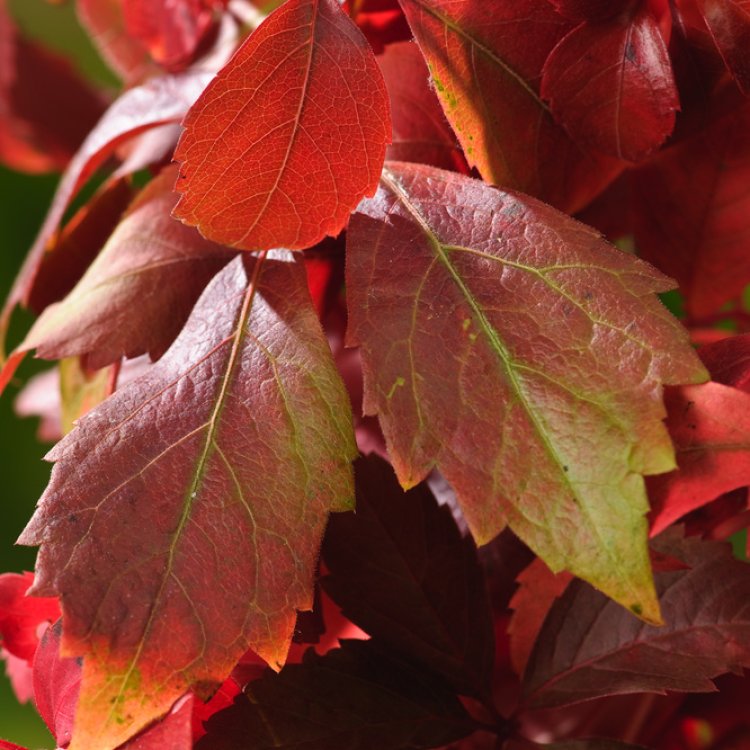
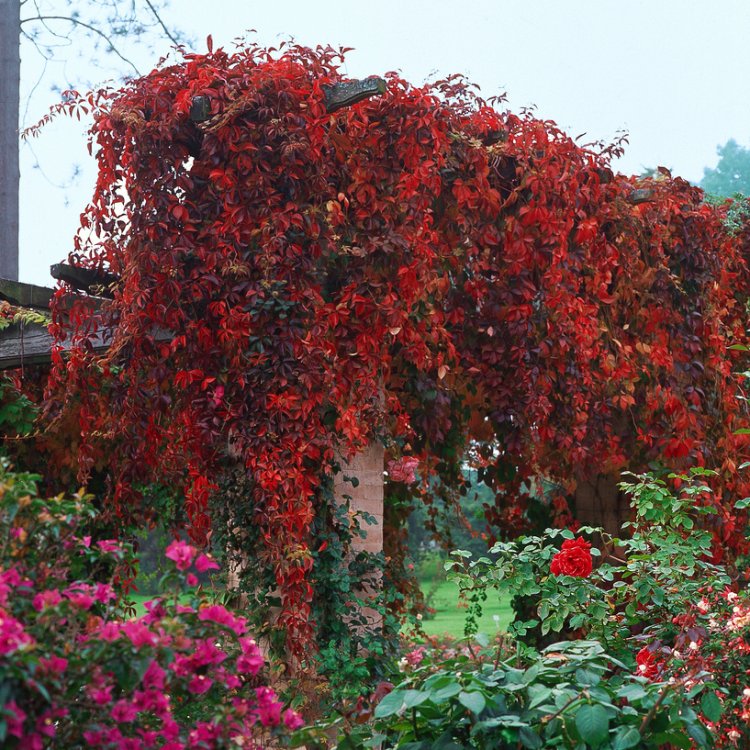
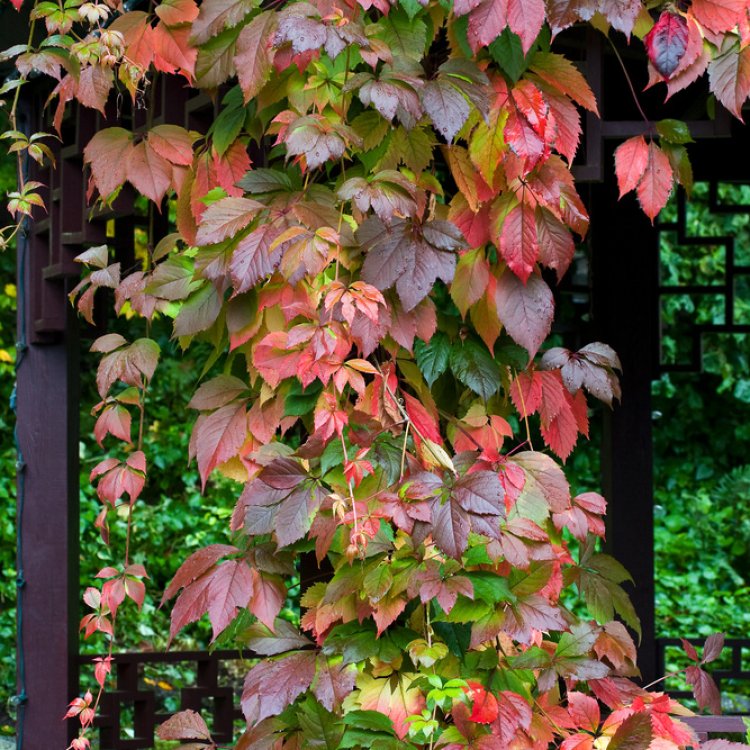
Parthenocissus quinquefolia, also known as Virginia Creeper, is a vigorous, deciduous climber renowned for its spectacular crimson and purple autumn foliage, bringing dramatic seasonal colour.
Discover the enchanting Parthenocissus quinquefolia, a classic garden favourite in the UK. This robust plant transforms walls and fences into a breathtaking display of colour each autumn. Virginia Creeper is celebrated for its rapid growth and self-clinging nature. It thrives in various conditions, making it a versatile choice for many gardens. Initially, its foliage is fresh green throughout spring and summer. Then, as the seasons turn, it reveals a truly stunning performance, captivating all who see it.
The name Parthenocissus quinquefolia has a fascinating origin. ‘Parthenocissus’ combines Greek words for ‘virgin’ and ‘ivy’, possibly referencing its native Virginia. The ‘quinquefolia’ part comes from Latin, meaning ‘five-leaved’, accurately describing its distinct palmate leaves. Here in the UK, we commonly know this plant as Virginia Creeper.
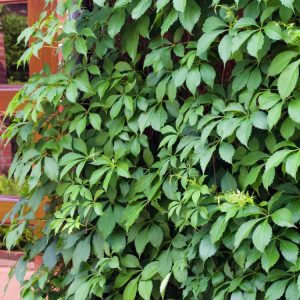
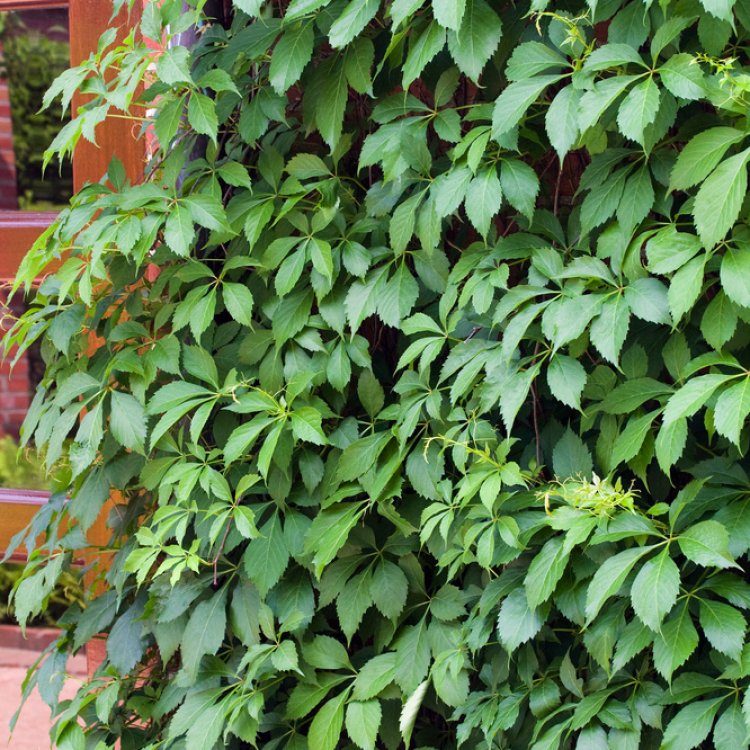
During spring and summer, this climber showcases lush green leaves. Each leaf divides into five leaflets. These leaves provide a dense, verdant cover. As days shorten and temperatures drop, a remarkable transformation occurs. The foliage shifts into brilliant shades of crimson, scarlet, and deep purple. This creates an unforgettable visual impact.
Although its flowers are small and inconspicuous, typically appearing in June and July, they later develop into dark blue-black berries. These berries are a welcome food source for various bird species, further enhancing the plant’s wildlife appeal.
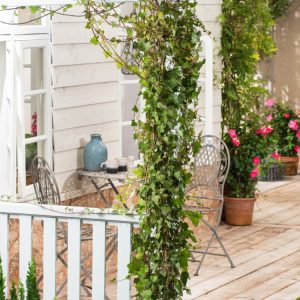
Virginia Creeper is an excellent choice for quickly covering large areas. Consider using it to adorn walls, fences, pergolas, or unsightly structures. Its tendrils possess adhesive pads, allowing it to cling without much assistance. Consequently, it creates a living tapestry. This plant offers valuable shelter and nesting sites for birds throughout the year. The berries, while attractive to wildlife, are mildly toxic to humans and pets, so always exercise caution.
To maintain its vigour and shape, Virginia Creeper benefits from regular pruning. You should ideally prune in late winter or early spring when the plant is dormant. Alternatively, a lighter trim in summer can manage growth and prevent it from encroaching on windows or gutters. This plant responds well to pruning, therefore staying within desired bounds is achievable.
Hardy in all of the UK and northern Europe. Suitable for exposed sites.
Watering: Water regularly during dry spells, especially during the first year after planting, to ensure strong establishment. Once established, Virginia Creeper is fairly drought tolerant.
Feeding: This plant generally does not require much feeding if planted in good quality garden soil. However, if you observe slow growth or poor foliage colour, apply a balanced general-purpose fertiliser in spring to give it a boost.
Pruning: Prune in late winter or early spring when the plant is dormant. This helps to control its size, maintain its shape, and remove any unwanted or straggly growth. A lighter trim can also be performed in summer to keep it in check, particularly to prevent it from encroaching on windows, gutters, or neighbouring plants.
Support: Although Parthenocissus quinquefolia is a self-clinging climber with adhesive pads, providing initial support or gently guiding young plants towards a wall or structure will help them establish their climb more effectively.
This plant is deciduous so it will lose all of its leaves in the autumn and get fresh new foliage each spring.