£9.40 – £10.12Price range: £9.40 through £10.12
Parthenocissus henryana, or Henry’s Virginia Creeper, is a deciduous climber cherished for its velvety, silver-veined foliage that turns stunning crimson in autumn. Perfect for walls and fences, it brings dramatic seasonal colour and vertical interest to UK gardens.
157 in stock
Discover Parthenocissus henryana, a captivating climbing plant renowned for its rich, velvety foliage and stunning seasonal colour that transforms British gardens.
Parthenocissus henryana, often known as Henry’s Virginia Creeper, is an exquisite choice for adding dramatic vertical interest to your outdoor space. This deciduous climber originates from central China, where it naturally graces woodlands. It is cherished for its deeply veined, palmate leaves, which undergo a magnificent transformation throughout the year.
Consequently, it delivers a dynamic display of colour from spring through to late autumn. This ensures it stands out in any garden setting.
This remarkable plant, Parthenocissus henryana, acquired its common name, Henry’s Virginia Creeper, to honour Augustine Henry. He was an Irish plant collector who discovered it in China. The genus name ‘Parthenocissus’ combines Greek words, meaning “virgin ivy.” This refers to its self-clinging habit.
This plant truly stands out due to its unique leaf patterns. It effortlessly ascends structures, making it a fantastic architectural element. Furthermore, its foliage changes create year-round visual appeal.
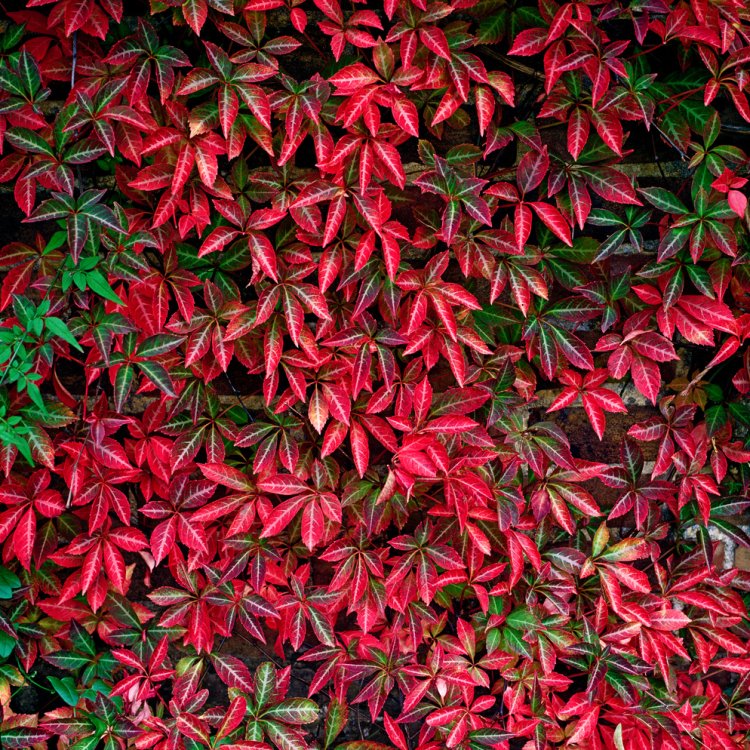
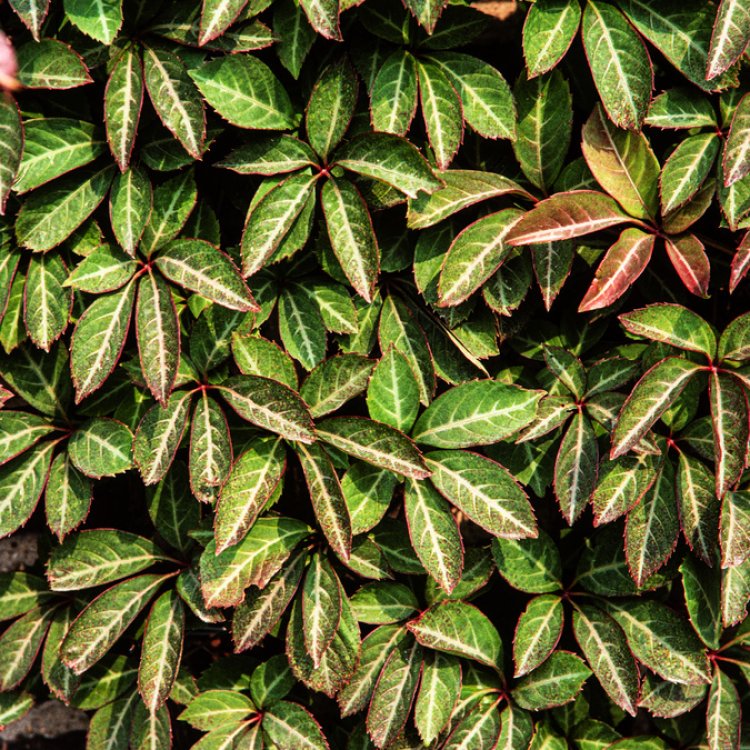
The leaves of Parthenocissus henryana are its most celebrated feature. Each palmate leaf consists of five distinct leaflets. They emerge in spring with a vibrant green hue, deeply veined with contrasting silver-pink markings. These striking veins provide a velvety texture and an elegant appearance throughout summer.
As autumn approaches, the foliage undergoes a breathtaking metamorphosis. It transitions into brilliant shades of crimson, scarlet, and purple, creating a spectacular display. Small, inconspicuous greenish flowers may appear in early summer, followed by small, dark, inedible berries, which provide sustenance for birds.
Parthenocissus henryana proves incredibly versatile in the garden. It is an ideal choice for covering unsightly walls or fences, swiftly transforming them into lush tapestries of colour. This vigorous climber uses adhesive pads, known as tendrils, to cling to surfaces without requiring much support.
Consequently, it suits north or east-facing aspects, where its autumn colour often develops best in partial shade. Additionally, train it over pergolas or through large, sturdy trees. While vigorous, pruning easily manages its size and shape. Trim back any unwanted growth in late winter or early spring.
Beyond its ornamental beauty, Parthenocissus henryana offers benefits to local wildlife. Its dense foliage provides shelter and nesting opportunities for small birds. The small, dark berries that develop after flowering are a valuable food source for various bird species. This happens as autumn progresses.
The plant’s structure also creates a habitat for insects. These insects, in turn, support the wider garden ecosystem. Choosing this plant adds both visual splendour and ecological value to your outdoor sanctuary.
Hardy in all of the UK and northern Europe. Suitable for exposed sites.
Parthenocissus henryana is low-maintenance once established. Plant in well-drained soil in partial shade for best autumn colour. Provide a sturdy support structure if not growing on a wall. Water regularly during dry periods, especially in the first year. Prune in late winter or early spring to control growth and remove any dead or misplaced stems. This vigorous climber benefits from an annual mulch of well-rotted compost to enrich the soil and retain moisture.
This plant is deciduous so it will lose all of its leaves in the autumn and get fresh new foliage each spring.