£9.45 – £10.87Price range: £9.45 through £10.87
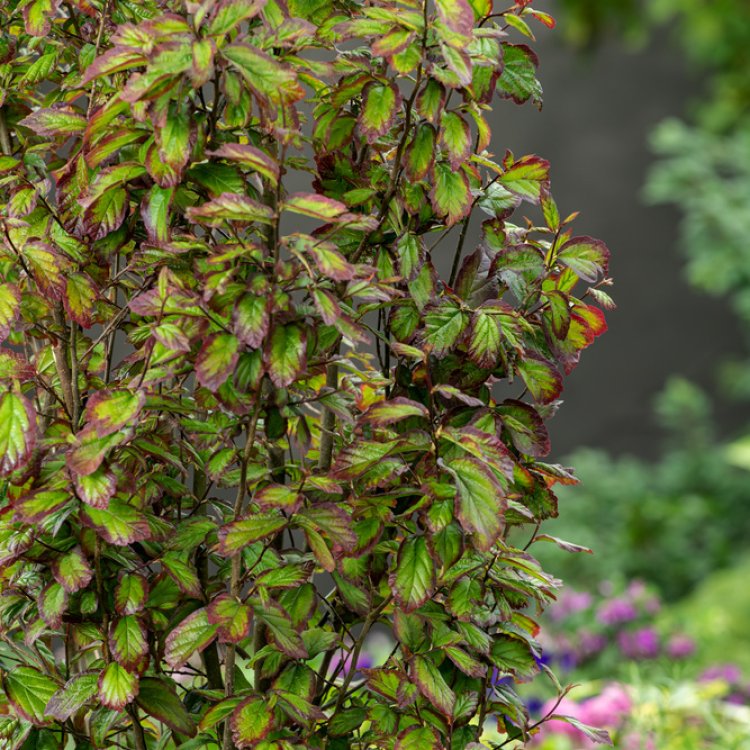
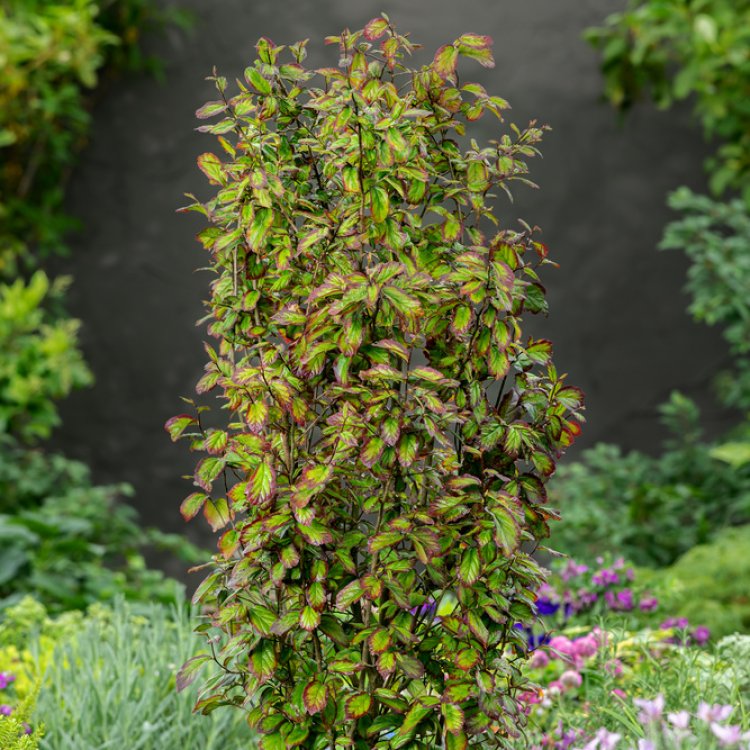
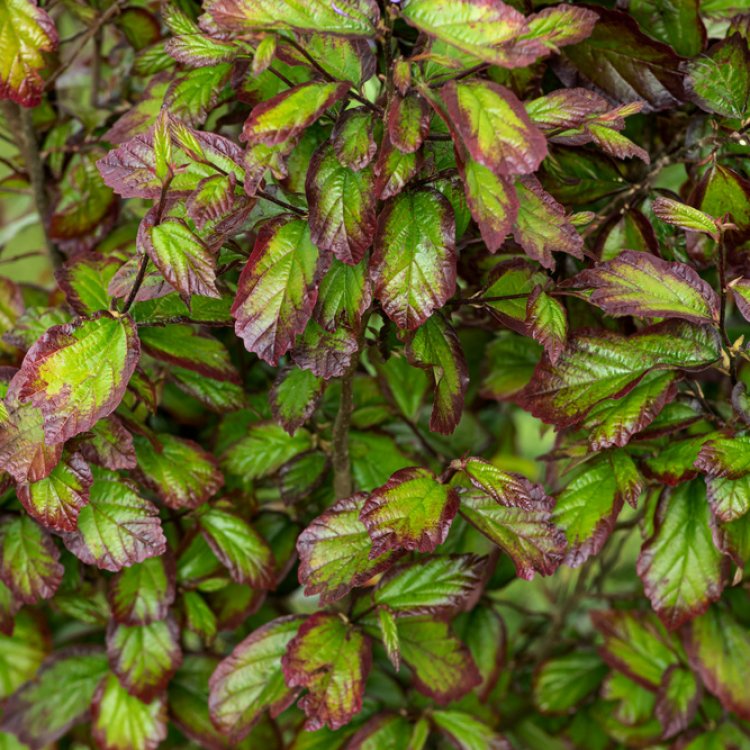
Parrotia persica Persian Spire is a stunning deciduous tree, featuring a slender columnar form and exceptional autumn colour. Its glossy green leaves transition to vibrant gold, orange, and red, adding year-round appeal and architectural elegance to any UK garden.
207 in stock
Parrotia persica Persian Spire offers a superb columnar form and breathtaking autumn colour, making it a spectacular choice for any UK garden.
Discover the unique charm of Parrotia persica Persian Spire, a distinctive cultivar of the widely admired Persian Ironwood. This deciduous tree, originating from the forests of Iran, presents a striking vertical accent. It effortlessly combines architectural elegance with seasonal drama. Furthermore, its adaptable nature ensures it thrives in various UK garden settings. This plant enriches your outdoor space with year-round appeal.
Parrotia persica, often called Persian Ironwood, gains its name from its strong, dense wood. The cultivar ‘Persian Spire’ enhances the species’ best traits. It has a distinctly narrow, upright habit. This makes it an excellent focal point without needing much space. Its lineage traces back to Iran, where it grows naturally. This tree brings exotic elegance to temperate climates.
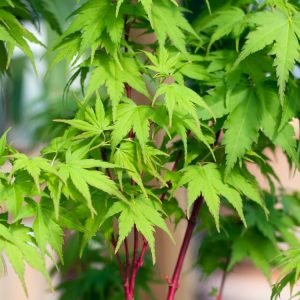
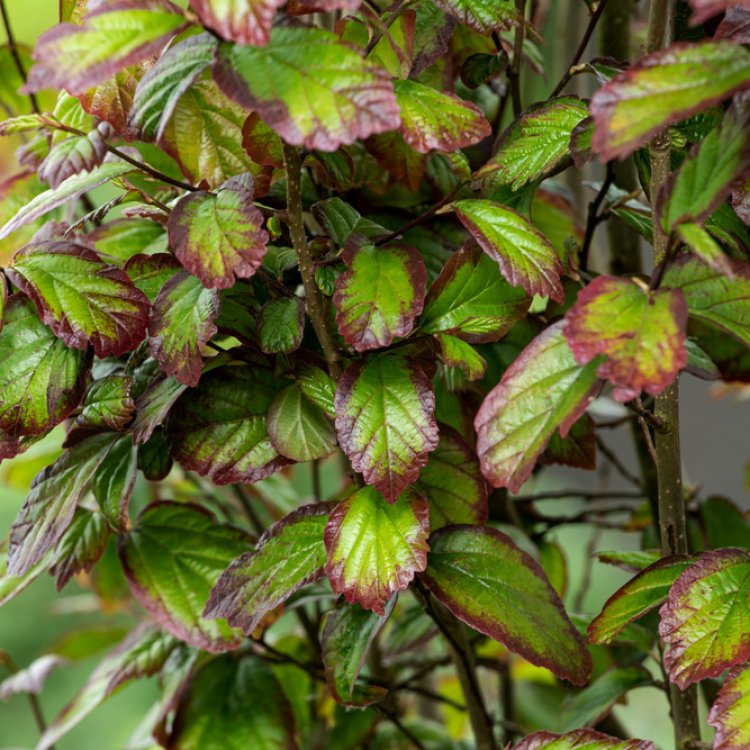
Throughout spring and summer, Parrotia persica Persian Spire displays glossy, dark green leaves. These oval leaves provide a lush backdrop. Its most celebrated feature arrives in autumn, however. The foliage transforms into an incredible tapestry of gold, brilliant orange, deep red, and rich purple hues. This vibrant display lasts for weeks, creating a magnificent spectacle. Before leaves unfurl in spring, small, crimson flowers appear. These witch-hazel-like blooms offer welcome colour during colder months.
One appealing aspect of Parrotia persica Persian Spire is its elegant, upright growth. This columnar shape proves perfect for narrow borders, small gardens, or as a graceful vertical accent. As the plant matures, its bark develops a beautiful, exfoliating pattern. It peels away in flakes, revealing creamy, grey, and green patches beneath. This adds significant texture and interest, especially in winter.
This adaptable tree suits many garden designs. Plant it as a specimen to highlight its unique form. Alternatively, use it in mixed borders. Its slender profile will not overwhelm other plants. It also performs well as an informal hedge or screen, adding privacy and beauty. Furthermore, its resilience means it thrives in various soil types and urban conditions. Consequently, it is a versatile choice for any landscape. The early flowers also provide a vital food source for emerging bees.
Very hardy. Tolerates temperatures typical of a continental winter.
Water young Parrotia persica Persian Spire regularly during dry spells to aid establishment. Established plants are more drought tolerant but benefit from occasional watering in prolonged dry periods. Apply a balanced, general-purpose fertiliser in spring if soil fertility is low. This plant requires minimal pruning; focus on removing any dead, diseased, or crossing branches in late winter or early spring. You can lightly prune to maintain its naturally elegant columnar shape, but this is rarely essential. Ensure the plant is in well-drained soil to prevent root issues.
This plant is deciduous so it will lose all of its leaves in the autumn and get fresh new foliage each spring.