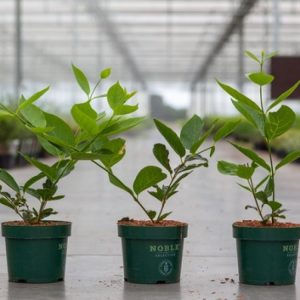
£2.32 – £3.73Price range: £2.32 through £3.73
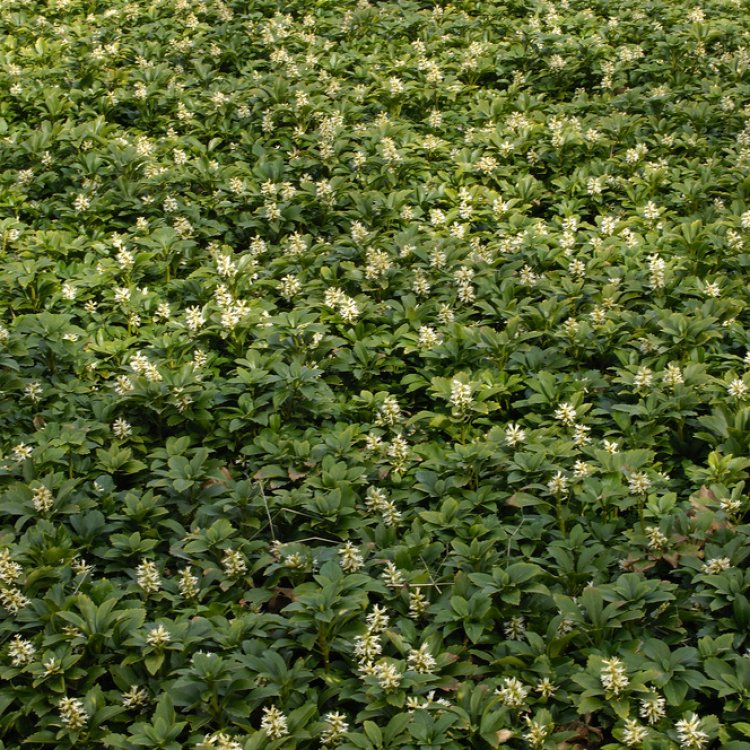
Pachysandra terminalis, or Japanese spurge, is a superb evergreen ground cover. It thrives in challenging shady areas, creating a dense carpet of glossy green foliage. Low maintenance and attractive, it’s perfect for underplanting or stabilising banks.
6640 in stock
Pachysandra terminalis, also known as Japanese spurge, forms a superb evergreen carpet, perfect for transforming challenging shady garden spots in the UK.
This robust perennial thrives where many other plants struggle, creating a dense, year-round blanket of glossy foliage. It offers an effective solution for areas beneath trees or along shady pathways. Furthermore, its ability to suppress weeds makes it a practical choice for many gardeners seeking an attractive, low-effort landscape solution. Pachysandra terminalis truly excels in providing consistent green cover.
Pachysandra terminalis originates from the woodlands of Japan and China. Here, it naturally forms extensive carpets of foliage. The plant’s name, Pachysandra, derives from ancient Greek. It combines ‘pachys’, meaning thick, and ‘andros’, meaning male, which refers to its prominent, thick stamens. Consequently, the specific epithet terminalis highlights how its flowers bloom at the tips of its stems.
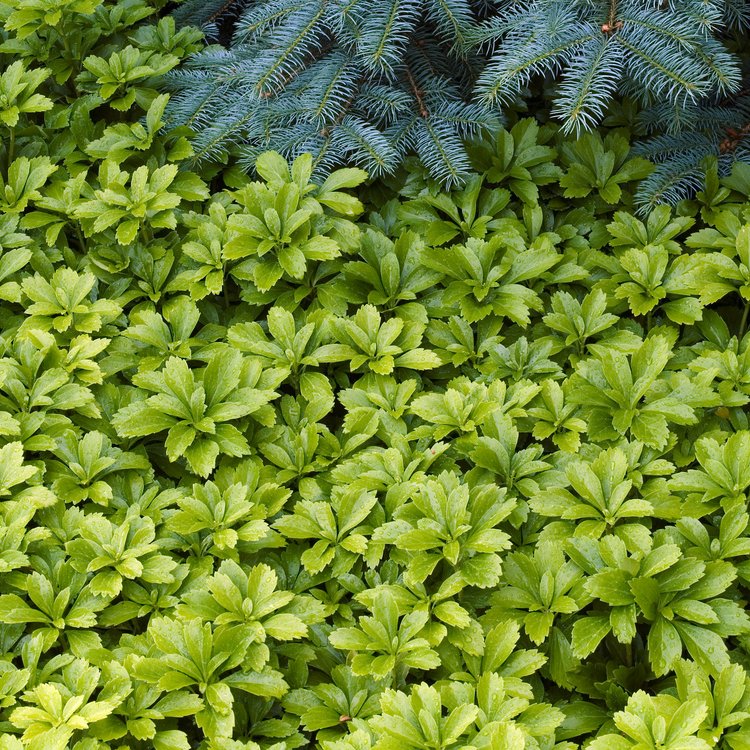
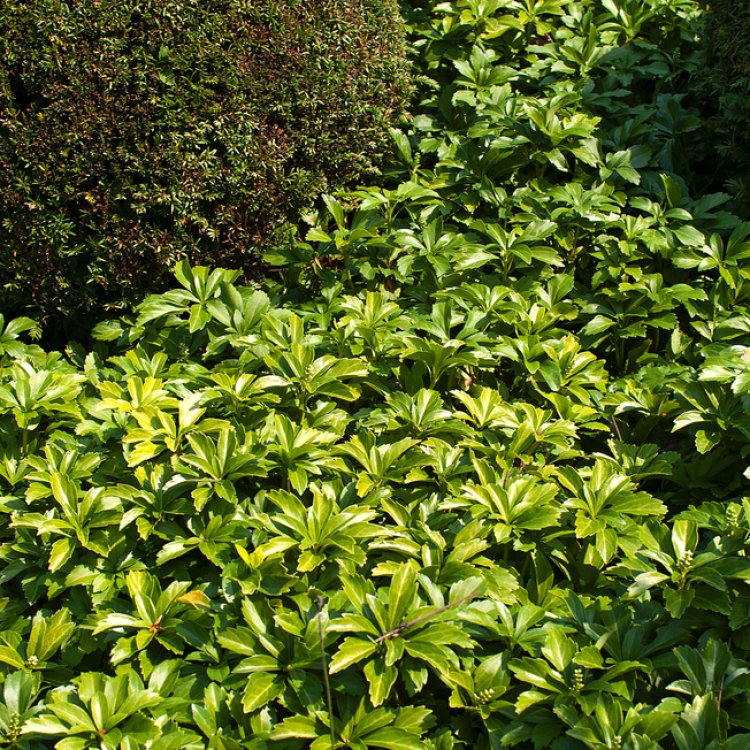
This Japanese spurge displays striking, dark green leaves. Each leaf is oval, glossy, and often shows gentle teeth at its tip. They arrange themselves in attractive whorls around the stems, creating a lush, layered look. While primarily grown for its foliage, Pachysandra terminalis also produces small, upright spikes of white flowers. These subtle blooms emerge in late spring, adding a delicate texture to the evergreen carpet. Following the flowers, tiny, inconspicuous white berries may form.
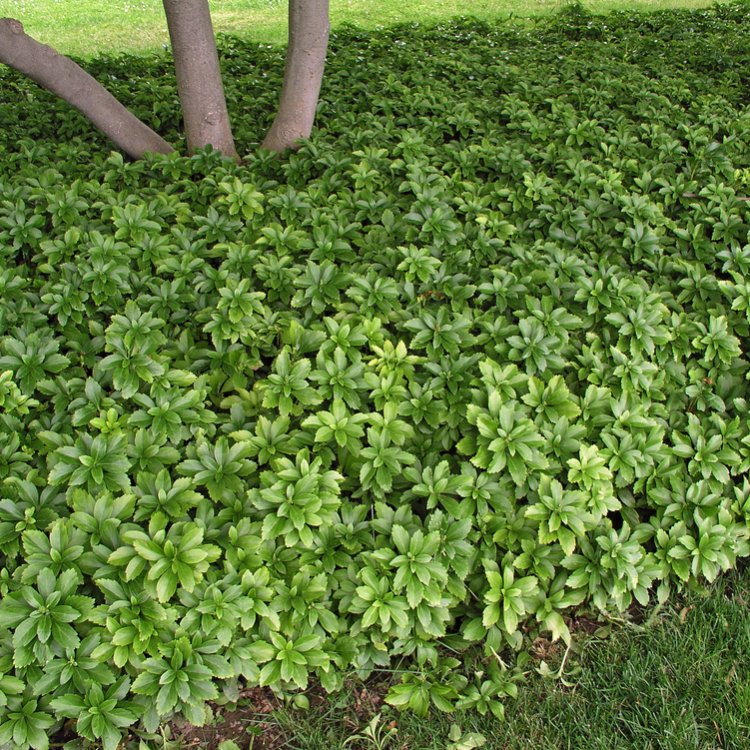
Pachysandra terminalis is an outstanding plant for various garden uses. It acts as an excellent ground cover, especially in difficult dry or damp shade where grass often struggles. Gardeners frequently use it for underplanting beneath trees and shrubs, effectively softening the ground. Moreover, its spreading habit makes it ideal for stabilising banks and slopes, which helps prevent soil erosion. It works well as an edging plant too, clearly defining borders. Furthermore, mass planting of Pachysandra terminalis creates a cohesive, verdant carpet in woodland gardens or urban settings.
Though not a primary wildlife magnet, the small spring flowers of Pachysandra terminalis offer nectar. This can attract early pollinators, such as various bee species, providing a welcome food source when few other plants are in bloom. Maintaining this plant is generally easy. It requires minimal pruning; however, you can cut back older, tired foliage in early spring. This encourages fresh, dense new growth, rejuvenating the plant’s appearance and ensuring its continued vigour.
Hardy in all of the UK and northern Europe. Suitable for exposed sites.
Pachysandra terminalis is low maintenance. Ensure consistent moisture, especially during establishment. Once established, it tolerates some dry shade. Cut back old or leggy foliage in early spring to encourage dense, fresh growth.