£4.18 – £4.90Price range: £4.18 through £4.90
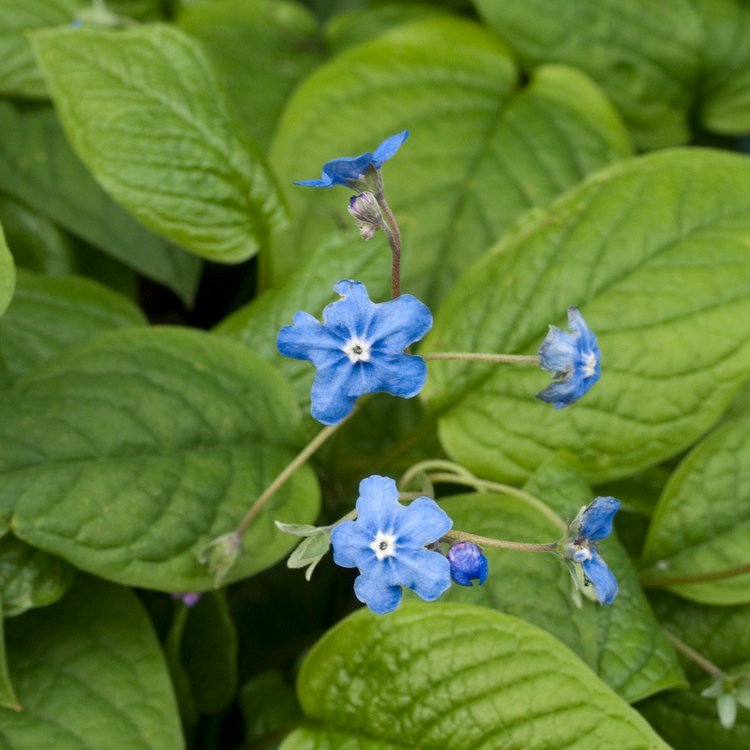
Omphalodes verna, also known as Creeping Navelwort, is a delightful perennial. It produces bright blue, star-shaped flowers in spring, creating a charming groundcover in shady UK garden spots. A low-maintenance plant, it attracts early pollinators.
5160 in stock
Discover Omphalodes verna, the charming Creeping Navelwort, a delightful perennial that brings a carpet of sky-blue flowers to shady garden spots each spring.
This beautiful plant, also known as Blue-eyed Mary, originates from the woodlands of Europe. It lends an enchanting, natural feel to British gardens. Gardeners highly value its early spring display. It provides vital colour when many other plants are still dormant. Easy to grow and maintain, it establishes quickly.
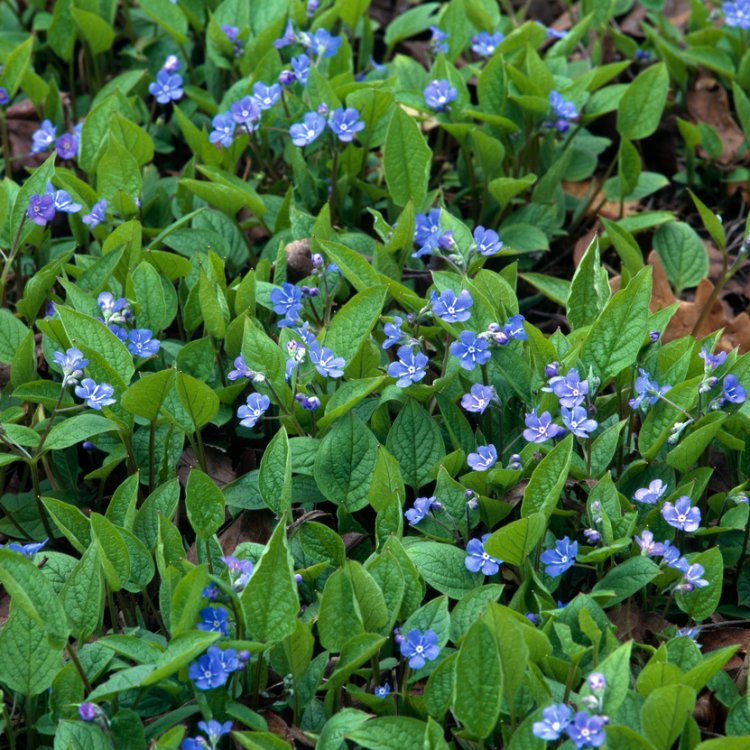
Indeed, Omphalodes verna forms a lush groundcover. It is a true harbinger of spring, transforming dull, shaded areas into vibrant havens of delicate blue. Its spreading habit and cheerful blooms make it a favourite.
Omphalodes verna earns its name from Greek words “omphalos” (navel) and “eides” (resembling). This refers to the navel-like shape of its seeds. Its common name, Creeping Navelwort, also reflects this characteristic. Furthermore, it highlights its naturally spreading habit across the garden.
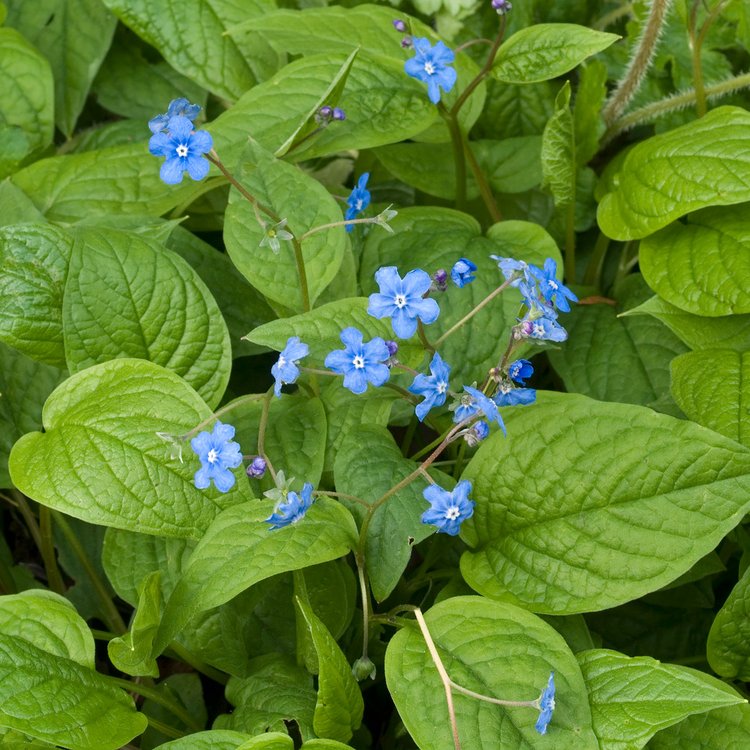
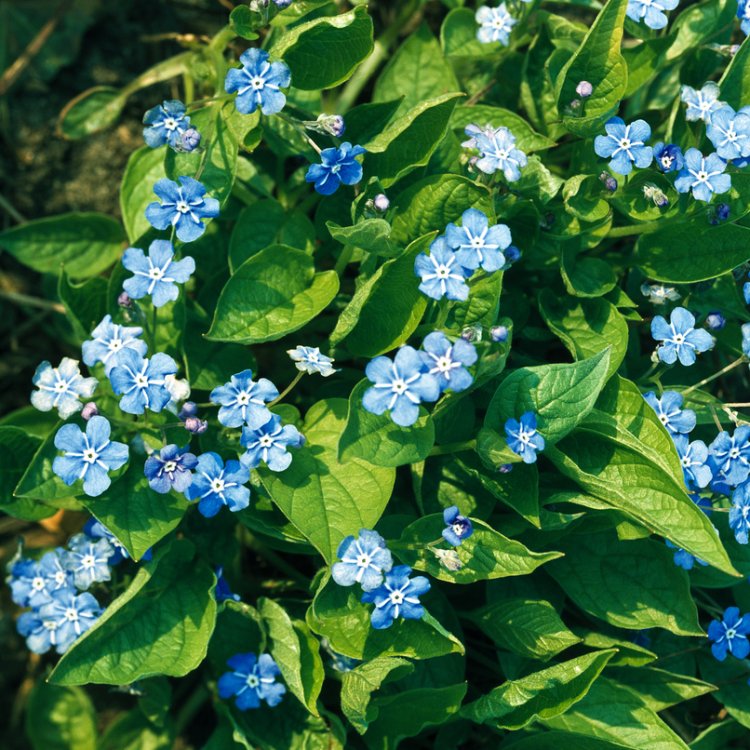
This herbaceous perennial features bright green, heart-shaped leaves. These form a dense, weed-suppressing carpet. The foliage remains attractive throughout the growing season. This happens even after the enchanting floral show concludes in late spring.
During March, April, and May, Omphalodes verna bursts into bloom. Each slender stem carries clusters of small, intense blue flowers. These blooms have a distinctive white centre, often with a yellow eye. This creates a striking contrast that catches the eye.
Gardeners often use this plant to edge pathways. They also soften border fronts or naturalise under deciduous trees and shrubs. Moreover, it excels in woodland gardens, rockeries, or as a vibrant groundcover on banks and slopes. Its vigorous, mat-forming growth habit means it will quickly colonise suitable spaces, creating a living carpet.
This plant requires minimal pruning. You might deadhead spent flowers for aesthetic reasons. However, this is not essential for its health or continued blooming. Omphalodes verna is an excellent choice for wildlife-friendly gardens. Its early flowers provide an important nectar source for early emerging bees and other beneficial insects. Therefore, it supports local ecosystems with ease.
Hardy in all of the UK and northern Europe. Suitable for exposed sites.
Omphalodes verna thrives in consistently moist, humus-rich soil. Ensure adequate watering during dry spells, especially in its first year. Deadheading spent flowers is not essential but can improve appearance and may encourage a few later blooms. To manage its spreading habit or rejuvenate older clumps, divide the plant every few years in early spring or autumn. Mulching with organic matter in spring will help retain soil moisture and provide nutrients.