£11.20 – £13.55Price range: £11.20 through £13.55
Discover Myrica gale, or Bog Myrtle, a wonderfully fragrant native UK shrub. Ideal for damp, boggy areas, it offers aromatic foliage and supports early pollinators, bringing unique charm to your garden.
35 in stock
Discover the unique charm of Myrica gale, also known as Bog Myrtle, a wonderfully fragrant native shrub for UK gardens.
This is a cherished native plant, gracing boggy areas and damp heaths across the UK. Furthermore, its aromatic foliage brings a distinctive scent to any garden. Many gardeners appreciate its resilience and environmental benefits. Truly, this plant offers both beauty and ecological value.
Myrica gale, often called Bog Myrtle or Sweet Gale, is a fascinating deciduous shrub. It belongs to the Myricaceae family. This species is widely distributed across the northern hemisphere. Here in the UK, it is a truly indigenous plant. Interestingly, its genus name, Myrica, comes from the Greek word ‘myrike’, meaning a fragrant plant. The species name ‘gale’ has Old English roots, also referring to its sweet scent. This plant, therefore, lives up to its name.
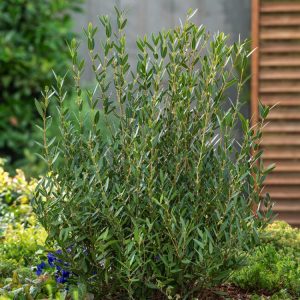
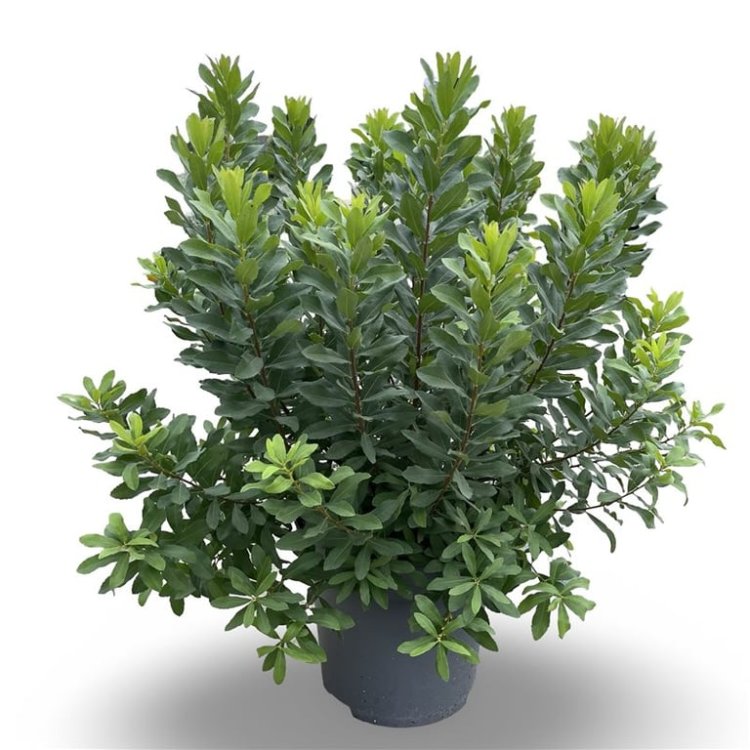
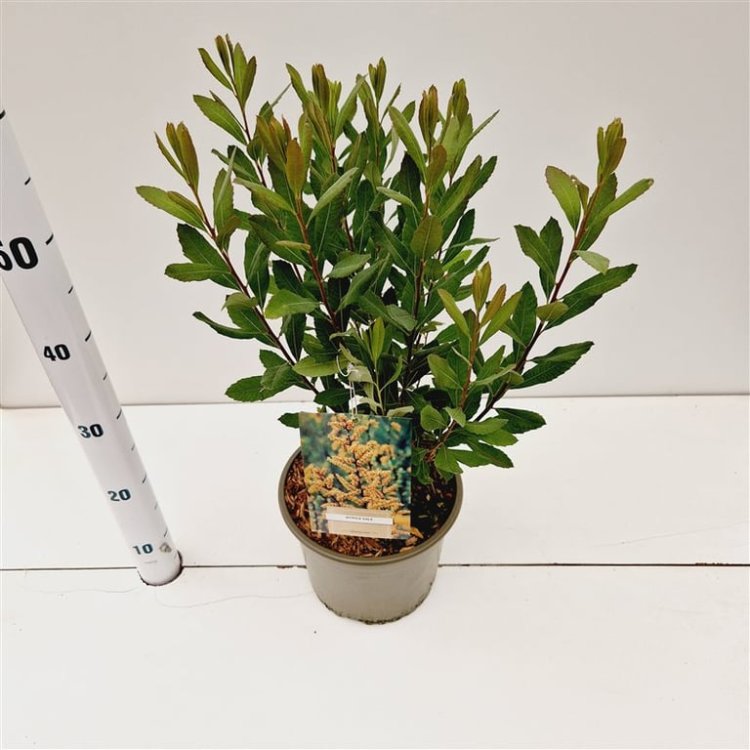
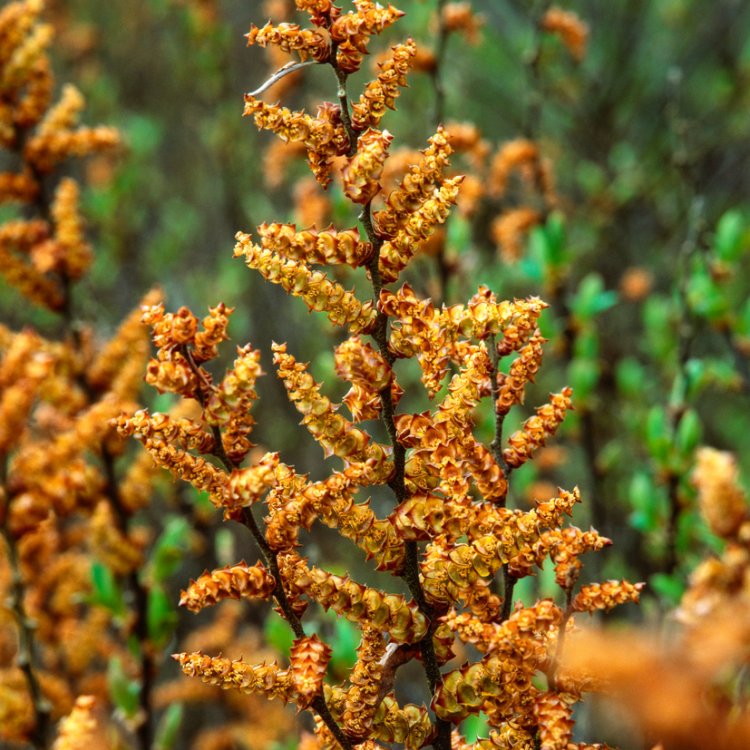
Before its leaves appear, Myrica gale produces small, brown-yellow catkins. These delicate structures emerge in early spring, often in March or April. Subsequently, its slender, lance-shaped leaves unfurl. These leaves are a vibrant green colour and are dotted with tiny resin glands. These glands release a delightful, spicy fragrance when touched. This scent is a key attribute of the plant. Moreover, the foliage turns an attractive yellow in autumn before falling.
Myrica gale is a superb choice for specific garden settings. It thrives beautifully in bog gardens or at the edges of ponds and streams. It works well in damp borders too. You can also plant it to create informal hedging in moist areas. Its natural, spreading habit forms a dense cover. Furthermore, its unique texture and aroma add sensory interest. It requires minimal pruning, perhaps just to tidy its shape.
Beyond its beauty, Myrica gale supports local ecosystems. Its early catkins provide vital pollen for various insects. Bees, in particular, visit these early blooms. As a result, it contributes to pollinator health when other food sources are scarce. Also, its dense growth offers shelter for small wildlife. Therefore, planting this shrub is a positive step for garden biodiversity.
Very hardy. Tolerates temperatures typical of a continental winter.
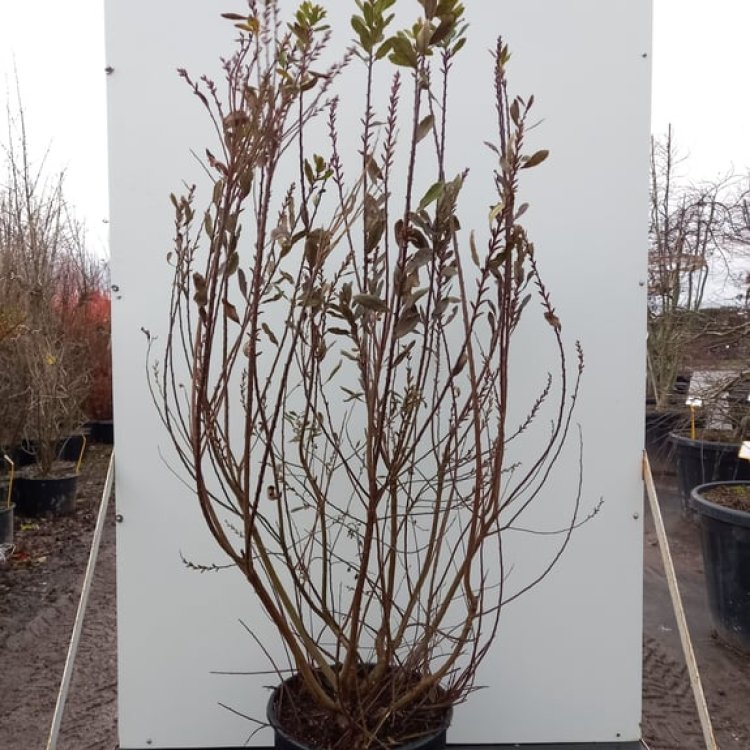
This plant is deciduous so it will lose all of its leaves in the autumn and get fresh new foliage each spring.