£4.18 – £4.88Price range: £4.18 through £4.88
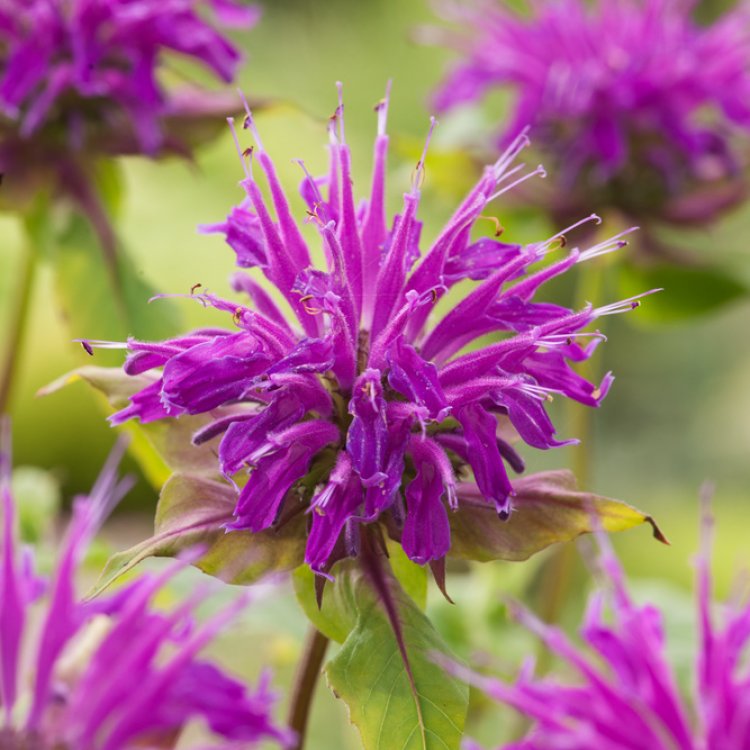
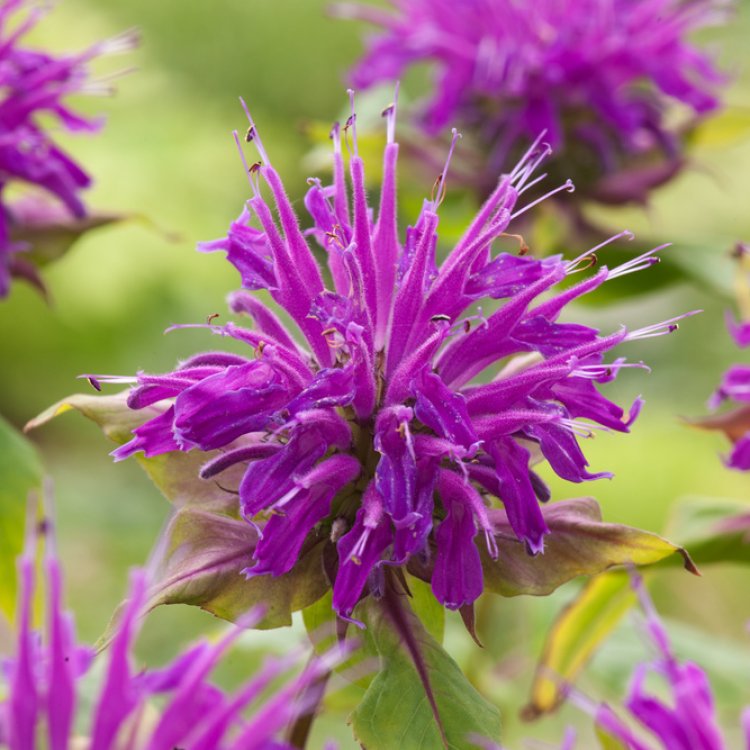
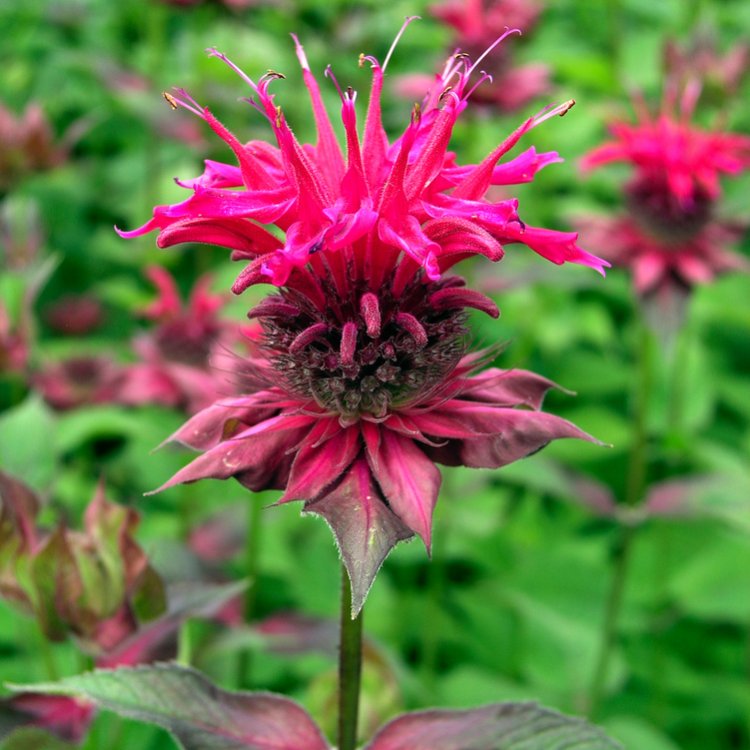
Monarda ‘Marshall’s Delight’ (Bee Balm) features vibrant, rose-pink, shaggy flowers from summer to early autumn. A favourite for bees and butterflies, its aromatic foliage and excellent mildew resistance make this a must-have for UK gardens.
3722 in stock
Monarda ‘Marshall’s Delight’ enlivens any UK garden with its striking rose-pink blooms, a magnet for beneficial pollinators throughout the summer.
Often called Bee Balm or Bergamot, Monarda ‘Marshall’s Delight’ is a truly delightful perennial, celebrated for its vivid colour and robust nature. This popular cultivar brings a burst of energy to borders and wildlife gardens alike. Furthermore, its unique, shaggy flowers and aromatic foliage add wonderful texture and scent, ensuring a memorable garden display.
Monarda ‘Marshall’s Delight’ stands as a superb example within the Monarda genus. This plant’s lineage traces back to North American wildflowers. The specific name ‘Marshall’s Delight’ recognises its distinct qualities, most notably its superior resistance to powdery mildew. Gardeners often choose this cultivar for its health and vigorous growth. Therefore, it provides reliable colour year after year.
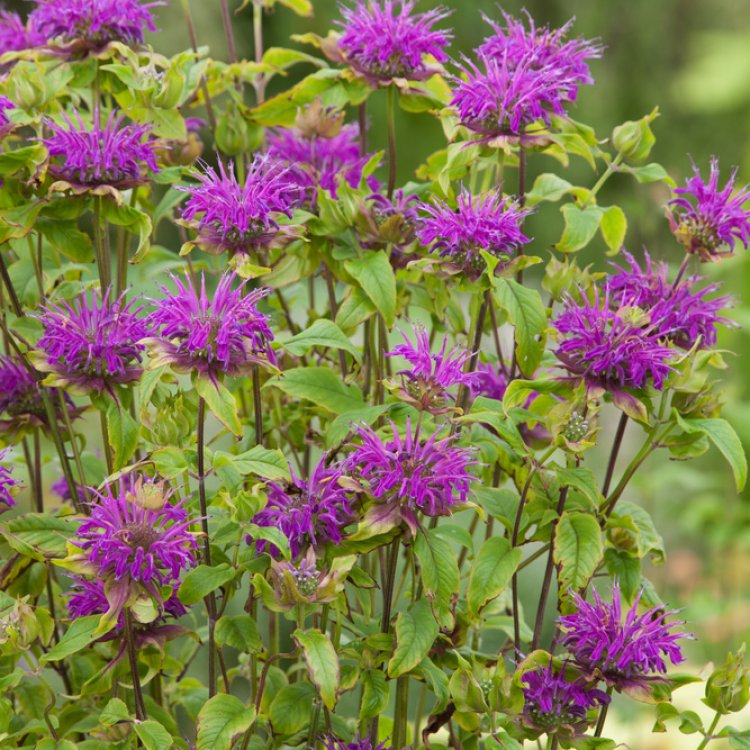
From July through to September, Monarda ‘Marshall’s Delight’ produces an abundance of intricate, shaggy flowers. These striking blooms appear in a delightful shade of rose-pink. They form dense, colourful clusters atop strong, upright stems. This makes them a focal point in the summer garden. Moreover, the mid-green leaves offer their own charm. They release a pleasant, minty fragrance when touched. This aromatic quality contributes to the plant’s overall appeal.
Monarda ‘Marshall’s Delight’ thrives in herbaceous borders. It also suits cottage gardens perfectly. Many gardeners use it in naturalistic plantings. Here, its bold colour can truly shine. Importantly, this plant serves as a vital resource for wildlife. Its nectar-rich flowers are incredibly popular with bees. Butterflies and other beneficial insects also flock to its blooms. Thus, planting Bee Balm helps support local ecosystems. It creates a buzzing, vibrant part of your garden.
This plant is relatively easy to maintain. Deadheading spent flowers extends the blooming period. It also stops unwanted self-seeding. Gardeners simply snip off faded blooms. This encourages the plant to produce more flowers. Come late autumn or early spring, cut back the plant’s old stems. This prepares Monarda ‘Marshall’s Delight’ for new growth. This simple routine ensures a healthy, floriferous display each year.
Hardy across most of the UK except particularly exposed or cold regions.
Keep the soil consistently moist, especially during dry periods. Do not let the plant dry out completely.
Apply a balanced, slow-release granular fertiliser around the base of the plant in early spring. Alternatively, a liquid feed can be used during the growing season.
Deadhead spent flowers regularly to encourage more blooms and to prevent the plant from self-seeding excessively. In late autumn or early spring, cut back all the old stems to ground level.
To maintain vigour and prevent overcrowding, which can lead to reduced flowering and increased risk of powdery mildew, divide established clumps every two to three years in spring.
Monarda 'Marshall's Delight' boasts excellent resistance to powdery mildew. However, ensure good air circulation around the plants. Watch out for potential attacks from slugs and snails on new growth.