£2.63 – £4.03Price range: £2.63 through £4.03
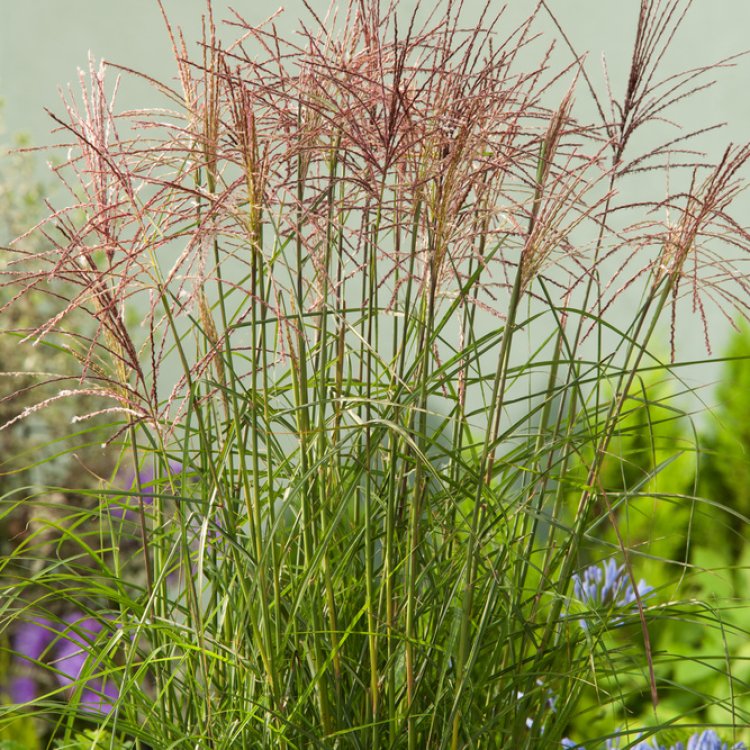
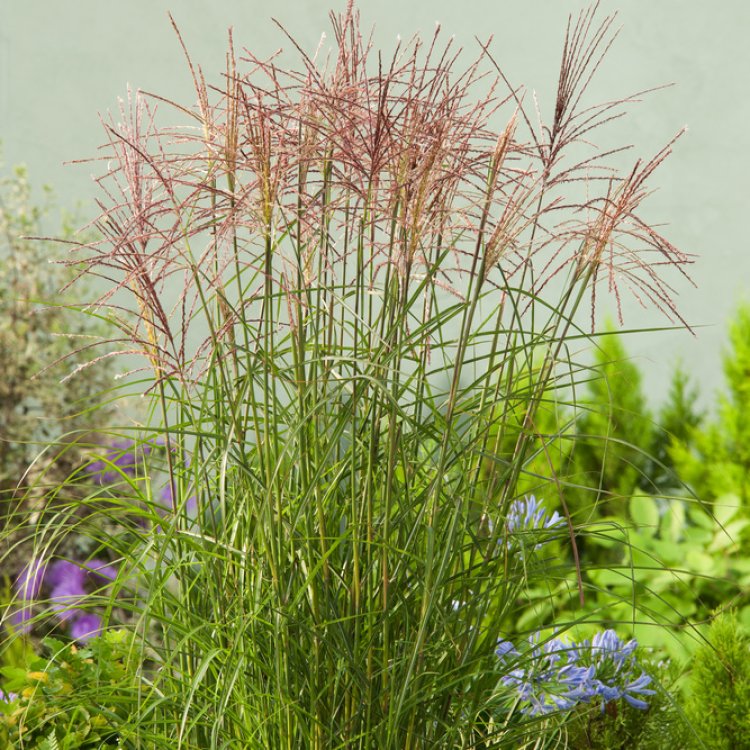
Miscanthus sinensis ‘Roter Pfeil’ is a stunning ornamental grass, delivering vibrant red and purple autumn foliage. Elegant silvery-pink plumes provide winter interest, while its upright habit adds architectural charm to UK gardens.
1152 in stock
Miscanthus sinensis ‘Roter Pfeil’ transforms gardens with its striking ornamental appeal, offering vibrant autumn colours and elegant plumes.
Miscanthus sinensis ‘Roter Pfeil’, often known as Chinese Silver Grass or Eulalia, stands as a truly remarkable ornamental grass. This popular perennial brings architectural interest and dynamic texture to garden designs across the UK. It originates from East Asia, thriving in various conditions, and quickly forms an attractive, upright clump. Consequently, it has become a firm favourite amongst gardeners seeking long-lasting beauty.
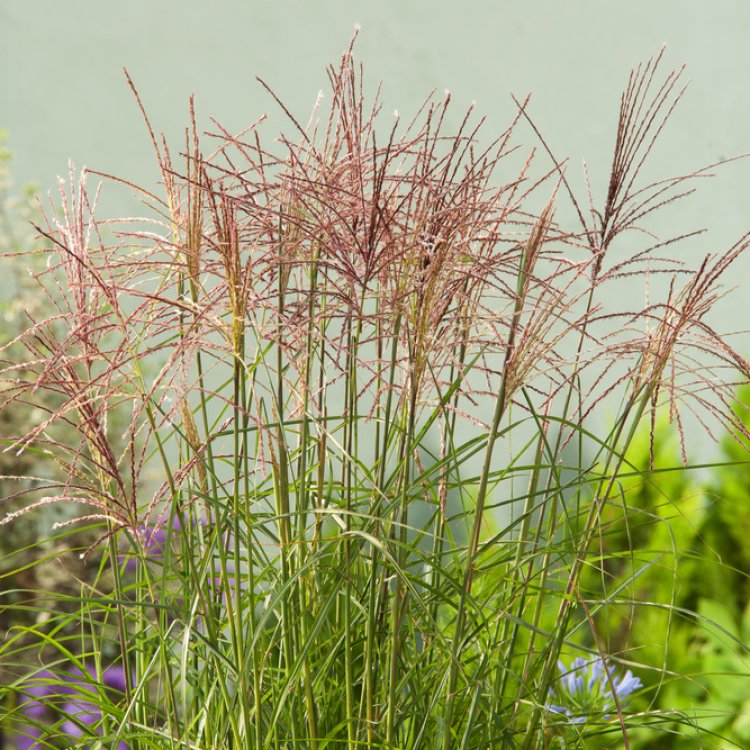
Miscanthus sinensis ‘Roter Pfeil’ is a stunning deciduous ornamental grass. It creates a bold vertical accent in garden borders or as a standalone specimen. The name ‘Roter Pfeil’ translates from German as “Red Arrow”. This wonderfully describes its vivid autumn display. Its striking colours truly stand out in the late season garden.
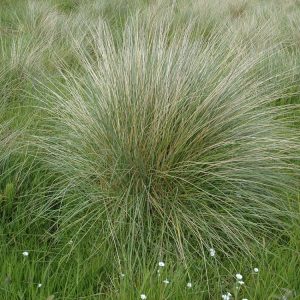
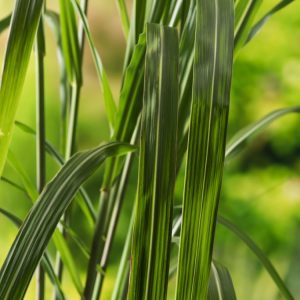
Throughout spring and summer, ‘Roter Pfeil’ exhibits lush, green strap-like leaves. These leaves form dense, upright clumps, providing a fresh backdrop to other plants. As autumn approaches, a dramatic transformation begins. The foliage starts to turn fiery shades of red, burgundy, and purple. This provides an incredible spectacle. Therefore, it adds crucial late-season appeal to your outdoor space.
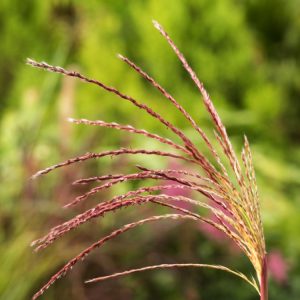
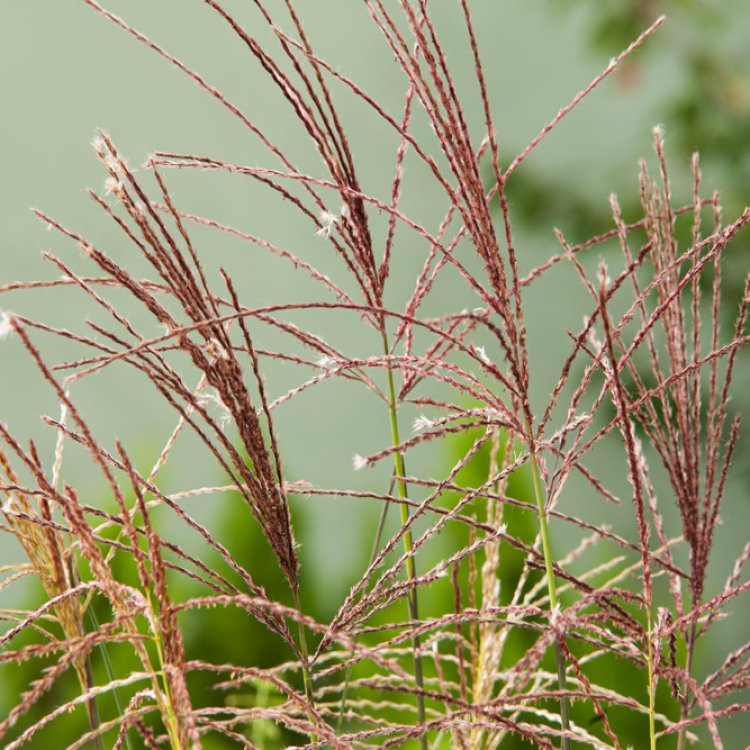
By late summer, elegant flower plumes emerge above the colourful foliage. These plumes are initially a lovely silvery-pink. They mature into a more creamy-white shade. These feathery structures persist well into winter, catching the light beautifully. Consequently, they offer continued visual interest even during colder months. They provide valuable shelter and seeds for garden birds too.
Miscanthus sinensis ‘Roter Pfeil’ performs wonderfully in various garden settings. Plant it at the back of herbaceous borders for height and structure. It also works well as a screening plant. Alternatively, use it as a focal point in a contemporary garden design. Its upright habit complements both formal and informal planting schemes. This grass also thrives in larger containers, bringing a touch of architectural elegance to patios.
This Miscanthus is relatively easy to care for. It establishes quickly and requires minimal attention once settled. Gardeners often choose to cut back the faded foliage and flower stems. Do this in late winter or early spring. This allows new growth to emerge unhindered. This simple task keeps the plant looking tidy and vibrant each year.
Miscanthus sinensis ‘Roter Pfeil’ truly enhances any UK garden. It combines beauty, resilience, and wildlife appeal. This makes it an excellent choice for adding year-round interest.
Very hardy. Tolerates temperatures typical of a continental winter.
Miscanthus sinensis 'Roter Pfeil' requires minimal care once established. Cut back all old foliage and spent flower stems to ground level in late winter or early spring (February-March) before new growth appears. This keeps the plant tidy and promotes vigorous new shoots. Water regularly during dry spells, especially in its first year, to help establishment. Established plants are fairly drought tolerant. Feeding is generally not necessary in fertile soils, but a light application of balanced granular fertiliser in spring can be beneficial in poorer soils. Divide congested clumps every few years in spring to maintain vigour and to propagate new plants. This ornamental grass is generally trouble-free from pests and diseases.