£6.79 – £9.14Price range: £6.79 through £9.14
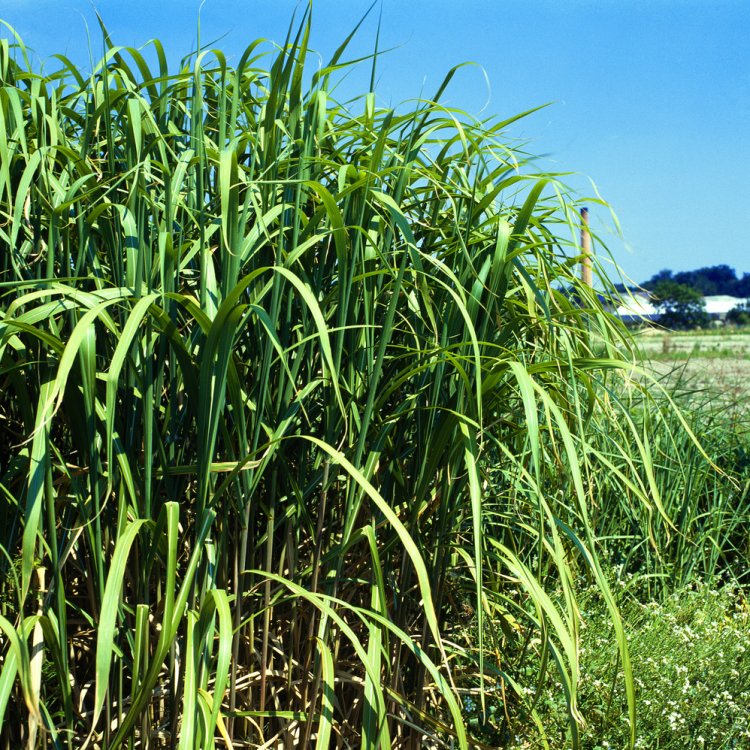
Miscanthus giganteus is a majestic ornamental grass, perfect for UK gardens. Its towering stature and arching foliage create a dramatic display, turning bronze and gold in autumn. Enjoy its feathery plumes through winter.
821 in stock
Discover the grandeur of Miscanthus giganteus, a towering ornamental grass that brings architectural beauty and gentle movement to UK gardens.
Often recognised as Giant Miscanthus or Elephant Grass, Miscanthus giganteus is a truly magnificent plant. This robust perennial grass offers a dramatic presence in any landscape. Its impressive stature and elegant form provide year-round interest. Gardeners cherish it for its distinctive visual impact and the soothing rustle of its leaves. It creates a stunning focal point, transforming outdoor spaces.
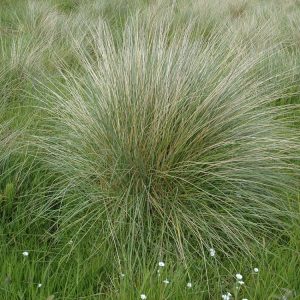
Miscanthus giganteus, sometimes called Giant Miscanthus, is a sterile hybrid. It came from a cross between Miscanthus sinensis and Miscanthus sacchariflorus. The name ‘Miscanthus’ derives from Greek words, ‘mischos’ meaning stem and ‘anthos’ meaning flower. ‘Giganteus’ clearly refers to its impressive size. This elegant grass forms large, non-invasive clumps over time.
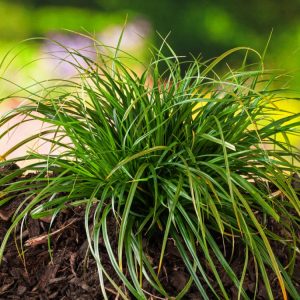
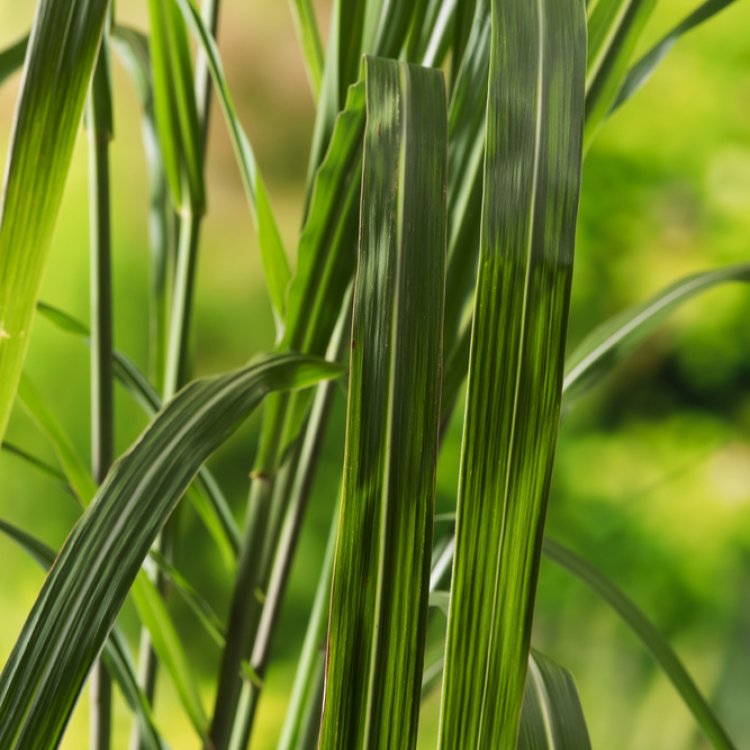
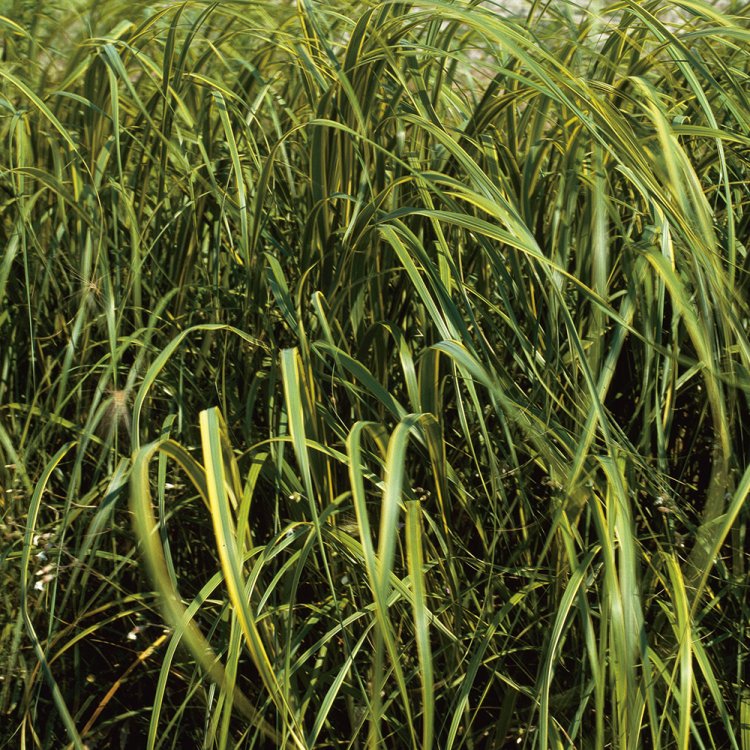
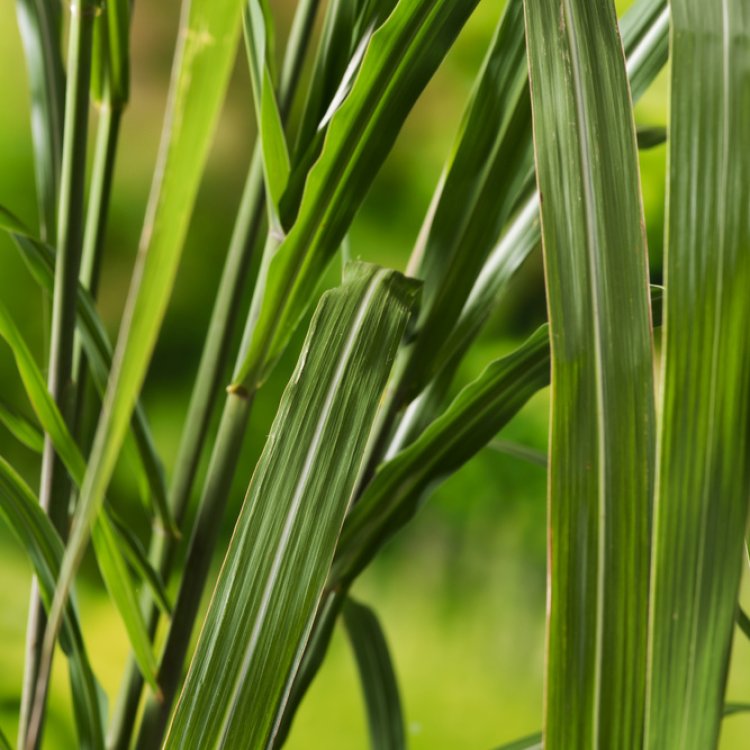
Therefore, it will not spread aggressively through your borders. Its vibrant green leaves are long and strap-like. They arch gracefully, adding a soft, flowing texture to the garden. As autumn approaches, this foliage transforms. It develops stunning shades of bronze, copper, and gold. This provides a warm, colourful display.
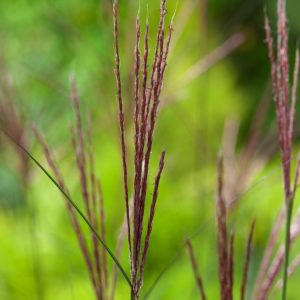
Subsequently, the leaves dry out, remaining attractive through winter. These dry leaves still offer visual interest and a subtle rustling sound. From late summer into autumn, Miscanthus giganteus produces magnificent flower plumes. These feathery plumes emerge in silvery-bronze or reddish-pink tones. They gently sway in the breeze, catching the light beautifully.
Although they are largely sterile, these plumes persist well into winter. They provide structure and interest when many other plants have faded. This versatile plant serves many purposes in the garden. For instance, you can use it as a striking specimen plant. It also forms an effective, tall screen or hedge, offering privacy.
Many gardeners place it at the back of borders to add height and drama. It performs well in large containers too. Miscanthus giganteus provides a safe refuge for garden wildlife. Small birds often shelter within its dense foliage during cold months. Various insects also find sanctuary there.
Regarding its upkeep, this plant needs minimal attention. It responds well to annual cutting back. Simply prune the old foliage to ground level in late winter or early spring. Do this before new shoots begin to appear. This simple task keeps the plant tidy and encourages vigorous new growth. Miscanthus giganteus truly creates a powerful, majestic statement in any UK garden.
Very hardy. Tolerates temperatures typical of a continental winter.
Water regularly until established, then Miscanthus giganteus becomes drought tolerant. Feed in spring with a balanced fertiliser if your soil is poor. Annually, cut back all dead foliage to ground level in late winter or early spring, just before new growth emerges. This keeps the plant tidy and promotes vigorous, healthy shoots for the coming season. Generally pest and disease free, it requires minimal ongoing care. Young plants in very cold regions may benefit from a protective mulch layer over winter.