£3.94 – £5.36Price range: £3.94 through £5.36
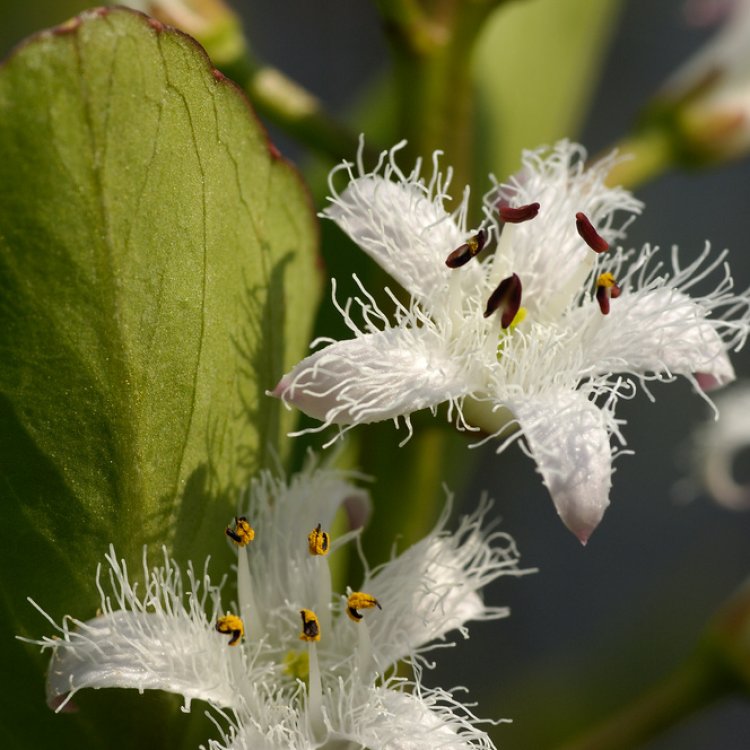
Menyanthes trifoliata, or Bogbean, is a native aquatic perennial with unique fringed white flowers from May to July. Its bright green leaves form lush mats, offering vital habitat for UK wildlife. Perfect for pond margins or bog gardens.
300 in stock
Discover Menyanthes trifoliata, a beautiful aquatic perennial gracing UK ponds with unique blooms and lush foliage, perfect for natural water features.
Menyanthes trifoliata, commonly known as Bogbean or Buckbean, is a charming native British plant. This vigorous marginal aquatic brings an elegant touch to garden ponds and bog gardens. Its distinctive flowers and bright green leaves create a delightful display. Furthermore, it offers excellent habitat for wildlife, enhancing biodiversity in your outdoor space. It truly thrives in consistently wet environments, ensuring a vibrant natural look.
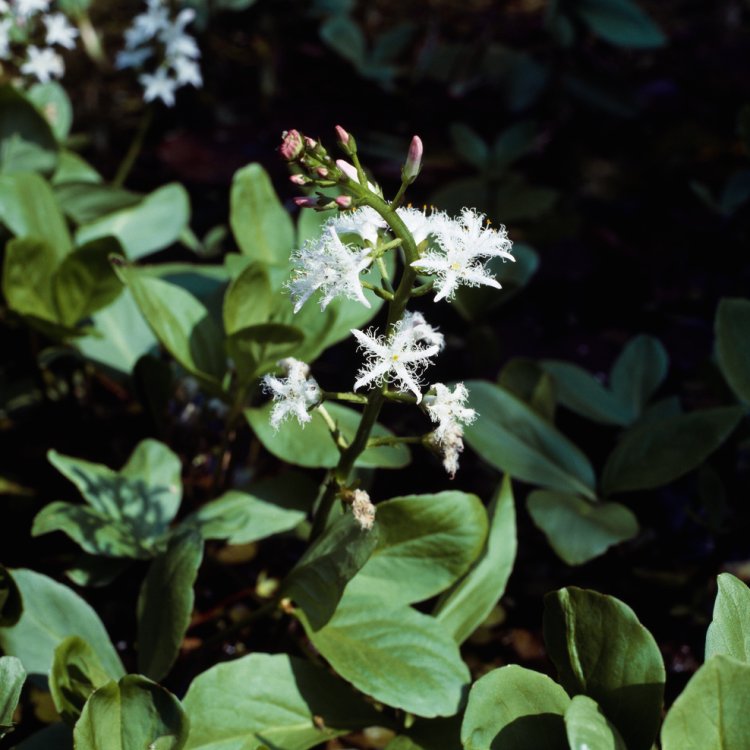
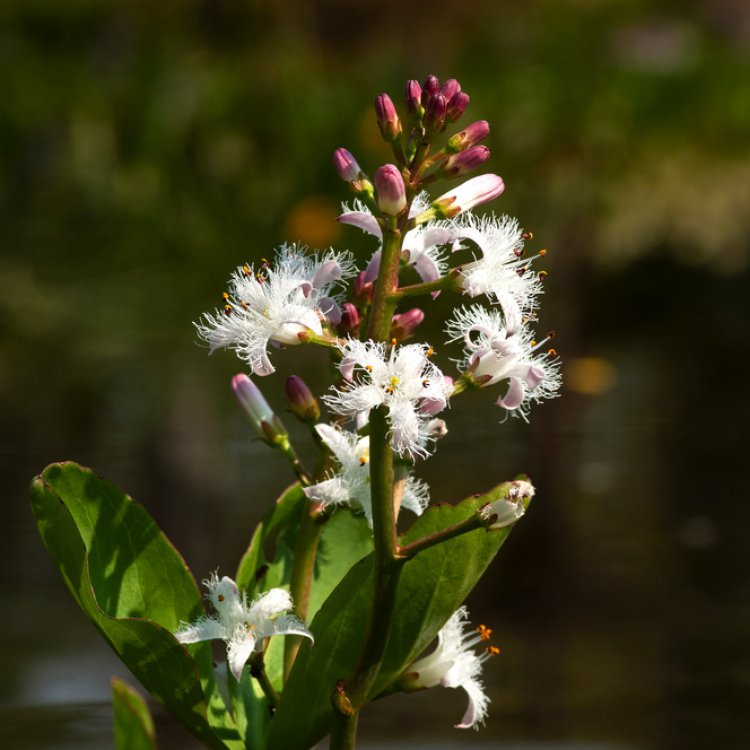
Menyanthes trifoliata, deriving its name from Greek (‘men’ meaning month, ‘anthos’ meaning flower, referring to its monthly flowering, and ‘trifoliata’ meaning three-leaved), truly stands out. It features striking upright flower spikes that emerge from May through July. Each flower presents five delicate, star-shaped petals. Interestingly, these petals are distinctively fringed with white hairs, creating a soft, feathery appearance. The colour ranges from pure white to a gentle pale pink, often with yellow centres. Following this, the blooms develop into small, round seed capsules.
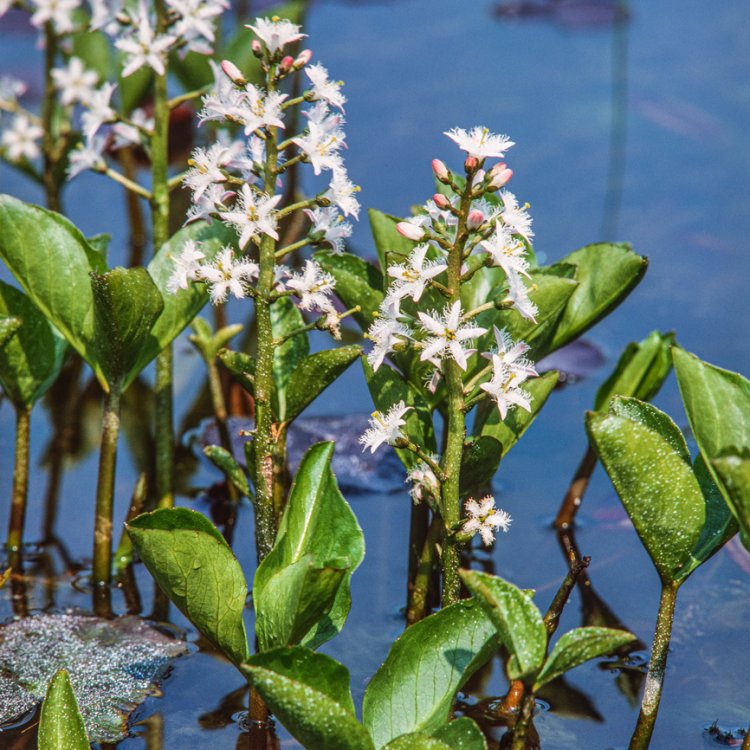
Its foliage is equally captivating. The bright green leaves are trifoliate, meaning they comprise three oval leaflets. These leaves grow on long stalks directly from creeping rhizomes. They create a lush, floating mat on the water’s surface or within very boggy ground. This robust plant spreads readily, which helps to cover pond edges effectively. Consequently, it creates a naturalised and established look very quickly.
Menyanthes trifoliata is a superb choice for various aquatic and bog garden settings. It excels when planted in shallow water at the margins of ponds, typically between 5-15cm deep. Alternatively, it flourishes in consistently damp or boggy soil near water features. This adaptability makes it suitable for diverse garden designs. Moreover, its vigorous growth can help to oxygenate water and provide valuable cover for aquatic life.
The plant’s flowers are highly attractive to pollinators. Bees and butterflies visit frequently, seeking nectar. Therefore, planting Menyanthes trifoliata directly supports local wildlife populations. There is no specific need for pruning or shaping this plant, as its natural growth habit is part of its charm. Simply remove any faded foliage or spent flower stems as needed to maintain tidiness. Its vigorous nature means it will quickly fill suitable spaces, offering continuous interest.
Hardy in the harshest UK conditions and below. Suitable for mountain regions.
Plant Menyanthes trifoliata in shallow water, 5-15cm deep, or in consistently boggy soil. Remove any faded flowers or old, yellowing foliage to maintain an tidy appearance. Divide vigorously spreading clumps every few years, ideally in spring, to control growth and ensure plant vigour.