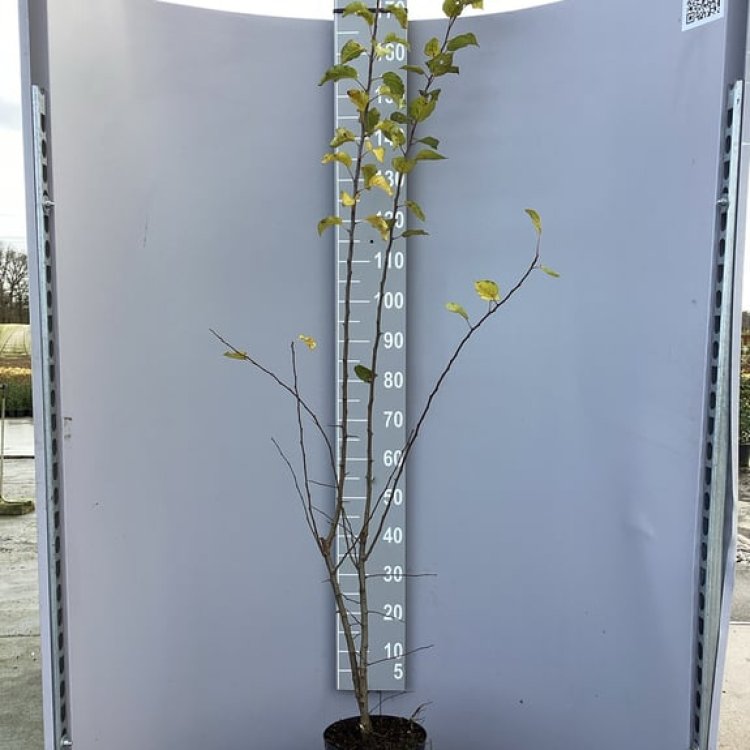
£4.61 – £6.97Price range: £4.61 through £6.97
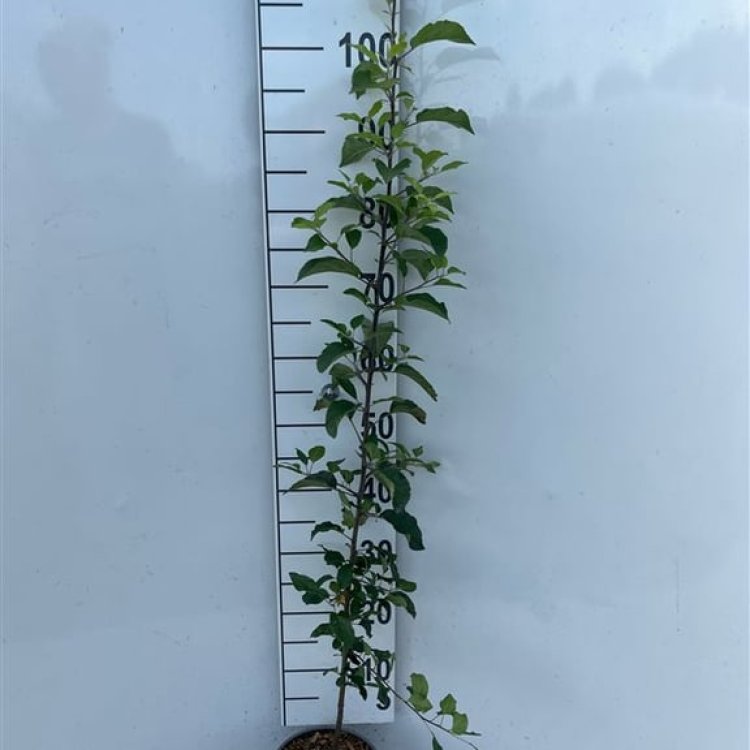
Discover Malus sylvestris, the native Crab Apple. This beautiful tree delights with spring blossoms, providing nectar for pollinators. Its tart autumn fruits offer sustenance for wildlife and make delicious preserves, making it a wonderful ecological addition to any UK garden.
272 in stock
A truly captivating British native, Malus sylvestris, commonly known as the Crab Apple, brings charm, beauty, and ecological value to any UK garden.
The European Crab Apple, Malus sylvestris, is a small to medium-sized deciduous tree. It stands as a significant ancestor to many modern apple varieties. This hardy species naturally thrives across much of Europe, including the British Isles.
Gardeners often value Malus sylvestris for its delightful spring blossoms and its autumn fruits. Moreover, it offers a vital food source for local wildlife. This plant therefore integrates wonderfully into various garden designs, providing both aesthetic appeal and environmental benefits.
The name Malus sylvestris originates from Latin. ‘Malus’ refers to the apple tree, while ‘sylvestris’ means ‘of the woods’ or ‘wild’. This perfectly describes its natural habitat and rugged appeal. It is a genuine native, forming an integral part of British woodlands and hedgerows. The species typically grows into an elegant small to medium-sized tree, developing an irregular, spreading crown. Its branches often become gnarled with age, creating a strong architectural presence.
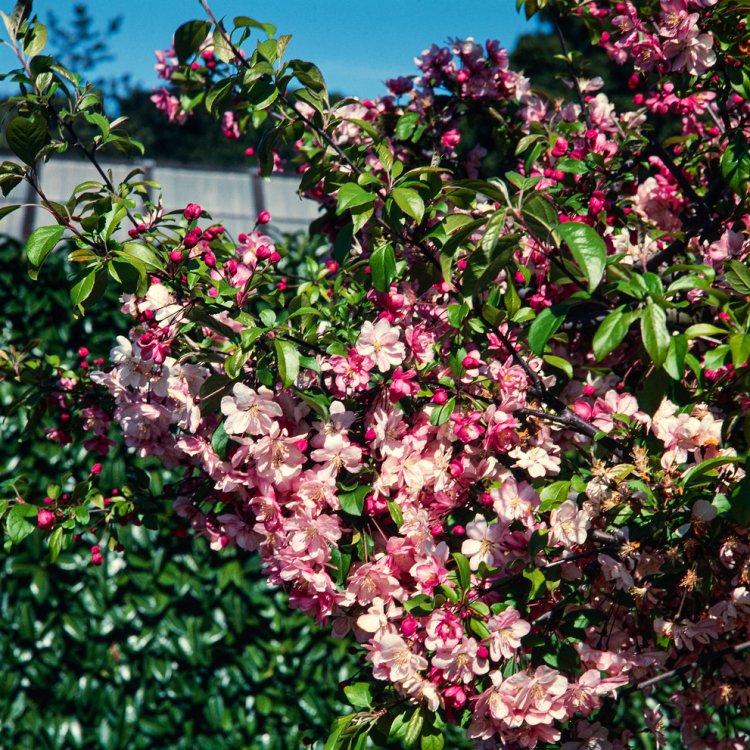
In spring, usually between April and May, Malus sylvestris bursts into life. It produces a spectacular display of white to pale pink, fragrant flowers. These charming blooms are a magnet for pollinators, especially native bees, which visit to collect nectar and pollen.
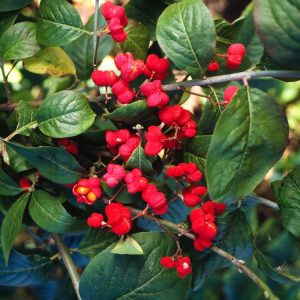
Following this beautiful floral show, the tree develops its distinctive small, yellow-green crab apples. These fruits mature through late summer and autumn, often persisting on the branches. Although too tart for raw eating, they are superb for making jellies, preserves, and ciders. Furthermore, these crab apples provide an essential food source for birds and small mammals during the colder months.
Gardeners can incorporate Malus sylvestris into many different garden schemes. It serves wonderfully as a standalone specimen tree in a lawn, where its seasonal interest can be fully appreciated. Conversely, you can plant it within an informal mixed border or woodland garden. Some gardeners even use it for traditional native hedging, although this requires more regular pruning.
Minimal pruning is generally needed for a Malus sylvestris tree. You should remove any dead, diseased, or crossing branches during late winter or early spring. This ensures good airflow and maintains the tree’s healthy structure. This adaptable tree supports a thriving garden ecosystem.
Very hardy. Tolerates temperatures typical of a continental winter.
For optimal health, water Malus sylvestris regularly during its establishment phase, especially during dry spells. An annual feed with a general-purpose fertiliser in spring can support robust growth. Pruning requirements are minimal; focus on removing any dead, diseased, or crossing branches in late winter or early spring before bud burst. This practice improves air circulation and maintains the tree's healthy structure and shape. While generally robust, monitor for common apple pests like aphids and diseases such as scab or canker, although native species often show good natural resistance.
This plant is deciduous so it will lose all of its leaves in the autumn and get fresh new foliage each spring.