£18.20 – £20.56Price range: £18.20 through £20.56
Malus domestica ‘James Grieve’ is a classic British apple tree, cherished for its dual-purpose fruit. Enjoy its refreshing taste fresh or cooked. Spring blossoms attract pollinators, making it a wonderful and productive addition to any UK garden.
500 in stock
Experience the timeless appeal of Malus domestica ‘James Grieve’, a classic British apple tree, celebrated for its superb dual-purpose fruit and spring blossoms.
This esteemed apple cultivar, Malus domestica ‘James Grieve’, holds a special place in UK gardens. Its rich heritage dates back to late 19th century Scotland. Gardeners value this tree for its consistent yields and delightful apples. These fruits offer a refreshing tang when picked early. They mellow to a sweet flavour if allowed to ripen fully. This makes it an excellent choice for both eating fresh and culinary endeavours.
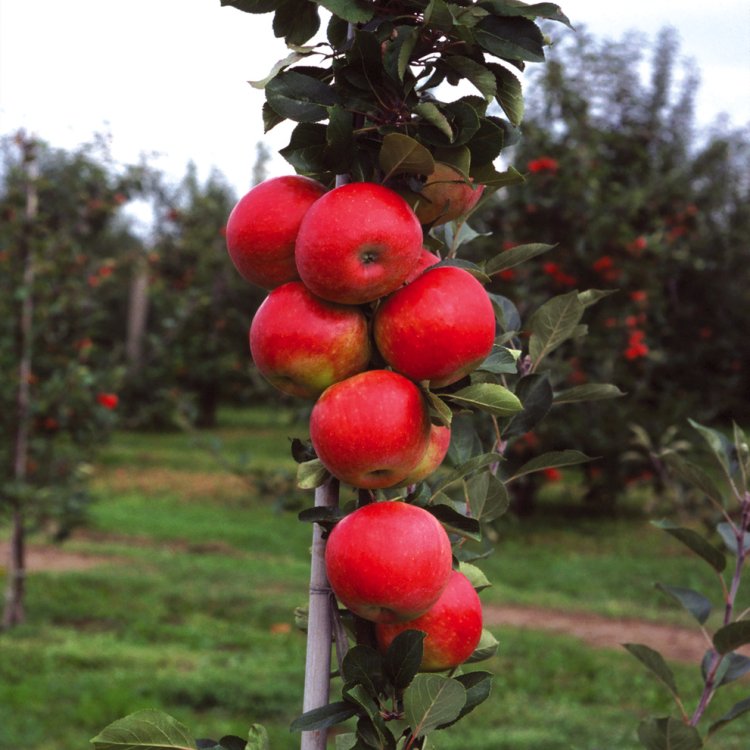
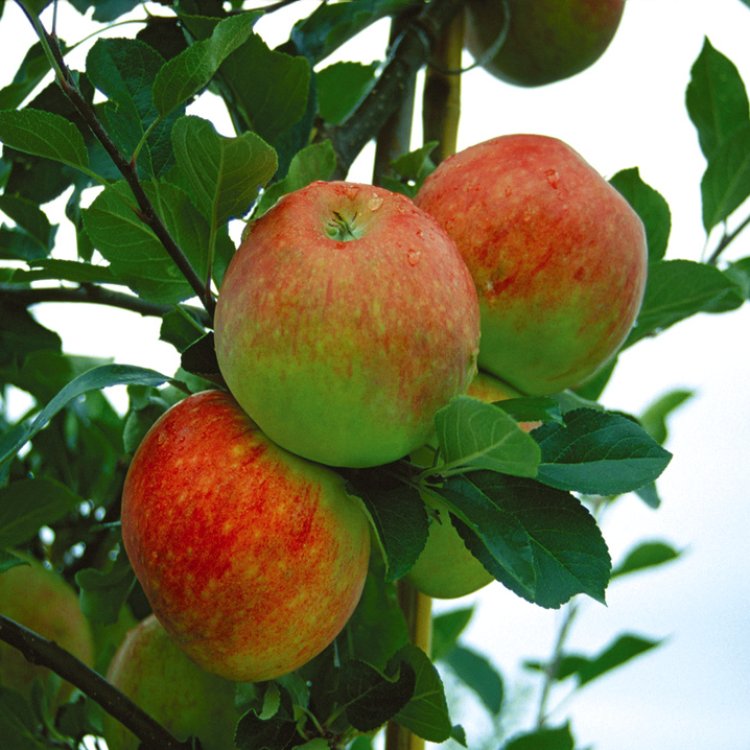
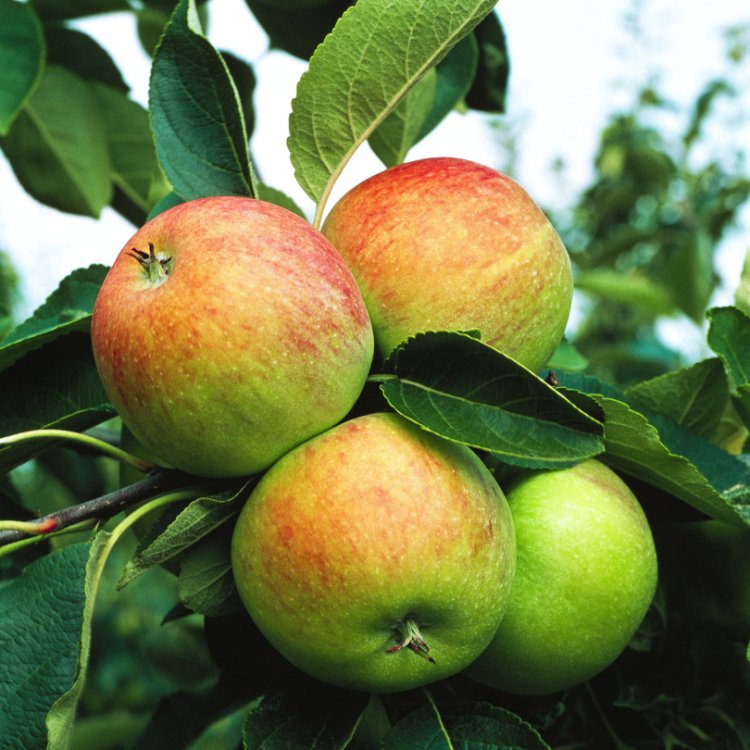
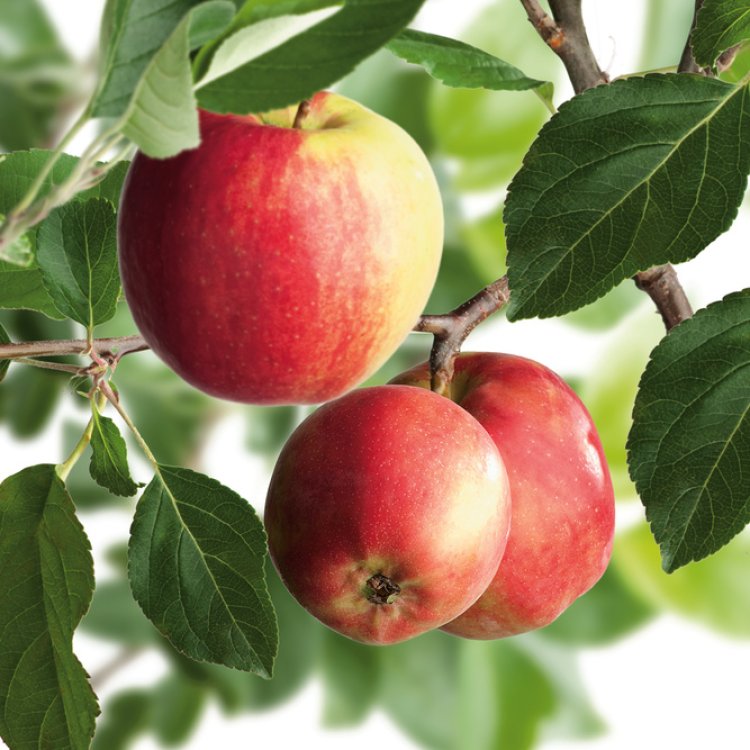
Malus domestica ‘James Grieve’ earned its name from James Grieve. He raised the original seedling in Edinburgh, Scotland, around 1893. Soon after, it quickly gained popularity across Britain. Its distinctive apples are medium-sized. They boast a roundish-conical shape. Furthermore, their greenish-yellow skin often develops an appealing red flush or stripes. The crisp, creamy white flesh offers a superb balance of sharpness and juiciness. Harvest these apples in late August or early September for the best taste.
As spring arrives, the ‘James Grieve’ apple tree bursts into beautiful white to pale pink blossoms. These fragrant flowers provide a crucial early food source for many beneficial insects. Busy bees and butterflies visit these blooms. Subsequently, this pollination activity ensures a bountiful harvest later in the year. The tree’s lush green foliage remains vibrant throughout the summer. Then, it transforms into attractive shades of yellow before falling in autumn. This signals winter’s approach.
This robust and adaptable apple tree serves various purposes within the garden. Many gardeners choose it as a freestanding orchard tree. However, its vigorous growth habit also suits training against walls or fences. Consider an espalier or fan shape. Regular pruning helps maintain the tree’s structure. It also encourages optimal fruit production. Therefore, it remains a manageable and fruitful addition to any plot.
The Malus domestica ‘James Grieve’ also offers significant benefits to local wildlife. Its blossoms nourish pollinators. Moreover, any unharvested fruits provide valuable sustenance for garden birds. This happens especially during the colder months. Thus, planting this tree contributes positively to your outdoor space. It helps create a lively and productive environment. This heritage cultivar truly embodies both beauty and utility. It makes a wonderful choice for your UK garden.
Very hardy. Tolerates temperatures typical of a continental winter.
Water newly planted trees regularly until established. Provide consistent moisture during dry spells, especially when fruits are developing. Apply a balanced granular fertiliser around the base in late winter or early spring, following product instructions. Undertake winter pruning annually to remove dead, damaged, or diseased wood, and to maintain an open structure for good air circulation and light penetration. Summer pruning can control growth and encourage fruiting spurs. Regularly inspect the tree for signs of common apple pests (e.g., aphids, codling moth) and diseases (e.g., apple scab, canker). Address issues promptly using appropriate organic or chemical treatments if necessary. Provide staking for young trees to ensure strong, upright growth, removing once established. Keep the area around the base of the tree clear of weeds to reduce competition for water and nutrients.
This plant is deciduous so it will lose all of its leaves in the autumn and get fresh new foliage each spring.