£18.20 – £20.56Price range: £18.20 through £20.56
Grow Malus domestica 'Gala', the popular Gala Apple Tree, for sweet, crisp fruit in your UK garden. Enjoy beautiful spring blossoms and a reliable harvest from late August. This deciduous tree offers both beauty and delicious produce.
1000 in stock
Discover the delightful Malus domestica 'Gala', a cherished apple tree cultivar known for its crisp, sweet fruit and beautiful garden presence.
The Malus domestica 'Gala', also called Gala Apple Tree, stands as a favourite among British gardeners. Originating from New Zealand, this popular cultivar brings a delightful taste of late summer to early autumn harvests. Gardeners choose this fruit tree for its reliable cropping, attractive blossoms, and its wonderfully sweet, juicy apples. Its moderate size suits many UK gardens, providing both ornamental beauty and delicious produce.
Malus domestica 'Gala' is a distinguished apple variety, beloved worldwide for its eating quality. Bred in New Zealand during the 1930s from ‘Kidd’s Orange Red’ and ‘Golden Delicious’, it gained recognition. Its distinctive flavour and appealing look made it popular. The name ‘Gala’ suggests celebration, reflecting the joy these apples bring.
As a deciduous tree, the Gala Apple Tree offers seasonal interest. In spring, it bursts into life with white-pink blossoms. These charming flowers provide vital nectar for bees and other beneficial insects. This pollination activity is crucial for fruit setting. Following blossoms, lush green foliage develops, offering summer shade. As autumn nears, leaves turn lovely yellow tones before falling.
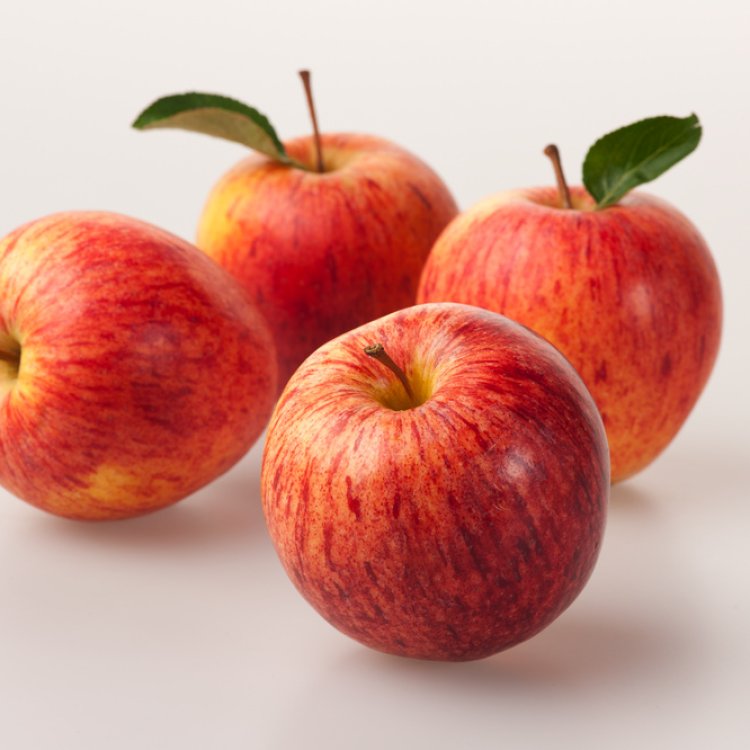
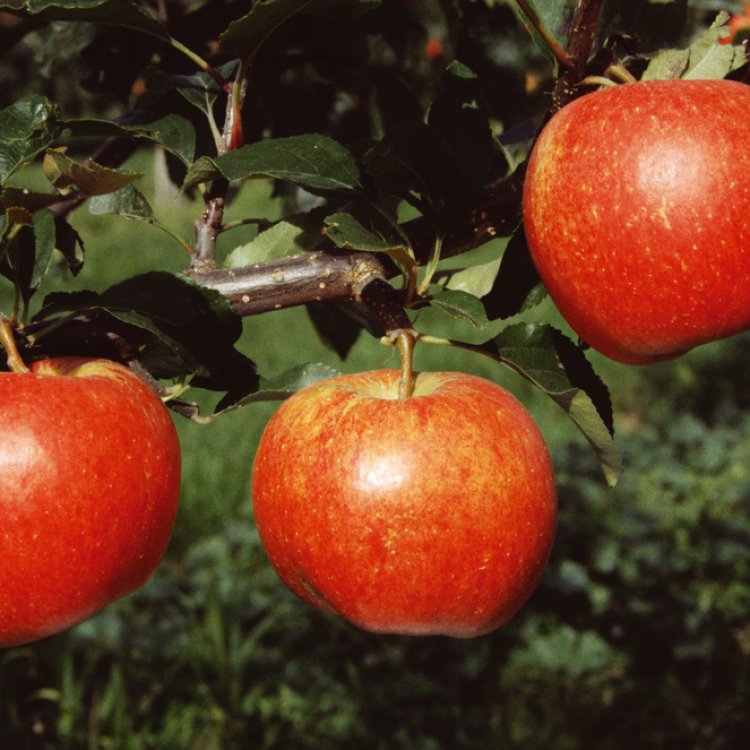
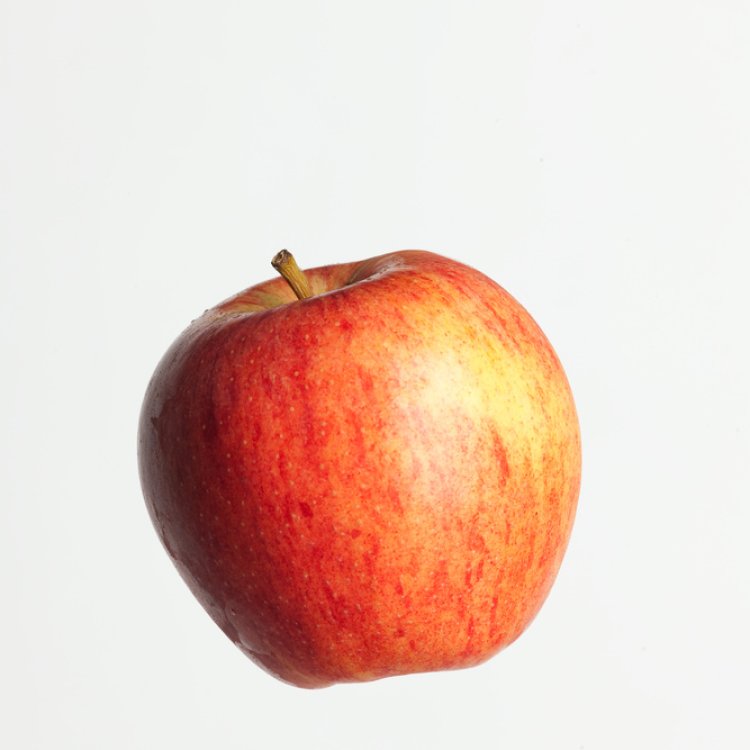
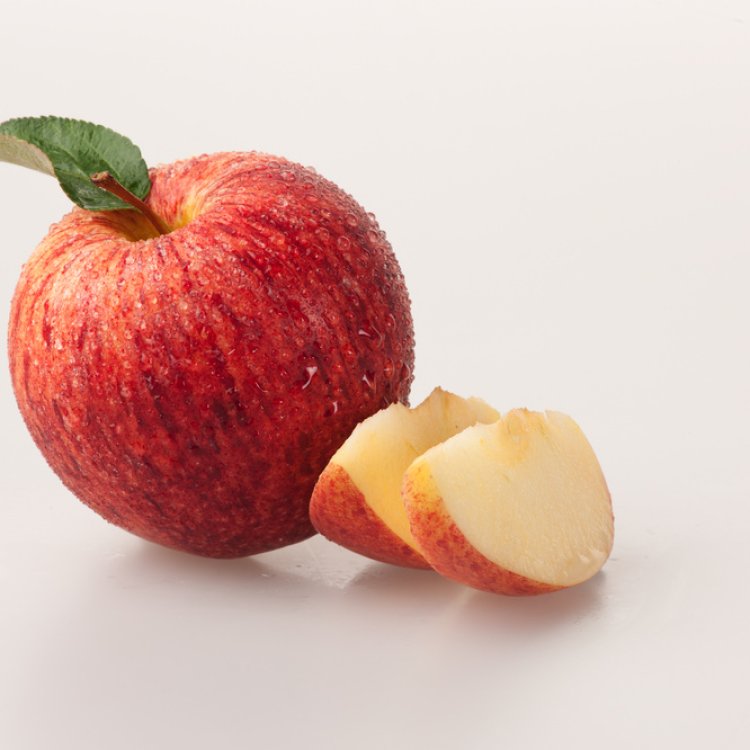
The ‘Gala’ apple is ready for harvest from late August into September in UK gardens. Its skin often shows a distinctive red blush over a yellow background. The crisp, sweet flesh holds a superb aromatic flavour, making it a firm favourite for fresh eating. However, you can also use these apples in baking or for juicing.
This apple tree proves adaptable in the garden. For example, you might plant it as a specimen tree in a lawn or as part of a small orchard. Pruning truly benefits the Gala Apple Tree. Regular pruning helps maintain a healthy structure, encourages better air circulation, and ensures a bountiful fruit harvest.
Young trees require formative pruning; established trees benefit from regular thinning and spur pruning. Early spring flowers provide important food for pollinating insects, especially bees. Later, fallen apples offer food for ground-feeding birds and small mammals, thereby supporting garden biodiversity.
Very hardy. Tolerates temperatures typical of a continental winter.
For a healthy Malus domestica 'Gala', ensure regular watering, particularly during dry spells and while the tree establishes. Apply a balanced granular fertiliser in early spring to support growth and fruit development. Pruning is crucial; conduct formative pruning for young trees and winter pruning (November to March) for established trees to remove dead, diseased, or crossing branches, and to encourage new fruiting wood. Summer pruning (after harvest) can help manage vigour and improve fruit ripening. Monitor for common apple pests like codling moth and diseases such as apple scab, treating as necessary to maintain tree health.
This plant is deciduous so it will lose all of its leaves in the autumn and get fresh new foliage each spring.