£18.20 – £20.56Price range: £18.20 through £20.56
Malus domestica ‘Discovery’ is a popular British apple tree, yielding crisp, sweet-tart apples in late summer. Enjoy beautiful spring blossoms and delicious fruit perfect for eating fresh from the tree, a true UK garden delight.
500 in stock
Discover the joy of growing your own crisp, sweet Malus domestica ‘Discovery’ apples, a beloved British variety perfect for any UK garden.
Malus domestica ‘Discovery’, also widely known as the ‘Discovery Apple’, is a cherished early-season apple. Gardeners celebrate it for its vibrant colour and refreshing taste. Originating from Essex in the UK, this cultivar has become a firm favourite amongst home gardeners. Its reliable performance and delicious fruit make it an excellent addition to any orchard or garden. Moreover, it brings beautiful spring blossoms that truly brighten the landscape. This tree consistently produces a good yield.
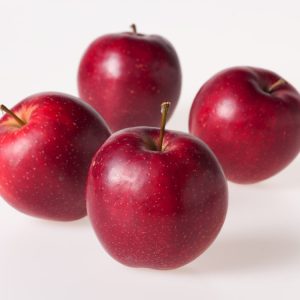
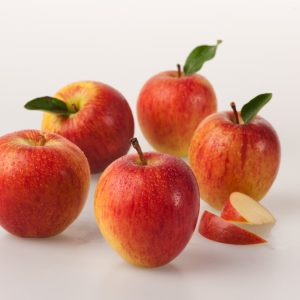
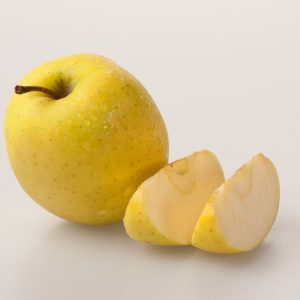
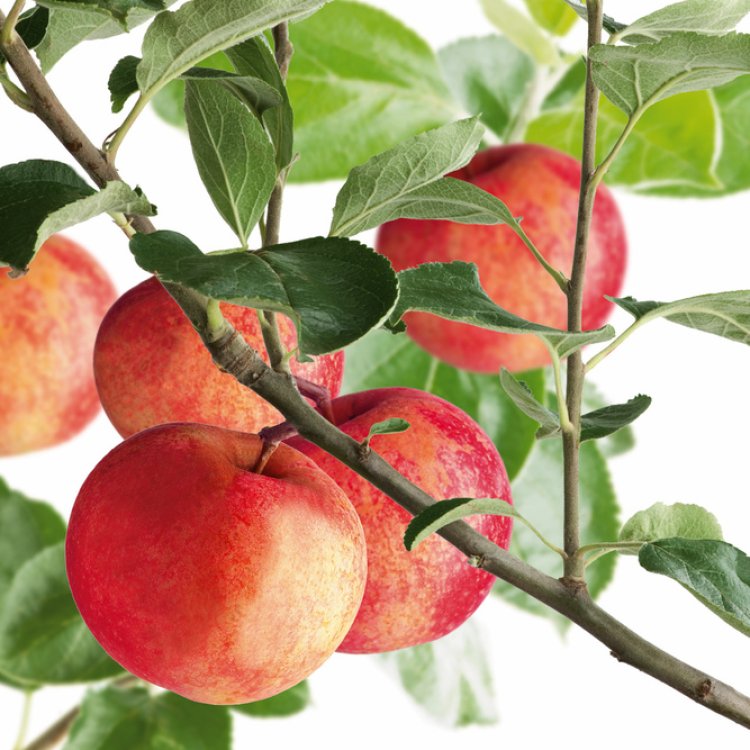
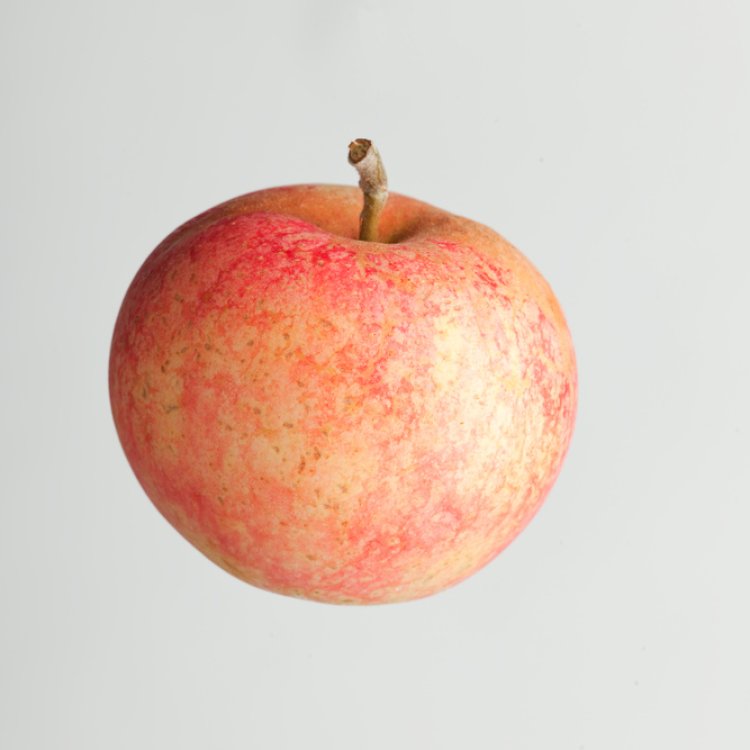
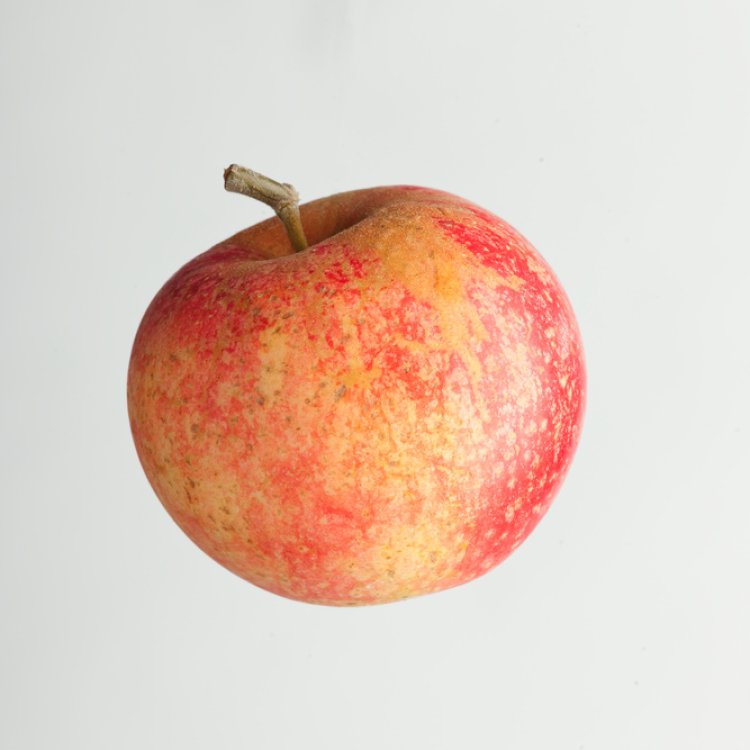
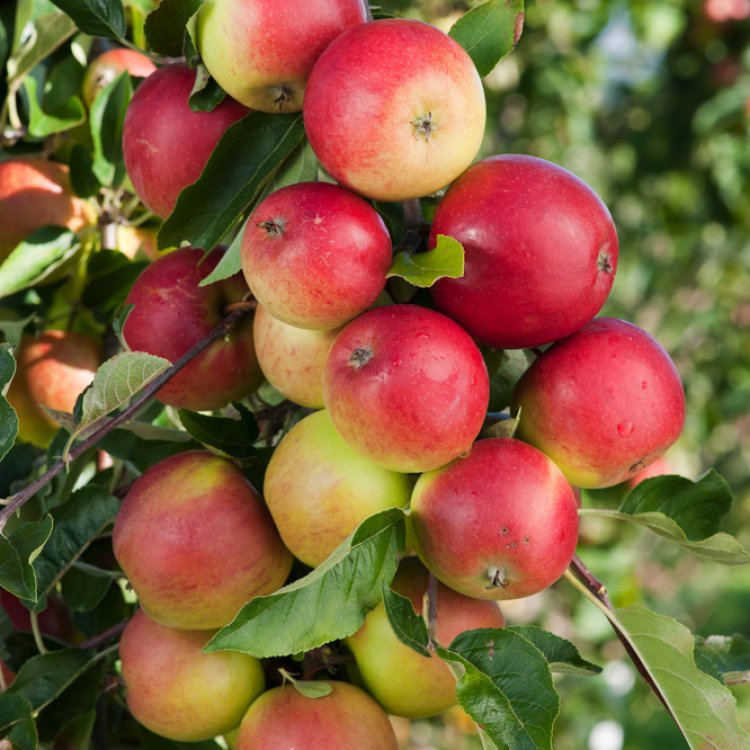
The Malus domestica ‘Discovery’ apple tree offers a delightful blend of ornamental beauty and fruitful reward. Growers specifically value this cultivar for its early ripening period and distinct flavour. It develops lovely pinkish-white blossoms in spring. These blooms transform into vibrant, medium-sized apples. They showcase a bright red flush over a pale green-yellow skin. The flesh inside is notably crisp and juicy, providing a superb sweet-tart balance. Consequently, many consider it a perfect eating apple directly from the tree.
This celebrated apple originated in Essex, England, during the 1940s. A keen amateur horticulturist, George Dummer, crossed ‘Worcester Pearmain’ with ‘Beauty of Bath’. Then, Jack Matthews of Thurston, Suffolk, introduced it commercially in 1962. He named it ‘Discovery’. This reflects its relatively recent ‘discovery’ and introduction to the world of apples. The tree became instantly popular. It quickly established itself as a garden staple across the UK.
Malus domestica ‘Discovery’ thrives in a full sun position within a UK garden. It develops a good structure and is relatively easy to manage. Gardeners often prune this tree in winter. This practice helps maintain its shape and encourages better fruit production.
Moreover, the tree provides valuable habitat and food for local wildlife. Its spring flowers are a magnet for bees and other vital pollinators. Later, any unharvested fruit offers sustenance for birds during the autumn months. Thus, it plays an important role in supporting garden biodiversity. This reliable tree provides both beauty and bounty, making it a fantastic choice for many British gardens.
Very hardy. Tolerates temperatures typical of a continental winter.
Provide regular watering, especially during dry spells and when fruit is developing. Feed in spring with a balanced fertiliser. Prune in winter to maintain shape, remove dead/diseased wood, and encourage better fruit production. Monitor for common apple pests and diseases.
This plant is deciduous so it will lose all of its leaves in the autumn and get fresh new foliage each spring.