£18.20 – £20.56Price range: £18.20 through £20.56
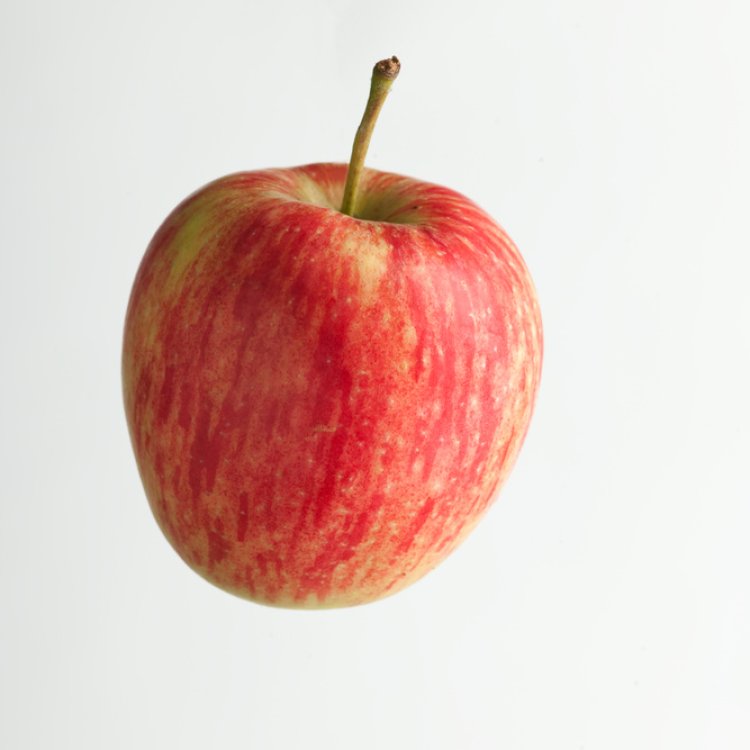
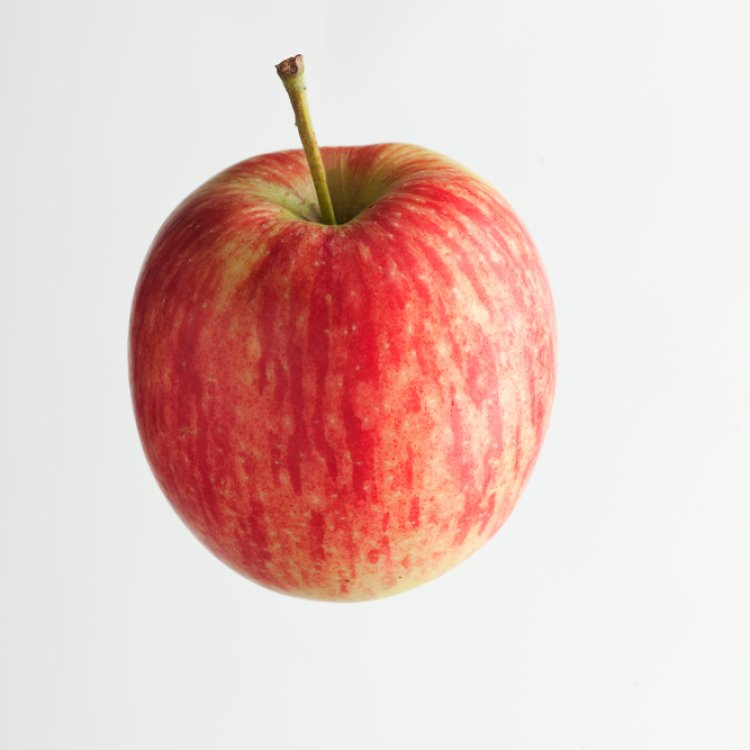
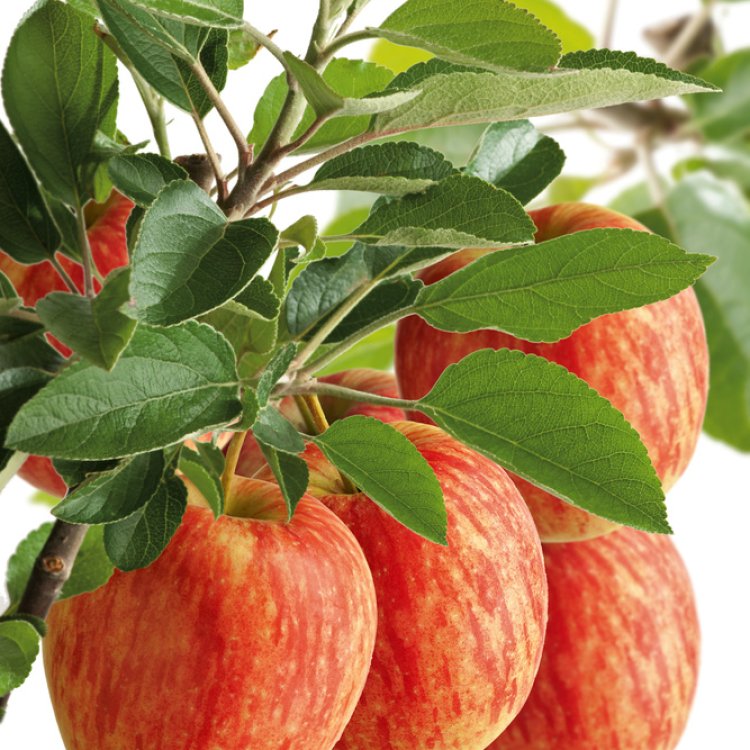
Malus domestica ‘Benoni’ is a heritage dessert apple, yielding crisp, sweet-tart fruit from late August. Its lovely spring blossoms attract bees, while the tree provides delicious homegrown apples and a charming garden feature.
500 in stock
Discover Malus domestica ‘Benoni’, a delightful dessert apple tree, perfect for UK gardens, offering crisp, sweet-tart fruit and charming spring blossoms. This classic American cultivar brings a touch of heritage and flavour to any outdoor space.
The ‘Benoni’ apple tree is a truly wonderful addition for fruit enthusiasts across the United Kingdom. It consistently produces attractive and delicious fruit, making it a garden favourite. Moreover, its beautiful spring flowers provide a stunning visual display before the fruit develops, enhancing the appeal of your garden throughout the seasons. This variety establishes well in most UK climates, proving itself a reliable choice for homegrown apples.
The Malus domestica ‘Benoni’ is an esteemed apple cultivar. It first appeared in Massachusetts, USA, around 1832. This variety quickly gained popularity for its excellent eating qualities. It ripens in late summer, typically from late August into September, offering a fresh, homegrown treat. Its name, ‘Benoni’, holds an interesting biblical connection. The specific reason for its application to this apple remains a charming mystery, hinting at its historical depth.
Throughout spring and summer, the Malus domestica ‘Benoni’ displays lush, vibrant green foliage. These healthy leaves provide an attractive backdrop for the developing fruit. As autumn nears, the foliage transitions into lovely yellow hues, adding seasonal colour to your garden before falling.
Importantly, each spring, usually in late April or May, the tree becomes adorned with a profusion of white to pale pink flowers. These blossoms are not only beautiful; they are vital. They draw in bees and other beneficial pollinating insects, greatly enhancing garden biodiversity.
Planting Malus domestica ‘Benoni’ is an excellent choice for a productive kitchen garden. It also works well as an attractive feature in a mixed border. It can stand proudly as a specimen tree, offering both beauty and bounty to your outdoor space.
Furthermore, the tree’s springtime flowers play a crucial role in supporting local wildlife. Bees, for instance, flock to the abundant nectar and pollen, aiding cross-pollination. Later in the year, any fruit left on the tree provides a valuable food source for birds and other small garden creatures, especially as colder months arrive.
To ensure healthy growth and a bountiful harvest, the Malus domestica ‘Benoni’ benefits from regular pruning. Formative pruning during its early years helps establish a strong structure. This sets the tree up for long-term health and productivity.
Subsequently, annual maintenance pruning removes dead or diseased wood. It also encourages an open canopy. This practice improves air circulation and light penetration. In turn, this promotes better fruit development. Understanding its needs helps cultivate a robust and productive apple tree for many years.
Very hardy. Tolerates temperatures typical of a continental winter.
Provide regular watering, particularly during dry periods and when fruit is developing. Feed annually in spring with a balanced general-purpose fertiliser. Prune in winter when dormant to maintain an open canopy, remove dead or diseased wood, and encourage fruit production. Thin fruits in early summer if a heavy crop is set, to ensure larger, healthier apples. Monitor for common apple pests and diseases.
This plant is deciduous so it will lose all of its leaves in the autumn and get fresh new foliage each spring.