£16.25 – £18.61Price range: £16.25 through £18.61
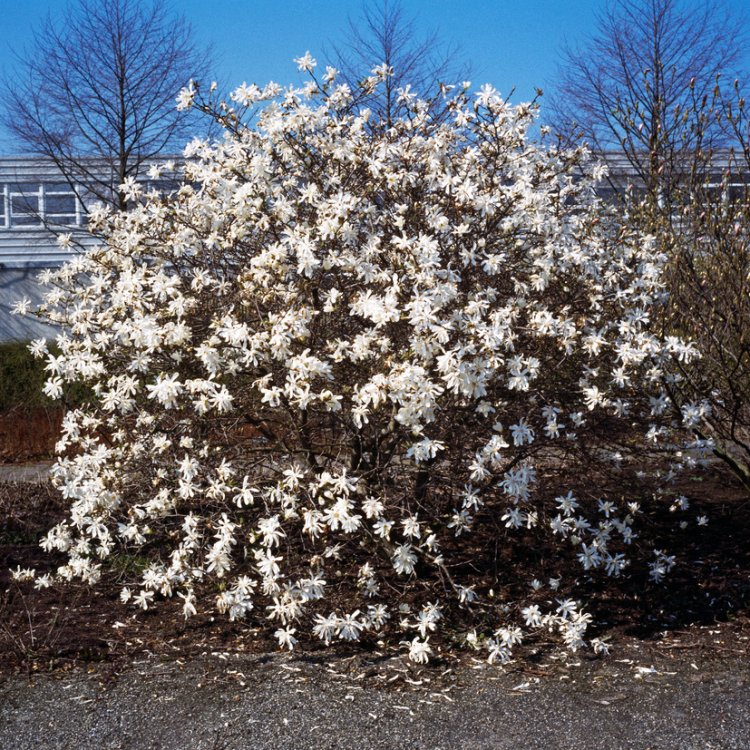
Magnolia stellata ‘Royal Star’ is a beautiful Star Magnolia, celebrated for its spectacular display of pure white, star-shaped flowers in early spring. This compact, deciduous shrub offers a stunning floral show, perfect for any UK garden seeking early season charm.
229 in stock
Magnolia stellata ‘Royal Star’ illuminates early spring gardens with its profusion of delicate, star-shaped white flowers, signalling the season’s joyful arrival.
The charming Star Magnolia, Magnolia stellata ‘Royal Star’, offers an outstanding display of pristine white blooms. These appear long before other plants awaken. This beautiful deciduous shrub or small tree brings elegance to any UK garden. Its compact size makes it perfect for smaller spaces. Furthermore, its early flowering brings much-needed colour and life after winter. Gardeners often choose it for its reliable and spectacular floral show.
Magnolia stellata ‘Royal Star’ captivates with its spectacular early spring blossom. Each flower features numerous slender, strap-like petals. These typically number between 18 to 25. The petals open wide to form a perfect star. While in bud, these exquisite blooms are often a blush pink. Then, they unfold into a brilliant, pure white. Moreover, their gentle fragrance adds another layer of sensory delight to the garden. As a result, this Star Magnolia becomes a focal point during a time when few other plants are in flower. Its presence truly brightens the landscape.
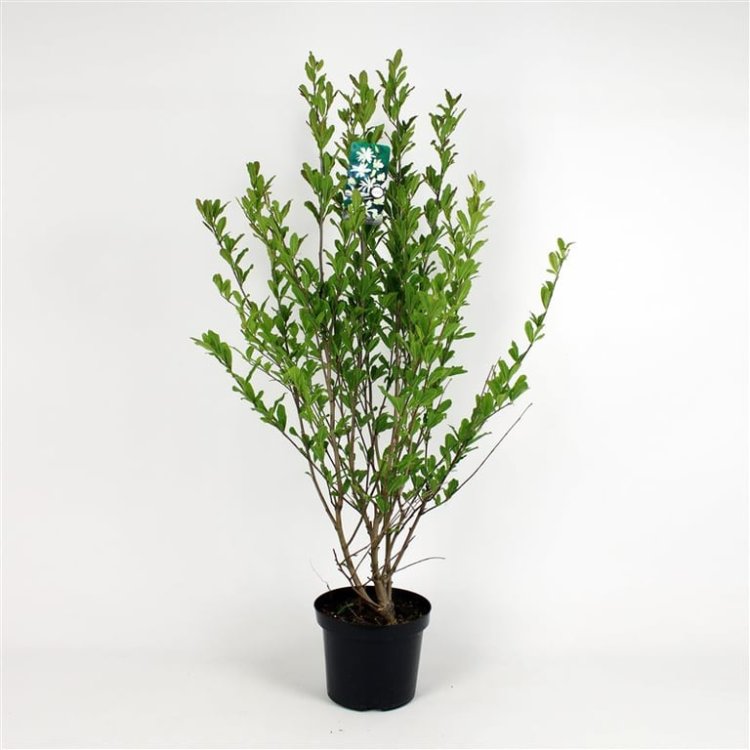
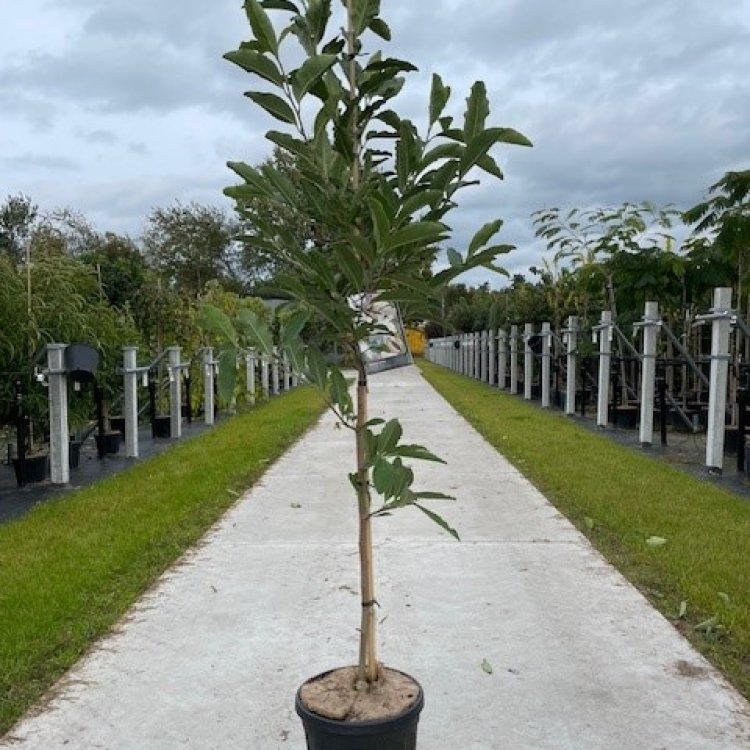
Following its floral performance, the Magnolia stellata ‘Royal Star’ develops fresh green, ovate leaves. These emerge after the flowers. They create a lush, verdant canopy throughout the summer months. Consequently, it provides a pleasant backdrop for later-flowering plants. As autumn arrives, the foliage transitions beautifully. It displays warm bronze and yellow hues before eventually falling. This particular cultivar maintains a neat, rounded habit. Therefore, it is an excellent choice for a variety of garden settings. It typically grows as a multi-stemmed shrub. Yet, it can also be trained into a small, elegant tree.
The name ‘Magnolia’ honours Pierre Magnol. He was a distinguished French botanist. The species epithet ‘stellata’ translates from Latin as “star-shaped.” This perfectly describes its unique blooms. ‘Royal Star’ is a specific cultivar. It is celebrated for its larger flowers and vigorous flowering. This adaptability allows it to thrive in shrub borders, woodland edges, or as a striking standalone specimen. Furthermore, its compact nature means it is ideal for smaller gardens. It also suits growing in large containers on patios. Minimal pruning is usually needed. Simply remove any dead or damaged wood after the flowering period. This maintains its shape and health. The early spring flowers also offer a vital food source for early emerging bees. Hence, it supports local wildlife.
Very hardy. Tolerates temperatures typical of a continental winter.
Magnolia stellata 'Royal Star' thrives with consistent care. Water regularly, especially during dry spells and in its first year of establishment. Annually, apply a generous mulch of well-rotted compost or manure around the base in early spring to retain moisture and enrich the soil. Feed with a balanced, slow-release fertiliser at the same time. Pruning needs are minimal; simply remove any dead, damaged, or crossing branches immediately after flowering to maintain its attractive shape. Protect early blooms from late spring frosts, particularly in exposed locations. Ensure the soil remains moist but well-drained and slightly acidic for optimal health.
This plant is deciduous so it will lose all of its leaves in the autumn and get fresh new foliage each spring.