£29.79 – £32.15Price range: £29.79 through £32.15
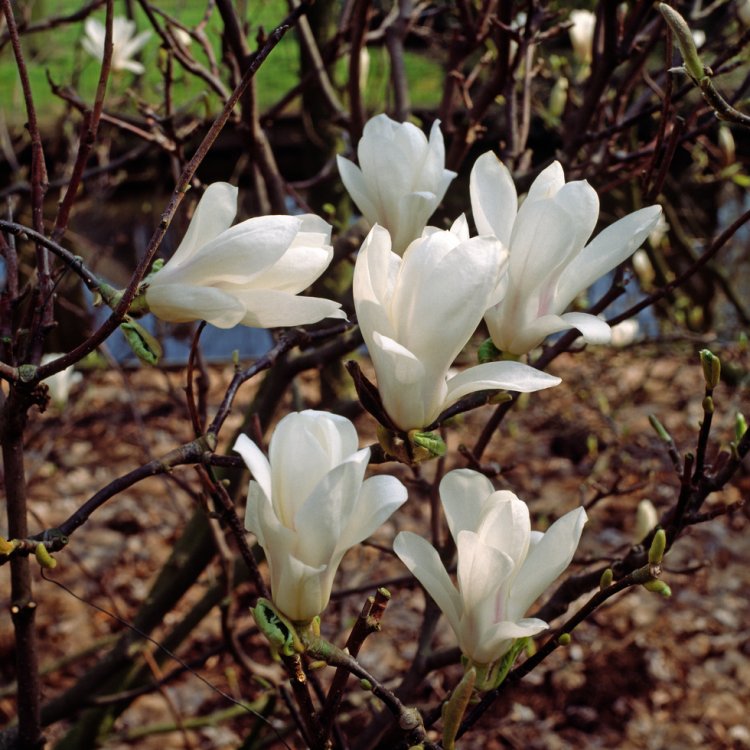
Magnolia soulangeana ‘Alba Superba’ offers truly magnificent, pure white, cup-shaped flowers, heralding spring’s arrival in UK gardens. This deciduous tree provides an elegant, fragrant display on bare branches, captivating onlookers with its stunning early bloom.
98 in stock
Magnolia soulangeana ‘Alba Superba’ graces UK gardens with magnificent, pure white, cup-shaped flowers, heralding spring’s arrival and offering an elegant display.
This spectacular deciduous tree, Magnolia soulangeana ‘Alba Superba’, is a truly breath-taking sight in any garden, particularly throughout early spring. As winter loosens its grip, its magnificent pure white blooms emerge boldly on bare branches, creating a dramatic and elegant spectacle. Gardeners across the UK cherish this cultivar for its stunning floral display, which truly signifies the start of a new growing season. Its robust nature and manageable size make it a superb choice for various landscape designs.
The botanical name Magnolia honours Pierre Magnol, a notable French botanist. Meanwhile, the species name soulangeana pays tribute to Étienne Soulange-Bodin, who first bred this hybrid in France during the early 19th century. This specific cultivar, ‘Alba Superba’, truly lives up to its name, meaning ‘white superb’. It offers an exceptional display of pristine white blooms. Across the UK, people often call this plant a Saucer Magnolia or Japanese Magnolia. It reliably delivers a show-stopping performance each spring, captivating all who see it.
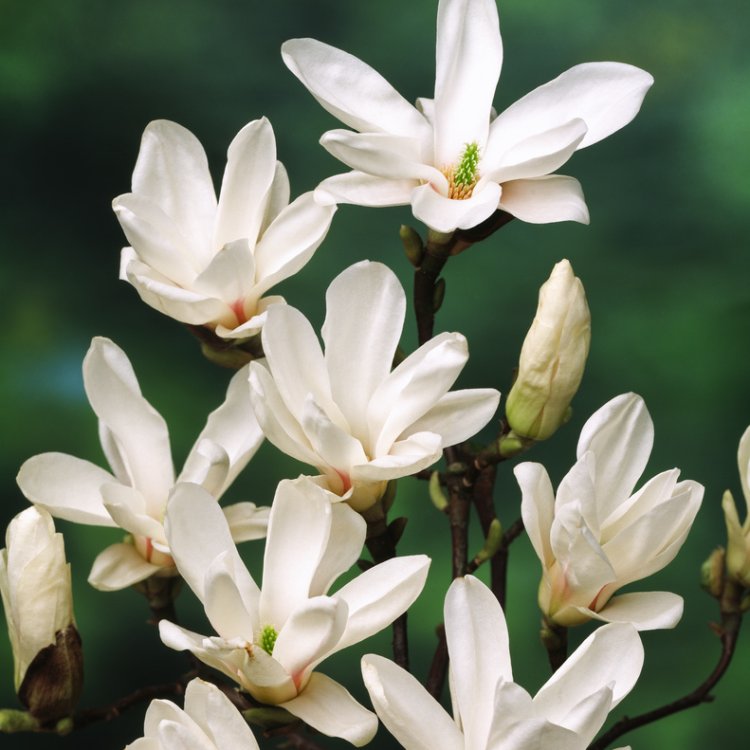
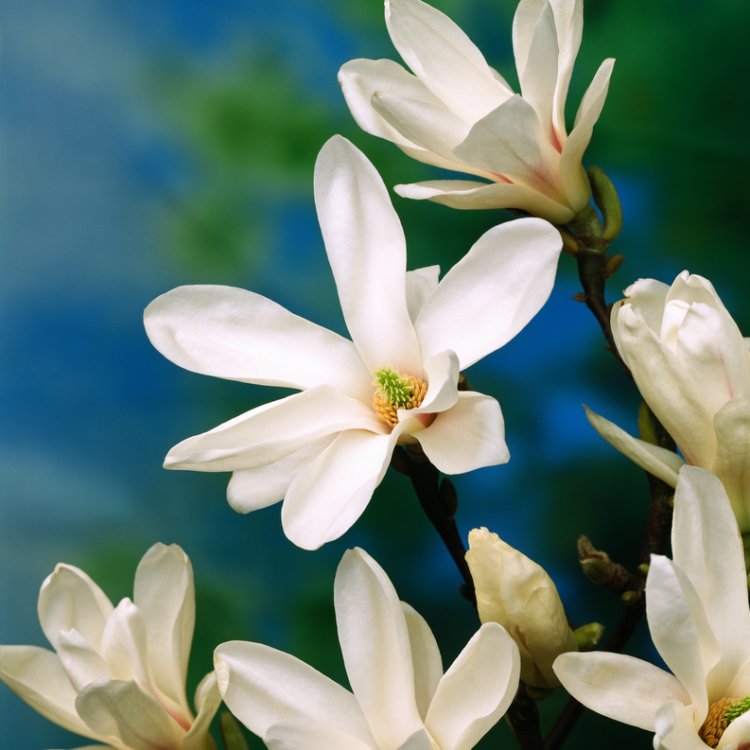
In late March or early April, large, goblet-shaped flower buds of Magnolia soulangeana ‘Alba Superba’ swell on bare branches. Soon after, these open into truly magnificent, pure white flowers, typically measuring up to 20cm across. The petals are thick and waxy, creating a refined look. A subtle green blush often appears at their base. Furthermore, the flowers exude a delicate, sweet fragrance, enriching the early spring air. This marks a stunning visual and olfactory delight.
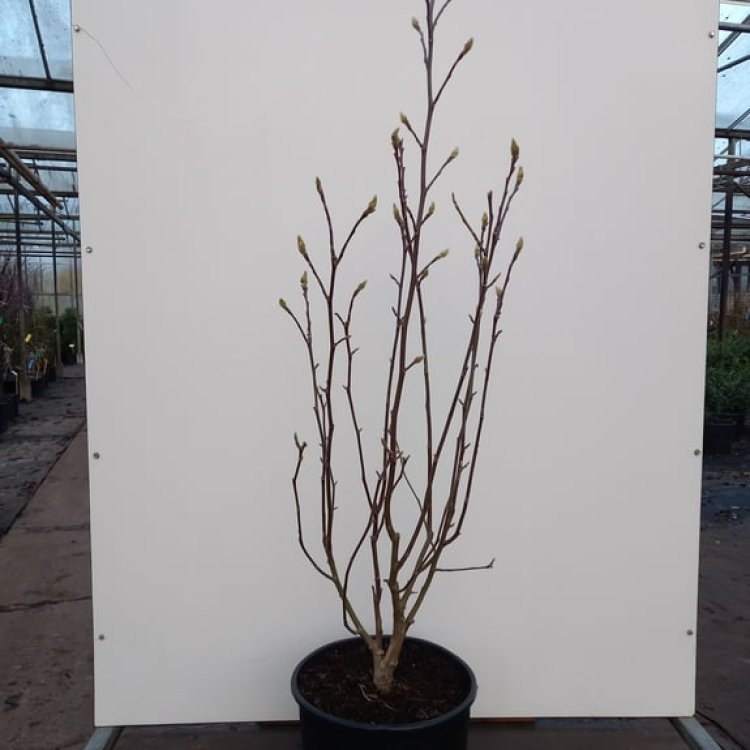
Following the spectacular floral display, this Magnolia’s deciduous leaves emerge. They are medium-green, broadly ovate, and maintain a fresh appearance throughout summer. As autumn approaches, the foliage transitions to a soft yellow hue, subsequently falling gracefully. This plant develops into a handsome, spreading, multi-stemmed large shrub or small tree. Its open structure and elegant branching provide architectural interest even in winter. It gradually forms a beautiful, rounded crown, creating a significant presence.
Gardeners commonly use Magnolia soulangeana ‘Alba Superba’ as a specimen tree. It creates a stunning focal point in lawns or within a mixed border. Its spreading habit makes it an excellent choice as a backdrop to smaller plants. It prefers a sheltered spot, protecting early blooms from late frosts and strong winds. Despite this, it adapts well. Moreover, the early spring flowers are vital for early-emerging bees and other beneficial insects. Therefore, this supports local wildlife populations effectively.
Generally, Magnolia soulangeana ‘Alba Superba’ requires minimal pruning. However, remove any dead, damaged, or crossing branches to maintain health and shape. Always perform this task immediately after flowering, before new growth hardens. This timing helps avoid reducing the following year’s bloom. Avoid heavy or drastic pruning whenever possible. Such actions can stress the plant and impair its natural, elegant form. Correct initial placement also greatly reduces the need for future interventions.
Very hardy. Tolerates temperatures typical of a continental winter.
Magnolia soulangeana 'Alba Superba' prefers a sheltered spot, away from strong winds and late spring frosts which can damage early blooms. Plant in well-drained, humus-rich, slightly acidic to neutral soil. Mulch annually with well-rotted compost or leaf mould to retain moisture and suppress weeds, avoiding direct contact with the stem. Water regularly during dry spells, especially in the first few years after planting. Prune minimally; only remove dead, damaged, or crossing branches immediately after flowering. Avoid heavy pruning. Generally, Magnolias are not prone to many pests or diseases, but watch for magnolia scale or honey fungus in poorly drained conditions.
This plant is deciduous so it will lose all of its leaves in the autumn and get fresh new foliage each spring.