£19.80 – £22.16Price range: £19.80 through £22.16
Magnolia sieboldii, Siebold’s Magnolia, is a charming deciduous tree offering fragrant white flowers with crimson centres from June to August. It provides a long-lasting summer display, attracting pollinators and adding elegant structure to UK gardens.
52 in stock
Discover Magnolia sieboldii, a captivating deciduous tree offering elegant, fragrant flowers and delightful autumn foliage to brighten any UK garden.
Magnolia sieboldii, often known as Siebold’s Magnolia or Korean Mountain Magnolia, brings a unique charm to British landscapes. This beautiful plant hails from East Asia, specifically Japan, Korea, and parts of China, where it thrives in mountainous woodlands. It arrived in Europe during the 19th century, gaining its name from Philipp Franz von Siebold, a renowned German physician and botanist who introduced many Japanese plants to the West. This magnolia offers visual delight from late spring right through summer, adding grace and a subtle perfume to your outdoor space.
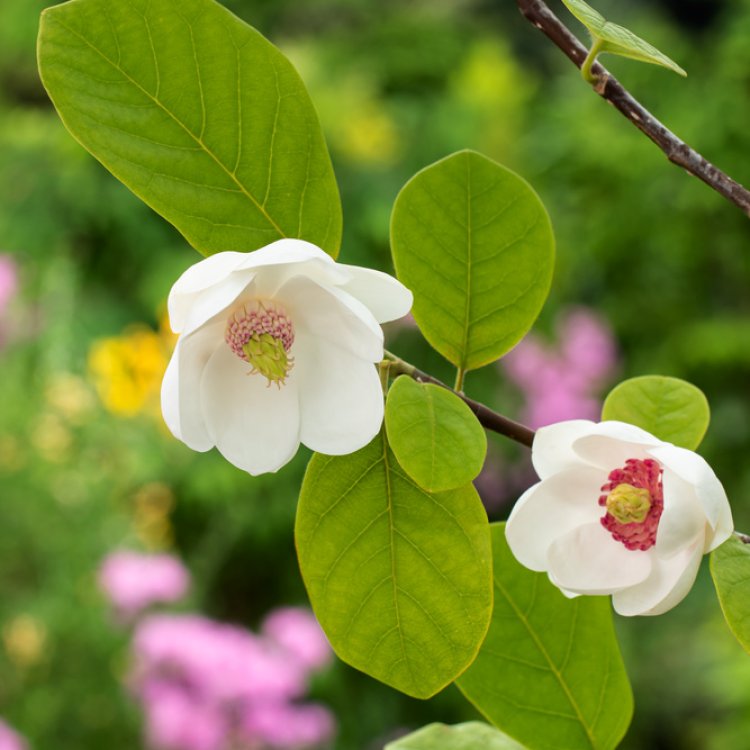
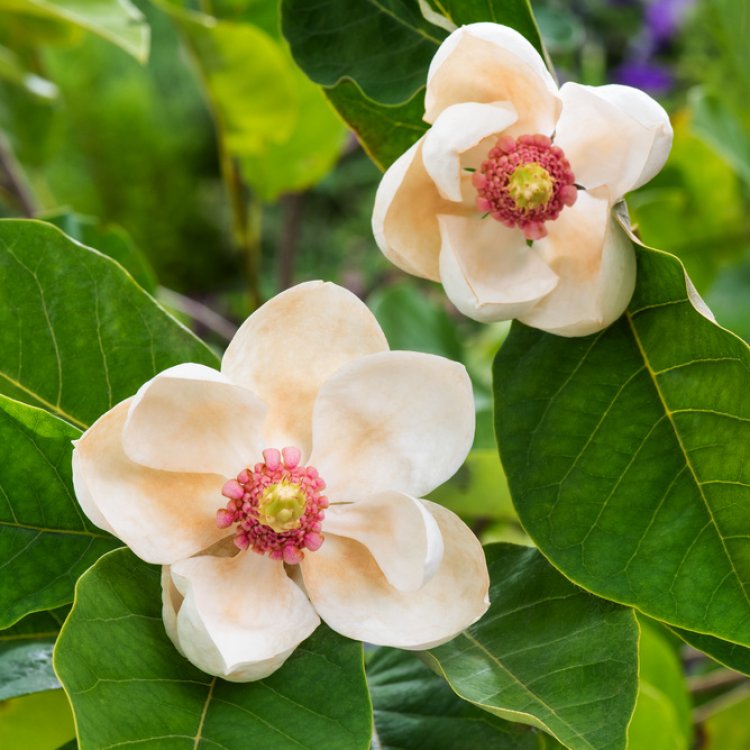
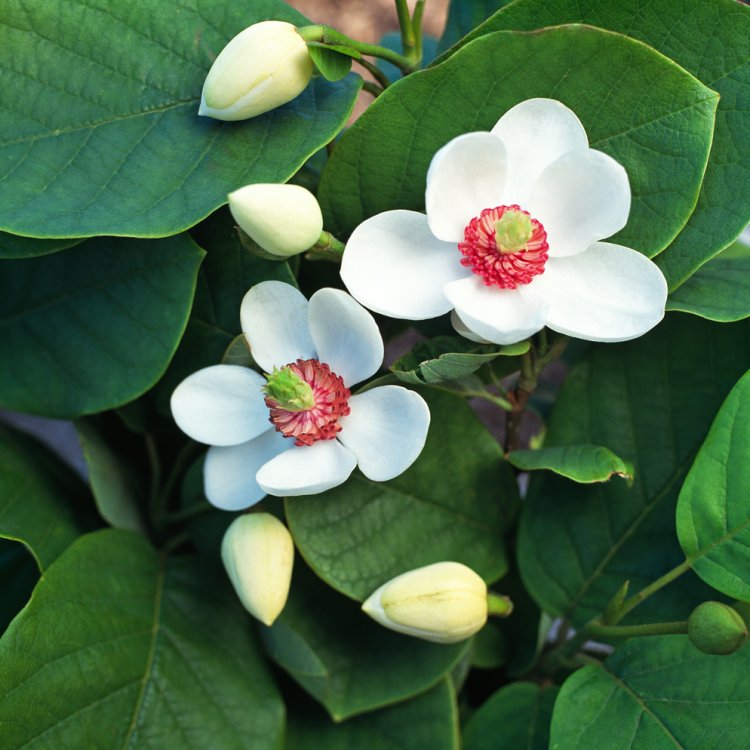
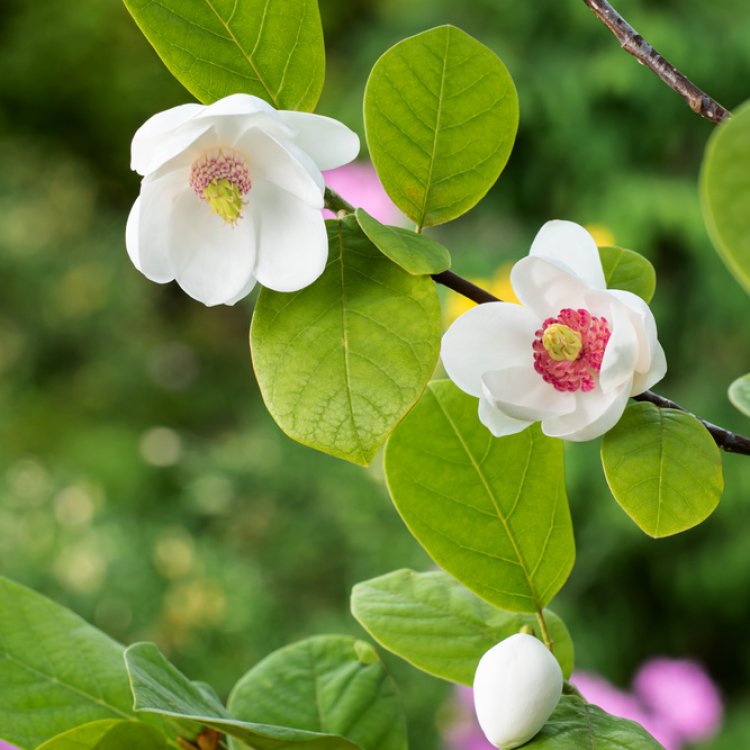
The true allure of Magnolia sieboldii lies in its exquisite flowers. Unlike many magnolias that bloom in early spring, this species offers a prolonged display from June through to August. Its pendulous, cup-shaped white blossoms emerge, each measuring around 7-10 cm across. Furthermore, they feature striking rose-crimson stamens, creating a beautiful central contrast. These blooms hang delicately, releasing a captivating lemon fragrance, especially noticeable on warm summer evenings. This late flowering ensures a delightful presence in your garden when other magnolias have finished their show.
Beyond its flowers, Siebold’s Magnolia provides a pleasing structure. Its ovate leaves are mid-green, creating a fresh backdrop for the pristine white blooms. As seasons progress, the foliage transitions to an attractive yellow-green before falling in autumn. This deciduous nature ensures winter interest with its elegant branch structure. Magnolia sieboldii grows into a spreading small tree or a multi-stemmed large shrub. It generally reaches 4-5 metres tall with a similar spread in UK gardens. This makes it a manageable yet impactful specimen.
This resilient plant adapts well to various garden settings. It makes a stunning specimen tree in a lawn, allowing its graceful form to be fully appreciated. Conversely, you can incorporate it into mixed borders or woodland-style gardens. It thrives in positions with partial sun or dappled shade. It particularly benefits from protection from harsh afternoon sun. Pruning is not typically required, yet you can shape young plants to encourage a good framework. This practice helps maintain its natural, elegant silhouette. Furthermore, the charming flowers attract bees and other pollinators, adding to your garden’s biodiversity. Therefore, Magnolia sieboldii offers beauty and ecological benefit.
Very hardy. Tolerates temperatures typical of a continental winter.
Magnolia sieboldii thrives in well-drained, fertile, slightly acidic soil. Choose a sheltered spot that receives partial sun or dappled shade, protecting it from strong winds and harsh afternoon sun. Water regularly, especially during dry spells and in its first few years, to ensure good establishment. Apply a balanced, slow-release fertiliser in spring, and mulch around the base with organic matter to retain moisture and suppress weeds. Pruning is generally minimal, focusing on removing any dead, diseased, or crossing branches in late summer after flowering to avoid bleeding sap. Young plants can be lightly shaped to establish a strong framework.
This plant is deciduous so it will lose all of its leaves in the autumn and get fresh new foliage each spring.