£24.97 – £27.32Price range: £24.97 through £27.32
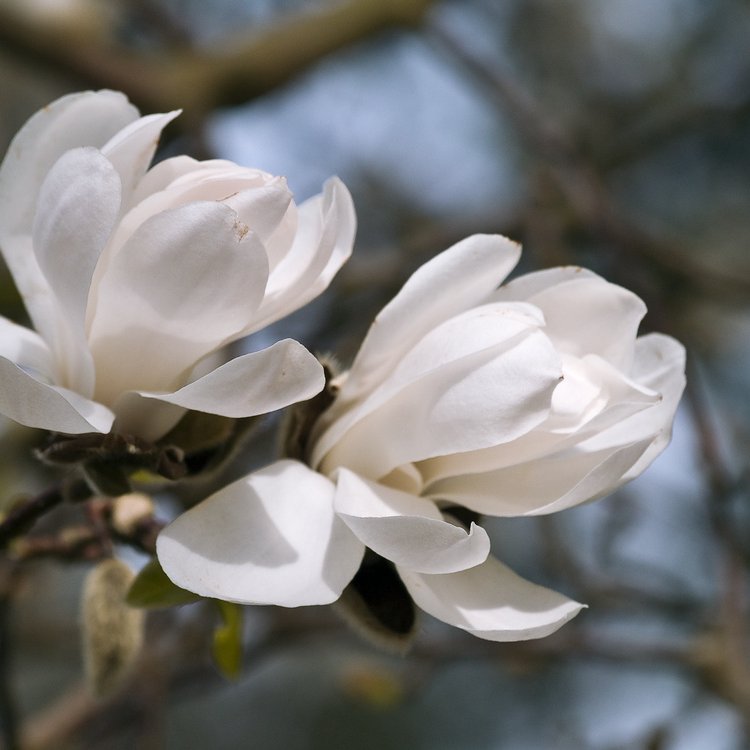
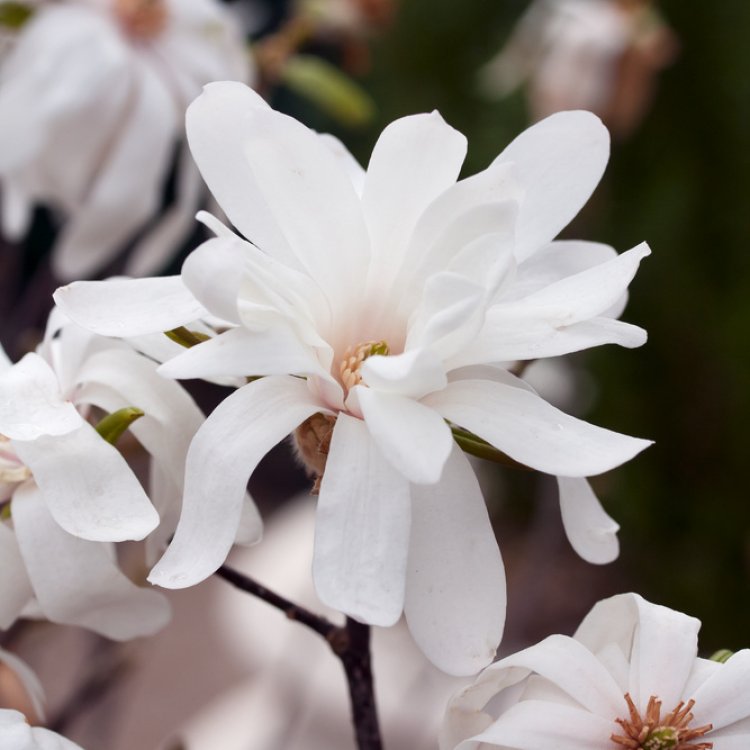
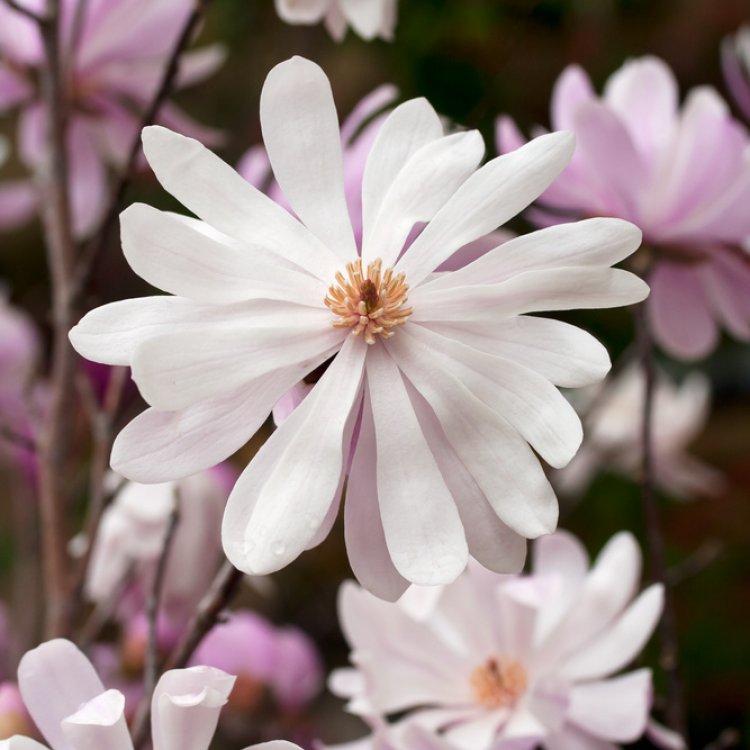
Magnolia loebneri ‘Merrill’ offers a spectacular display of pure white, star-shaped flowers in early spring, often with a pink blush. This elegant, compact deciduous tree is perfect for adding significant visual interest to any UK garden, providing a valuable early nectar source for pollinators.
21 in stock
Magnolia loebneri ‘Merrill’ stands out as a magnificent deciduous tree, gracing UK gardens with its early spring blossoms and elegant form.
This esteemed hybrid magnolia is celebrated for its spectacular floral display, truly marking the arrival of spring. It was developed from a cross between Magnolia kobus and Magnolia stellata. ‘Merrill’ therefore combines the best traits of its parents, offering a robust and ornamental specimen. Its appealing upright habit matures into a broad, rounded shape. Thus, it makes an excellent choice for a variety of garden settings across the British Isles, bringing significant visual interest.
The enchanting Magnolia loebneri ‘Merrill’ is a superb choice for gardeners seeking an outstanding early spring display. This cultivar, named after Dr. Elmer Drew Merrill, a renowned American botanist, combines resilience with beauty. It emerged from a purposeful cross at the Arnold Arboretum. This cross specifically blended the hardiness of Magnolia kobus with the star-like blooms of Magnolia stellata. As a result, it presents a plant of distinguished vigour and floriferousness.
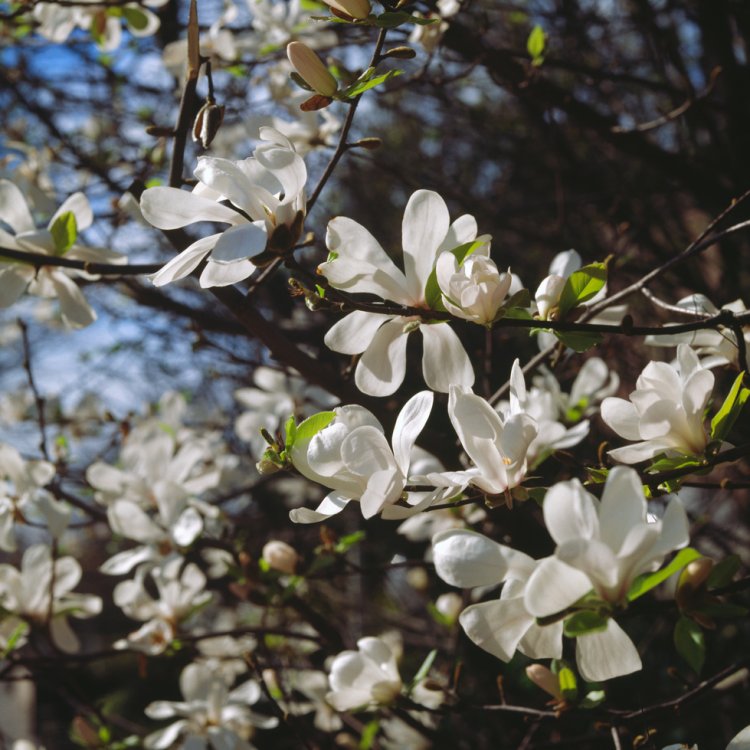
Indeed, its most striking feature is the profusion of delicate, pure white flowers. These star-shaped blossoms often feature a subtle hint of pink at their base, lending them an extra touch of elegance. Importantly, they burst open on bare branches in March or April, depending on UK conditions.
The flowers release a light, pleasant fragrance. Following this floral show, fresh green, ovate leaves unfurl, creating a lush canopy throughout summer. Come autumn, these leaves transition to appealing shades of yellow and bronze, offering further seasonal interest.
This magnolia adapts well to various garden roles. It serves as an excellent specimen tree, forming a captivating focal point in lawns. Furthermore, its manageable size means it fits beautifully into smaller urban gardens or mixed borders. Gardeners also use it effectively in woodland settings or for creating informal screens.
The tree develops an upright, pyramidal habit when young. This gradually broadens into a more rounded, open crown as it matures. Therefore, consider its mature shape and potential spread when choosing its final position.
Beyond its aesthetic appeal, Magnolia loebneri ‘Merrill’ provides significant ecological value. Its early spring flowers emerge at a crucial time when food sources for pollinators are scarce. Consequently, emerging bees and other beneficial insects are strongly drawn to its abundant nectar and pollen. Planting this magnolia supports local wildlife, helping to sustain vital insect populations early in the season.
Pruning requirements for this magnolia are generally minimal. It naturally forms an attractive shape. However, you should remove any dead, diseased, or crossing branches to maintain plant health and air circulation. The best time for such maintenance is immediately after flowering in late spring. This timing ensures you do not inadvertently remove flower buds for the following year. Avoid heavy pruning as this can disfigure the tree.
Very hardy. Tolerates temperatures typical of a continental winter.
Ensure regular watering, especially during dry spells and establishment. Feed in spring with a balanced, slow-release fertiliser. Prune minimally after flowering to remove dead, diseased, or crossing branches; avoid heavy pruning. Protect early blooms from late frosts in exposed locations. Apply a spring mulch to retain moisture and suppress weeds.
This plant is deciduous so it will lose all of its leaves in the autumn and get fresh new foliage each spring.