£45.29 – £46.94Price range: £45.29 through £46.94
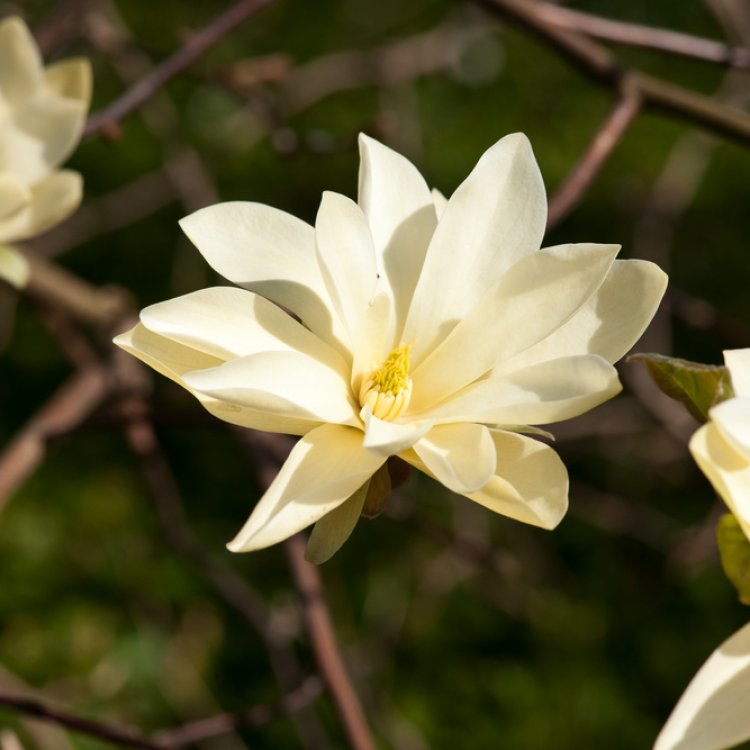
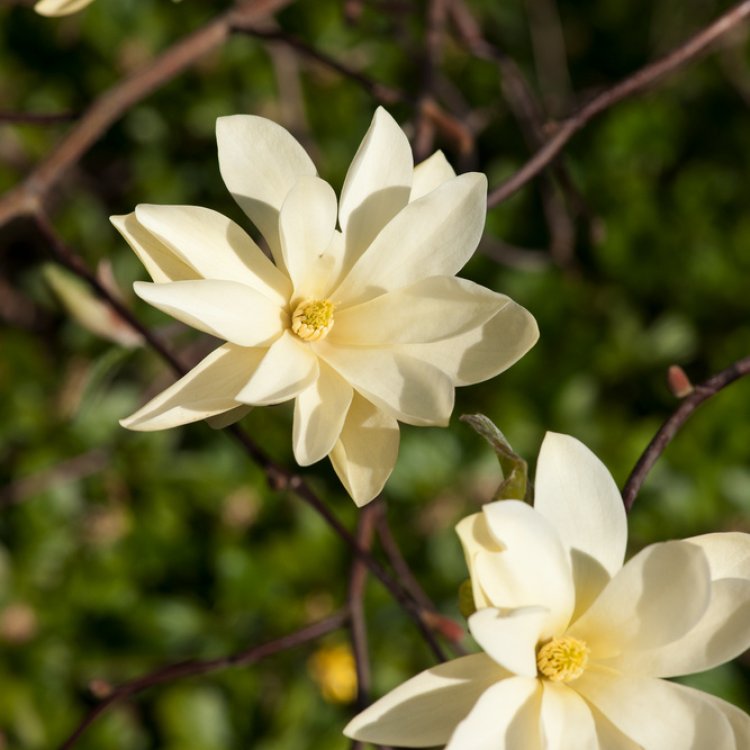
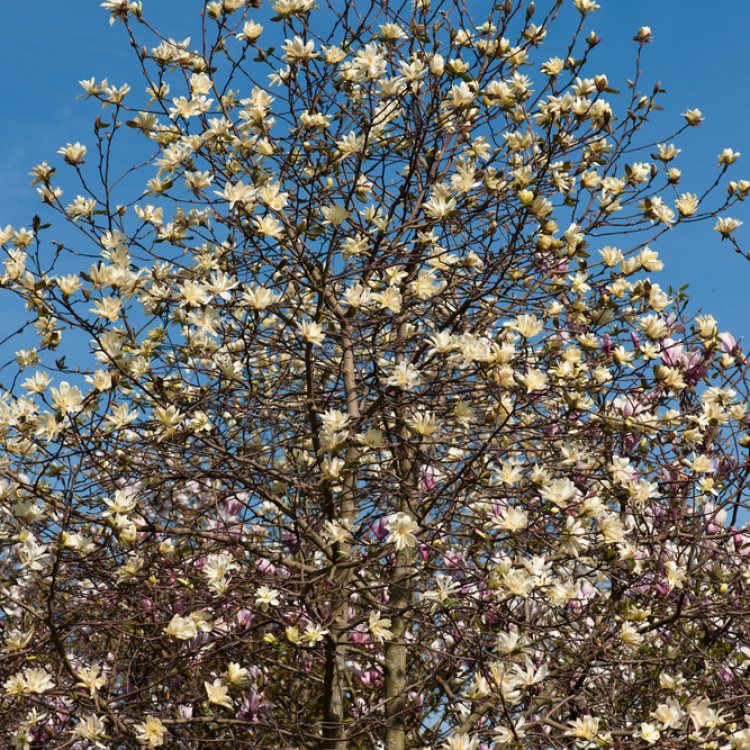
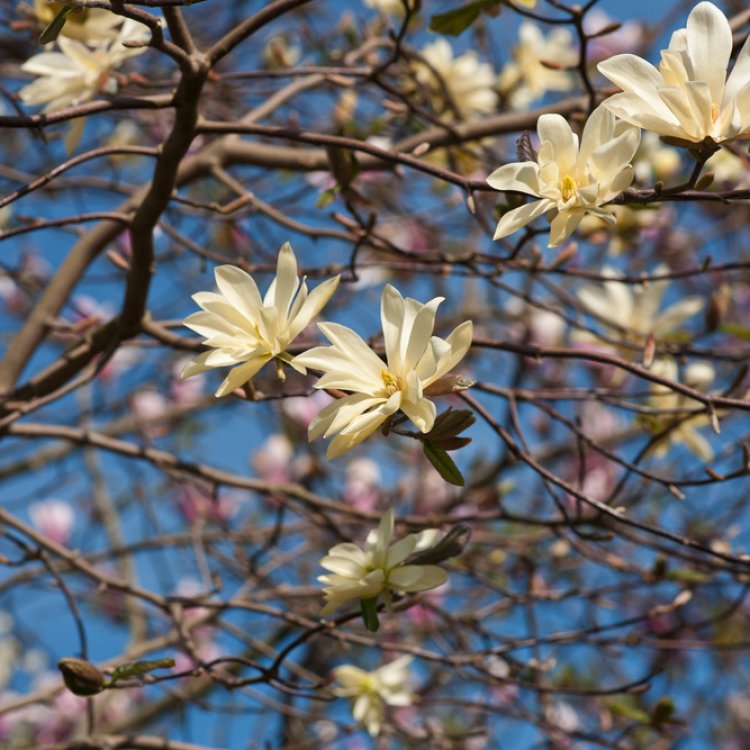
Magnolia ‘Gold Star’ graces UK gardens with stunning, pale yellow, star-shaped flowers each spring. Its unique blooms appear on bare branches, bringing early colour and elegance before the foliage emerges, offering a truly captivating display.
10 in stock
Magnolia ‘Gold Star’ is a stunning deciduous tree, celebrated for its unique star-shaped, pale yellow flowers that herald the arrival of spring.
This exquisite magnolia offers a spectacular display each year. Its beautiful blooms emerge before the foliage, creating a striking visual impact in any UK garden. As a result, it brings welcome colour and elegance after the winter months. Moreover, its upright habit and graceful form ensure year-round appeal, even when not in flower. Gardeners truly cherish this plant for its early spring grandeur and remarkable aesthetic.
The name Magnolia ‘Gold Star’ perfectly describes this plant’s most captivating features. It is a distinguished hybrid, developed from a cross between Magnolia acuminata and Magnolia stellata. This parentage gives it robust nature and exquisite floral display. Each flower truly resembles a delicate star, further enhanced by its beautiful golden-yellow hue. This unique colour sets it apart from many other magnolias, which typically present white or pink blossoms.
During March and April, often before other trees show signs of life, Magnolia ‘Gold Star’ bursts into bloom. Elegant, star-shaped flowers emerge on bare branches. These blossoms have multiple tepals, offering a delicate yet impactful presence. Shortly after the floral show, its fresh green, oval-shaped leaves unfurl. These leaves then create a lush canopy throughout the summer. In autumn, the foliage typically turns an attractive yellow or bronze before falling, adding another seasonal highlight.
Gardeners often choose Magnolia ‘Gold Star’ as a striking specimen tree. It creates a strong focal point in a lawn or within a large border. Its moderate size also makes it an excellent choice for smaller gardens where vertical interest is desired. Furthermore, it suits mixed shrub borders or woodland-style settings. Its architectural form and spring flowering make it highly versatile. It attracts early pollinators, such as bees, which seek its rich pollen. Thus, it adds to garden biodiversity.
Pruning requirements for Magnolia ‘Gold Star’ are minimal. Generally, you should only remove dead, damaged, or crossing branches. Do this after flowering. This maintains the plant’s natural shape. Avoid heavy pruning, however, as magnolias can be sensitive to extensive cuts. Instead, focus on light formative pruning early on. This builds a strong framework. Ultimately, Magnolia ‘Gold Star’ offers enduring beauty and a truly memorable display each spring.
Very hardy. Tolerates temperatures typical of a continental winter.
Keep soil consistently moist, especially during dry spells and in the first few years after planting. Apply a balanced, slow-release fertiliser in spring, using an ericaceous feed if soil pH is borderline. Requires minimal pruning; only remove dead, damaged, or crossing branches after flowering. Avoid heavy pruning as magnolias can be sensitive. Protect young plants from severe frosts and strong winds by choosing a sheltered planting spot and mulching around the base in winter. Generally trouble-free, but monitor for scale insects or leaf spot.
This plant is deciduous so it will lose all of its leaves in the autumn and get fresh new foliage each spring.