£50.20 – £52.56Price range: £50.20 through £52.56
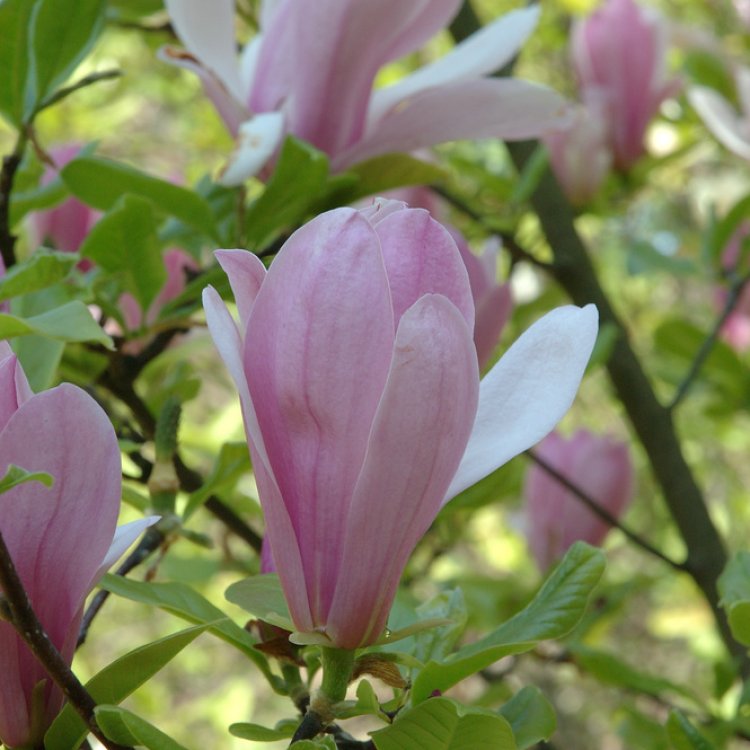
Magnolia ‘George Henry Kern’ is a compact deciduous magnolia offering exquisite purplish-pink and white goblet-shaped flowers in early spring. This slow-growing shrub or small tree is perfect for adding vibrant colour and supporting early pollinators in UK gardens.
170 in stock
Introducing Magnolia ‘George Henry Kern’, a truly stunning, compact deciduous magnolia, perfect for adding early spring colour to UK gardens.
This elegant plant delivers beautiful dual-toned blooms that herald the arrival of spring. Its modest size suits a variety of garden styles, especially smaller spaces. It remains a popular choice for its undeniable charm and impressive resilience across the British Isles. As winter fades, this magnolia brings vibrant life and a true floral spectacle to any landscape. Moreover, it often provides a welcome second flush of flowers later in the season.
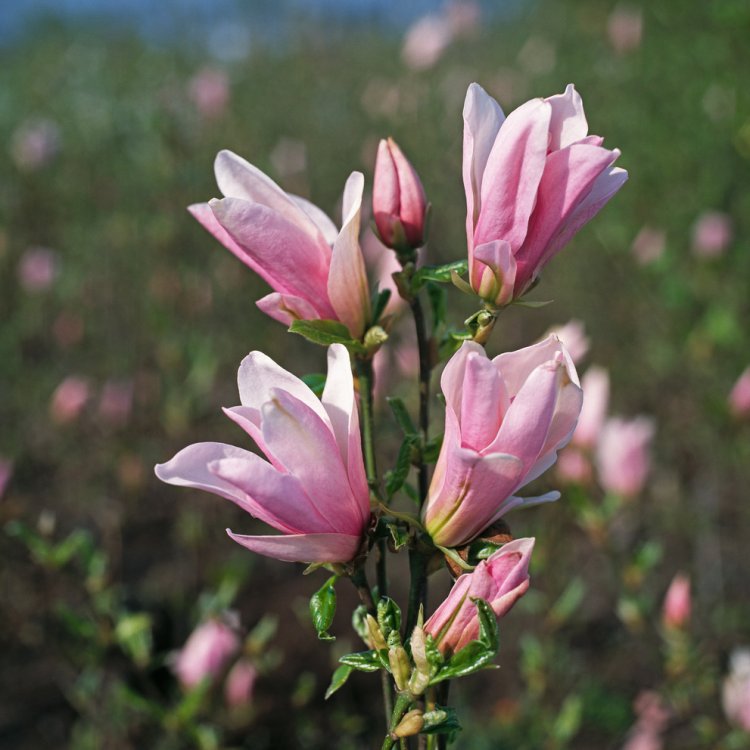
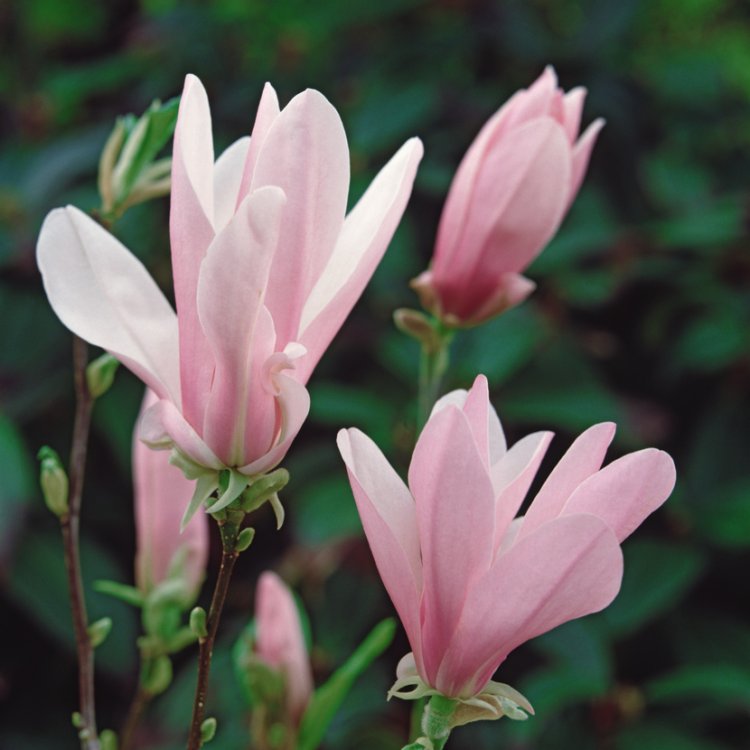
Magnolia ‘George Henry Kern’ truly stands out with its profusion of star-like, goblet-shaped flowers. These blossoms emerge in early spring, often before the fresh green leaves. Each flower showcases a lovely purplish-pink on the exterior, gently fading to a delicate pale pink or white on the inside. Furthermore, a pleasant, subtle fragrance often accompanies the blooms, enhancing their allure.
These remarkable flowers can also reappear sporadically during the summer months, offering an extended period of interest. The deep green, ovate leaves arrive after the main flush of flowers, providing a lush backdrop throughout the warmer seasons.
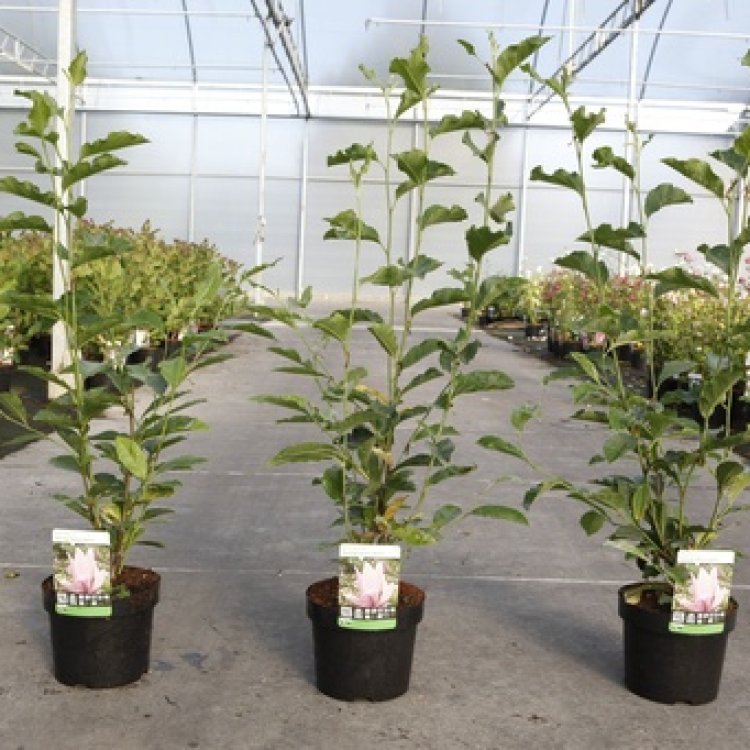
This compact magnolia grows slowly, eventually forming an elegant, multi-stemmed shrub or a small, rounded tree. Gardeners widely appreciate its manageable size, which makes it an excellent specimen plant for lawns or mixed borders. You can also successfully cultivate Magnolia ‘George Henry Kern’ in large containers, creating a focal point on patios or balconies. Bees and other early pollinators actively seek out its plentiful spring flowers. This makes it a valuable addition for those keen to support local biodiversity.
This exceptional cultivar owes its existence to George Henry Kern, a plant breeder from Ohio, USA. He successfully bred Magnolia ‘George Henry Kern’ in 1957. The plant represents a deliberate cross between two distinguished magnolia species: Magnolia stellata ‘Rosea’ and Magnolia liliiflora ‘Nigra’. This parentage explains its compact habit and beautiful flower characteristics.
When planting, choose a sheltered spot away from harsh winds, which can damage the delicate early blooms. While it generally requires little pruning, you can gently shape the plant or remove any dead or crossing branches immediately after its main flowering period. This ensures the plant maintains its healthy structure and continues to thrive.
Hardy in all of the UK and northern Europe. Suitable for exposed sites.
For Magnolia 'George Henry Kern', ensure it has a moist, well-drained, fertile, and slightly acidic to neutral soil. Choose a sheltered position, protecting its early blooms from strong winds and late frosts. Water regularly during dry spells, especially throughout its establishment period. Apply an acidic mulch, such as composted bark chips, in spring to help retain soil moisture and maintain a cool root run. Prune lightly immediately after its main flowering period to remove any dead, damaged, or crossing branches, or to gently shape the plant. Avoid heavy pruning which can stress the plant and reduce flowering.
This plant is deciduous so it will lose all of its leaves in the autumn and get fresh new foliage each spring.