£3.55 – £4.25Price range: £3.55 through £4.25
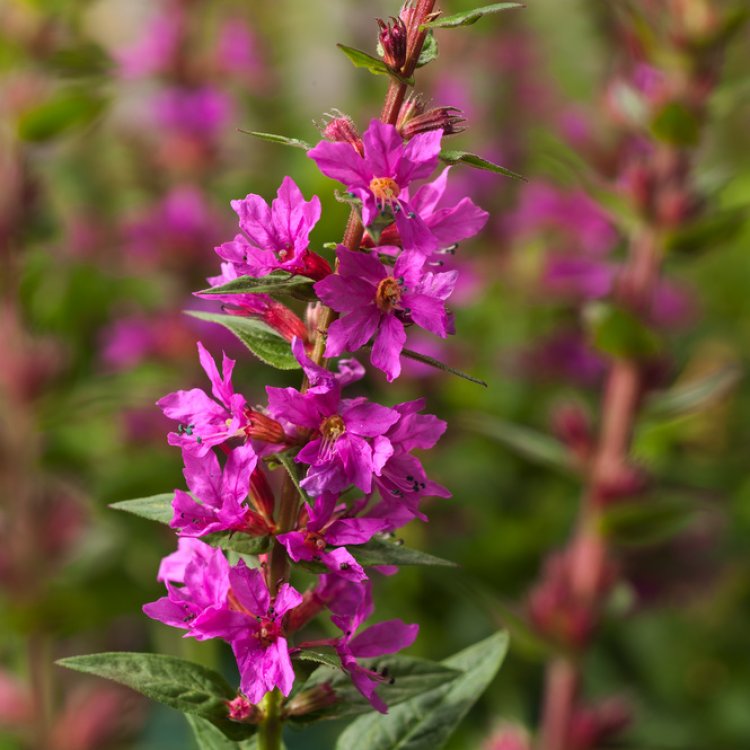
Lythrum sal. ‘Robin’ is a vibrant, rosy-pink Purple Loosestrife, perfect for moist UK garden spots. This hardy perennial offers a long display of colour from July to September, attracting valuable pollinators.
4105 in stock
Introducing Lythrum sal. ‘Robin’, a stunning herbaceous perennial that brings a vibrant splash of colour to UK gardens from summer into autumn.
Lythrum salicaria, commonly known as Purple Loosestrife, is a robust and attractive plant native to the British Isles. The specific cultivar ‘Robin’ is a particularly cherished variety, celebrated for its upright spikes of bright, rosy-pink flowers. It thrives in moist conditions, making it an excellent choice for bog gardens, pond margins, or damp borders where many other plants might struggle. Consequently, it offers unique versatility for various garden settings.
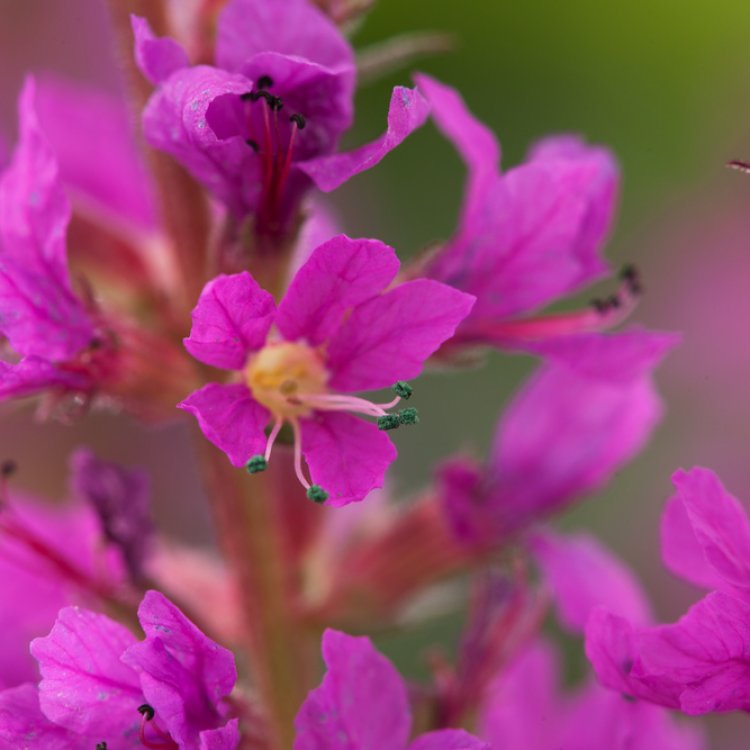
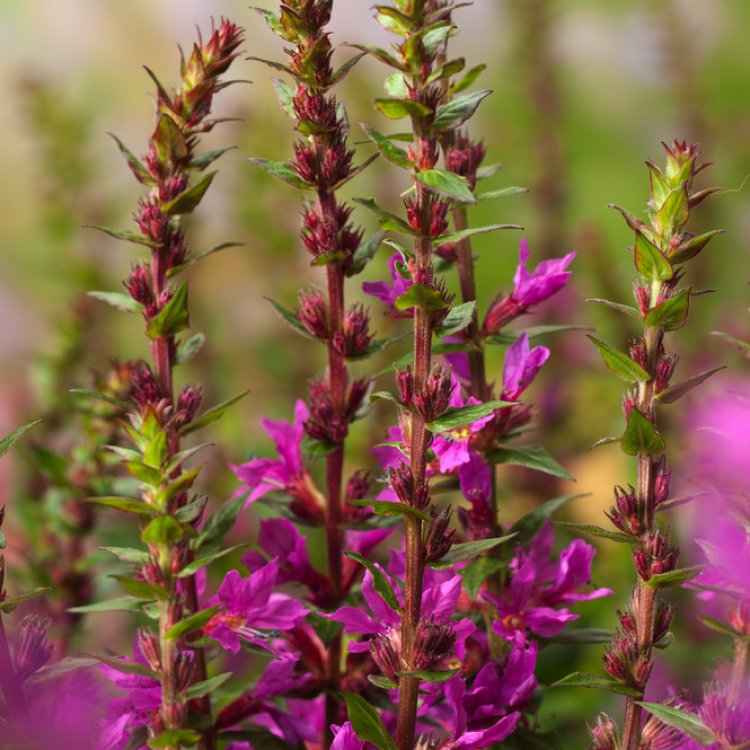
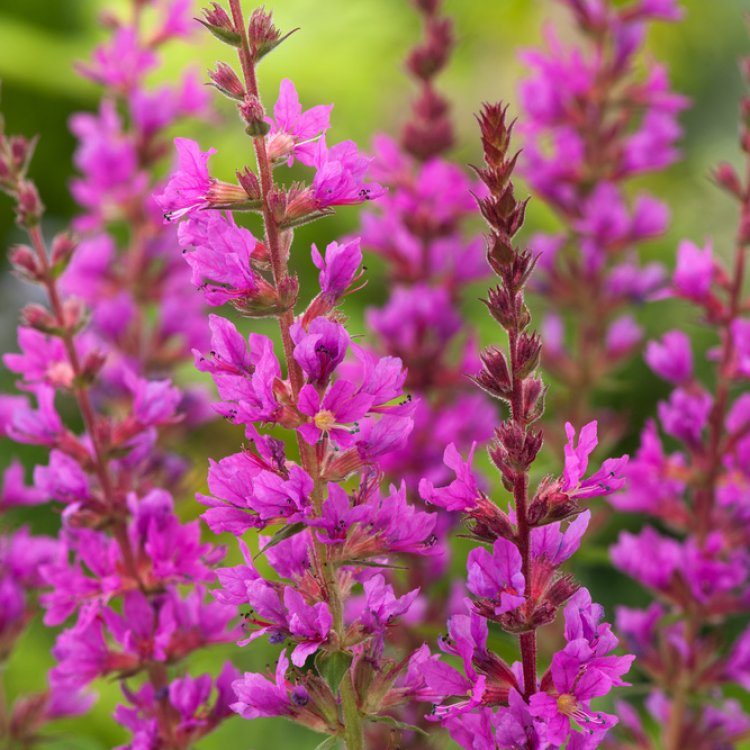
This charming Lythrum sal. ‘Robin’ boasts slender, architectural flower spikes that emerge throughout July, August, and September. Each spike is densely packed with small, star-shaped, rosy-pink blooms, creating a striking visual impact. The foliage consists of narrow, lance-shaped green leaves that provide an elegant backdrop to the vibrant flowers.
Furthermore, the upright growth habit of ‘Robin’ adds structure and vertical interest to planting schemes. This popular cultivar was developed to offer gardeners a more compact and garden-friendly version of the species. Its beauty can therefore be enjoyed without concerns about over-enthusiastic spread in a garden setting.
The common name, Purple Loosestrife, aptly describes the plant’s characteristic flower colour, although ‘Robin’ specifically presents a beautiful pink hue. Historically, the name ‘Loosestrife’ is thought to relate to its purported ability to soothe arguments.
This particular Lythrum sal. ‘Robin’ is a magnet for beneficial wildlife. Its nectar-rich flowers are irresistible to bees, hoverflies, and butterflies, thus enriching your garden’s biodiversity. Therefore, planting it contributes positively to local ecosystems.
Gardeners often utilise Lythrum sal. ‘Robin’ to create colourful drifts along the edges of ponds or streams. It also performs exceptionally well in perennial borders. Position it at the mid to back of the bed where its height can be appreciated.
Furthermore, it is suitable for bog gardens or any area with consistently moist soil. Although generally low-maintenance, cutting back spent flower spikes after blooming encourages further flowering. This also helps maintain a tidy appearance.
In late autumn or early spring, the entire plant can be cut back to ground level. This prepares it for vigorous new growth in the upcoming season. This hardy perennial ensures years of reliable summer colour.
Hardy in the harshest UK conditions and below. Suitable for mountain regions.
Lythrum sal. 'Robin' thrives in consistently moist to wet soil, ideally in full sun to partial shade. Ensure the soil remains damp, especially during dry spells, as this plant does not tolerate drought. No extensive feeding is typically required, especially in fertile soils. To encourage a second flush of flowers and prevent self-seeding (though 'Robin' is less prone than the species), deadhead spent blooms regularly. In late autumn or early spring, cut back all the old stems to ground level to promote vigorous new growth for the coming season. Divide congested clumps every few years in spring to maintain plant vigour.