£3.02 – £4.43Price range: £3.02 through £4.43
Lysimachia thyrsiflora, Tufted Loosestrife, adds vibrant yellow flower spikes to UK bog gardens and pond margins. This hardy, wildlife-friendly perennial thrives in wet soil, attracting bees and butterflies with its unique summer blooms.
276 in stock
Discover Lysimachia thyrsiflora, the charming Tufted Loosestrife, an exquisite wetland plant bringing vibrant yellow interest to UK bog gardens and pond margins.
This striking perennial is a fantastic choice for those aiming to enhance damp areas within their garden. Native to marshy regions, Lysimachia thyrsiflora adapts well to consistently wet soil, making it perfect for naturalising pond edges or creating a vibrant bog garden display. Its unique flowers offer a distinctive texture and colour, attracting various garden visitors. Furthermore, its ease of care ensures a rewarding growing experience for any gardener.
Lysimachia thyrsiflora, known as Tufted Loosestrife, belongs to a diverse plant genus. Its name, ‘Lysimachia’, possibly honours King Lysimachus of Thrace. The specific epithet ‘thyrsiflora’ is Latin for ‘thyrse-flowered’. This refers to its compact, cylindrical flower clusters. Interestingly, despite its common name, this plant is not a true loosestrife (Lythrum). Instead, it is a member of the Primulaceae family, which offers unique botanical interest.
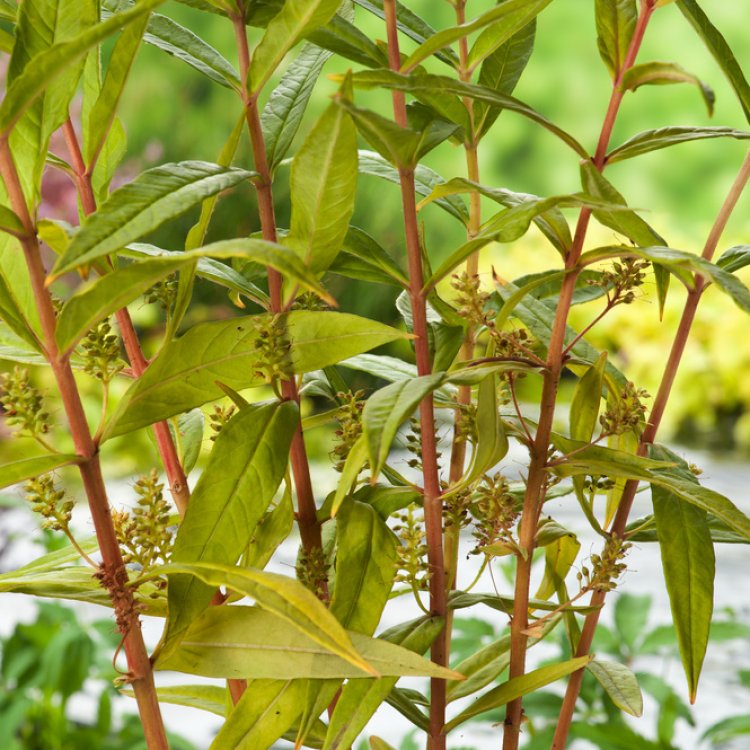
This perennial truly shines in early summer. From June through August, Lysimachia thyrsiflora produces upright flower spikes. These dense, thyrse-like clusters feature numerous small, star-shaped yellow flowers. They emerge from leaf axils, creating a distinct, bottle-brush appearance.
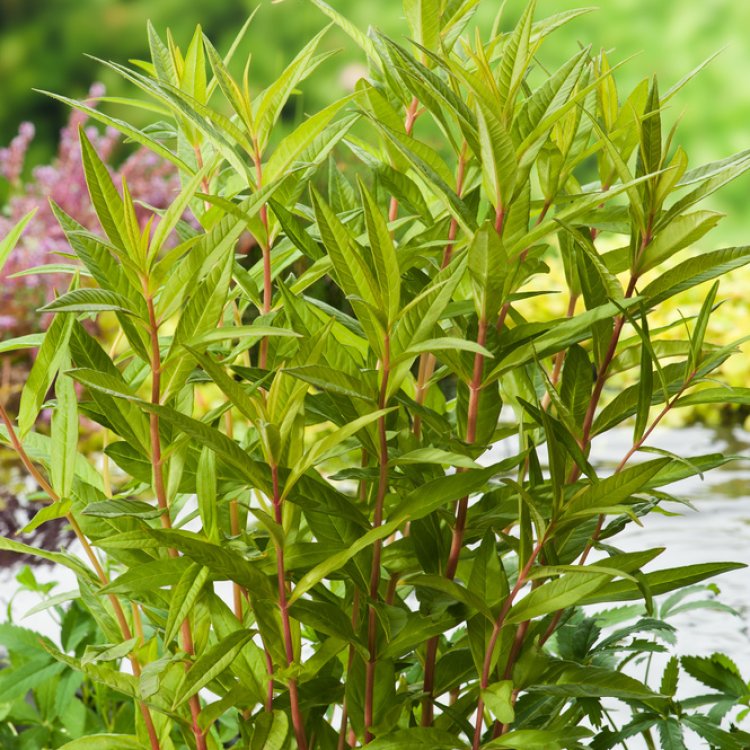
The foliage consists of mid-green, lance-shaped leaves. These arrange in pairs along its sturdy, unbranched stems. As autumn approaches, the leaves often develop attractive bronze or red tints. They then die back for winter, adding seasonal colour to your garden.
Tufted Loosestrife thrives in wet conditions. Therefore, it is perfectly suited for pond margins, where its roots can stay consistently moist. It also excels in bog gardens or damp borders. Its clumping, yet spreading, nature allows it to form beautiful colonies over time. This plant creates a naturalised feel when allowed to spread gently. It offers a soft, yet vibrant, element to waterside plantings.
Beyond its ornamental value, Lysimachia thyrsiflora provides ecological benefits. Its bright yellow flowers are a magnet for various pollinators. Bees and butterflies are especially drawn to its nectar, making it a valuable addition to a wildlife-friendly garden. By planting Tufted Loosestrife, you support local insect populations.
This plant generally requires minimal pruning. You might choose to remove spent flower stalks for tidiness. However, allowing them to remain can contribute to a natural look. Its natural growth habit is upright and clumping. Lysimachia thyrsiflora maintains a good shape without extensive intervention.
Hardy in the harshest UK conditions and below. Suitable for mountain regions.
Plant in consistently moist to wet soil or at the margins of a pond. Ensure adequate moisture during dry spells, especially in the first year after planting. Deadhead spent flowers to encourage tidiness, though not strictly necessary. Divide established clumps every few years in spring to maintain vigour and control spread, if required. Protect from extremely harsh winter frosts in its first year, though it is generally very hardy once established.