£2.68 – £4.10Price range: £2.68 through £4.10
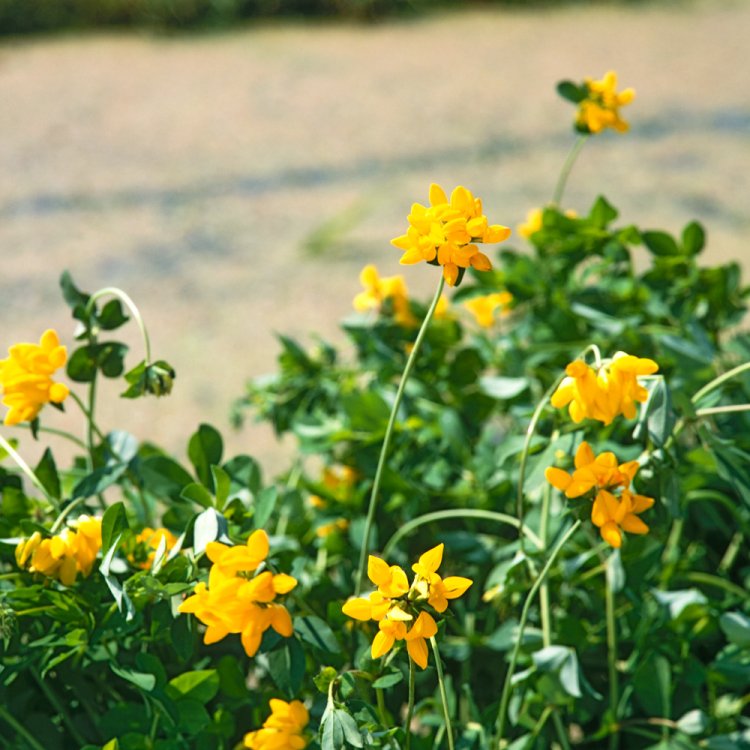
Lotus uliginosus, or Greater Bird’s-foot Trefoil, is a vibrant native perennial. It produces cheerful yellow flowers from June to September, attracting vital pollinators. Perfect for damp spots, wildlife gardens, and pond edges, it offers beautiful summer colour and supports biodiversity.
505 in stock
Discover Lotus uliginosus, also known as Greater Bird’s-foot Trefoil, a charming native perennial bringing vibrant yellow blooms to UK gardens.
Lotus uliginosus, often referred to as Marsh Bird’s-foot Trefoil, is a delightful herbaceous perennial. This robust plant thrives in damp conditions, making it perfect for wetland edges or moist garden areas. Its cheerful flowers create a bright display throughout summer, adding natural beauty and supporting local wildlife. Furthermore, its sprawling habit helps to cover ground effectively.
This fascinating plant, Lotus uliginosus, belongs to the pea family, Fabaceae. It is a true British native, naturally occurring in damp meadows, fens, and along waterways across the UK. Often found alongside its close relative, Common Bird’s-foot Trefoil, it distinguishes itself by preferring wetter soils. The name ‘Lotus’ comes from the Greek for clover-like plants, while ‘uliginosus’ is Latin, meaning “of wet or marshy ground,” perfectly describing its favoured habitat. Some botanists also know it as Lotus pedunculatus, referring to its prominent flower stalks.
From June right through to September, Lotus uliginosus produces a profusion of cheerful yellow flowers. These small, pea-like blooms are held in clusters, creating a striking visual impact against the green foliage. The leaves are distinctive, arranged in groups of five leaflets. Two of these leaflets sit at the base of the leaf stalk, resembling stipules. This lush green foliage forms an attractive mat, providing excellent ground cover. Consequently, it helps to suppress unwanted weeds.
Lotus uliginosus offers many valuable uses in the garden. It is an excellent choice for naturalising in damp areas, such as the edges of ponds or streams. You can easily incorporate it into a wildflower meadow scheme, especially where the soil remains moist. Furthermore, its ability to spread makes it useful for stabilising banks or filling in challenging damp spots. This plant does not typically require specific pruning or shaping. However, you can cut back spent flower stems to encourage further blooming and maintain a tidy appearance.
Crucially, Lotus uliginosus is a vital plant for supporting local ecosystems. Its vibrant yellow flowers are a magnet for various pollinators. Bees, including bumblebees and solitary bees, frequently visit the blooms, collecting nectar and pollen. Butterflies are also strongly attracted to this plant, using it as both a nectar source and a larval food plant. Indeed, species like the Common Blue butterfly rely on plants in the Lotus genus for their caterpillars. Therefore, planting Lotus uliginosus helps to create a thriving, biodiverse garden.
Hardy in the harshest UK conditions and below. Suitable for mountain regions.
Lotus uliginosus is low-maintenance, thriving in consistently moist soil. Ensure adequate water, especially during dry spells. You can cut back faded flowers to encourage further blooming and keep the plant looking tidy. It readily self-seeds in favourable conditions.