£4.82 – £5.53Price range: £4.82 through £5.53
Lonicera xylosteum, or Fly Honeysuckle, is a hardy deciduous shrub. It features pale yellow spring flowers and vibrant red berries that attract birds and bees. Ideal for naturalistic planting and informal hedging, this resilient plant brings charm and biodiversity to UK gardens.
38 in stock
Discover Lonicera xylosteum, also known as Fly Honeysuckle, a charming deciduous shrub bringing early season interest and vibrant berries to UK gardens.
This versatile plant, Lonicera xylosteum, is a robust and attractive addition. It offers understated beauty and valuable ecological benefits. Native across much of Europe and Asia, it adapts well to various UK garden conditions. Gardeners appreciate its early spring flowers, then colourful berries follow. Its resilient nature ensures it thrives with minimal intervention, offering a natural aesthetic.
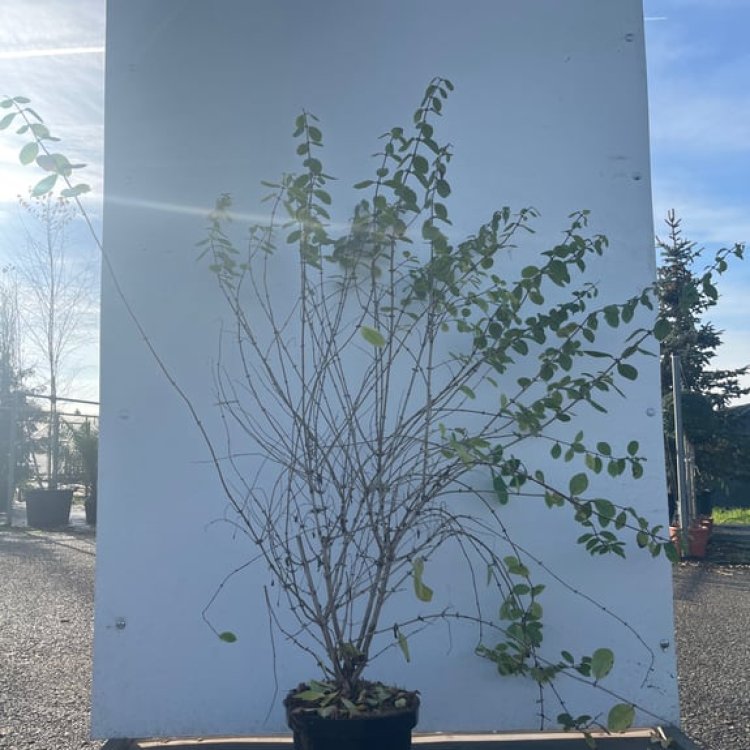
Lonicera xylosteum is an upright-spreading, often multi-stemmed deciduous shrub. It typically reaches a maximum height and spread of around three metres. This hardy plant offers good structure and year-round interest for UK gardens.
Its botanical name, Lonicera, honours Adam Lonicer, a distinguished German botanist and physician. Furthermore, the species epithet ‘xylosteum’ comes from Greek. ‘Xylon’ means wood, and ‘osteon’ means bone. This references the plant’s notably hard wood. This historical naming connects the plant to its intrinsic physical characteristics.
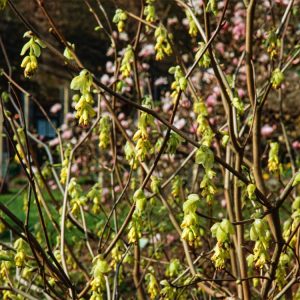
In late spring, usually from May to June, Lonicera xylosteum produces an abundance of small, tubular flowers. These blooms appear in pairs or clusters, often before the leaves fully expand. They are typically a pale yellow or creamy white, offering a subtle yet delightful fragrance.
Following the flowers, the plant develops conspicuous bright red berries. These pea-sized fruits ripen from July through September. They provide a striking colour contrast against the dull green, oval leaves. Importantly, these berries serve as a crucial food source for local wildlife.
Lonicera xylosteum excels in many garden settings. You can use it effectively for informal hedging, creating natural screens, or as part of a mixed shrub border. It integrates beautifully into woodland gardens and naturalistic planting schemes. This adaptable shrub tolerates urban pollution well, making it suitable for city gardens too.
Its flowers are a magnet for bees and other beneficial pollinators during spring. Later, the vibrant red berries become a vital autumnal feast for various bird species. This supports local ecosystems and enhances garden biodiversity.
This Fly Honeysuckle is generally a low-maintenance shrub. It does not demand extensive pruning. However, after flowering, you can undertake light pruning to maintain a tidy shape or to remove any dead, damaged, or crossing stems. This simple practice encourages healthy growth and keeps the plant looking its best. Always use sharp, clean tools for pruning to ensure clean cuts and minimise stress to the plant.
Very hardy. Tolerates temperatures typical of a continental winter.
Water Lonicera xylosteum regularly during dry spells, especially in its first year. Apply a general-purpose fertiliser sparingly in spring. Prune lightly after flowering to maintain shape and remove any dead or weak stems. This helps encourage healthy new growth.
This plant is deciduous so it will lose all of its leaves in the autumn and get fresh new foliage each spring.