£2.39 – £3.11Price range: £2.39 through £3.11
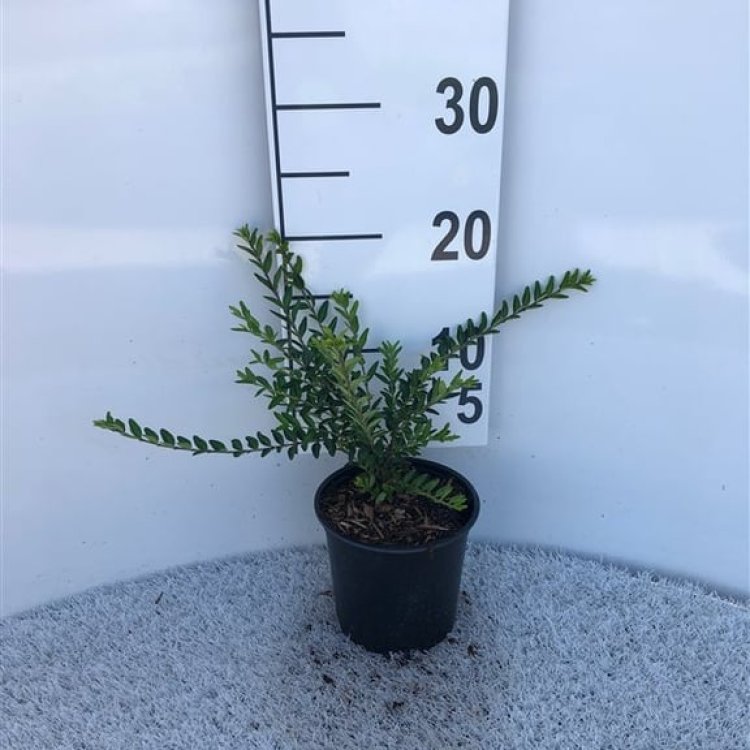
Lonicera pileata ‘Moss Green’ is a versatile evergreen shrub providing dense, glossy, dark green foliage year-round. Ideal for ground cover, low hedges, or borders, it offers continuous colour and structure in any UK garden.
1300 in stock
Lonicera pileata ‘Moss Green’ offers year-round colour and texture, creating a beautiful, low-maintenance evergreen presence in your garden.
Lonicera pileata ‘Moss Green’ is a superb evergreen shrub, often called Box-leaved Honeysuckle. It provides dense, attractive foliage throughout the year. Gardeners often choose this plant for its versatility and robust nature. This cultivar brings a fresh, vibrant green to any garden design. It forms a neat, spreading mound, perfect for various landscaping roles.
The Lonicera pileata ‘Moss Green’ is a standout cultivar within the honeysuckle family. Its species name, ‘pileata’, refers to its cap-like leaves. Meanwhile, ‘Moss Green’ highlights its rich, deep green foliage. This plant originally comes from China. Gardeners widely appreciate its tidy habit and enduring appeal. It maintains a compact, spreading form, making it a valuable asset in many settings.
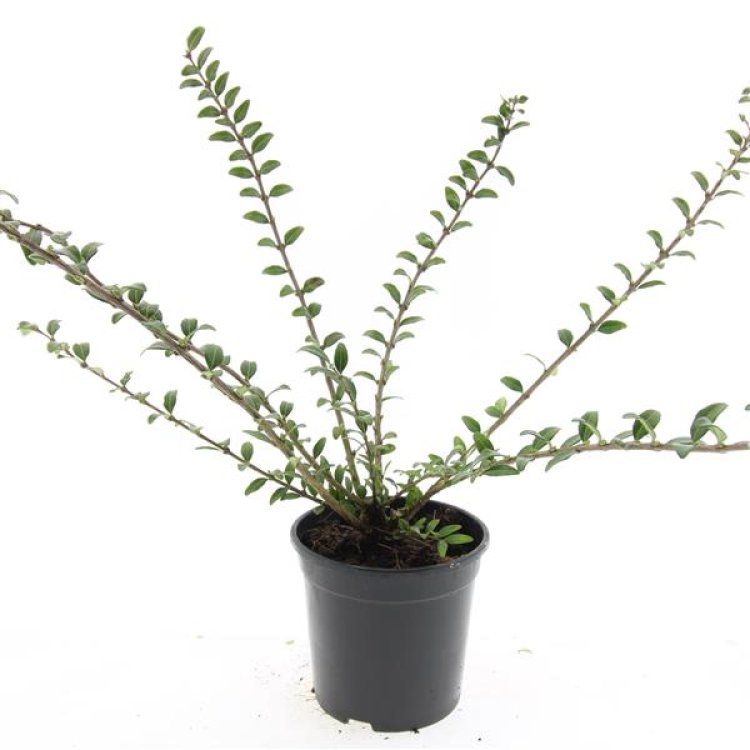
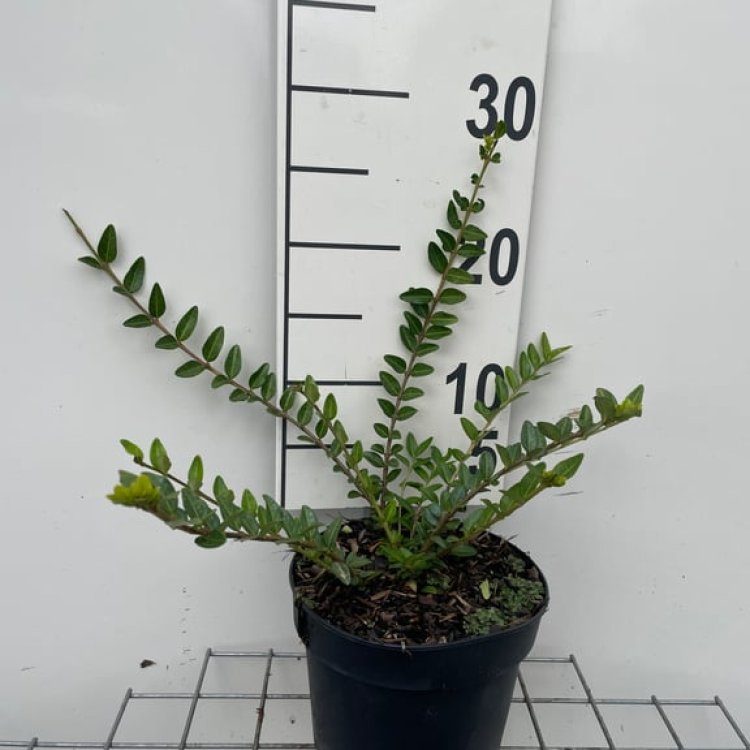
This evergreen honeysuckle showcases small, oval, glossy leaves. They are a vibrant, dark green, providing excellent year-round interest. In spring, delicate, creamy-white flowers emerge. These blooms are tiny and somewhat hidden amongst the leaves. Later, if pollinated, small purple berries may form. Birds enjoy these berries. Thus, the plant supports local wildlife.
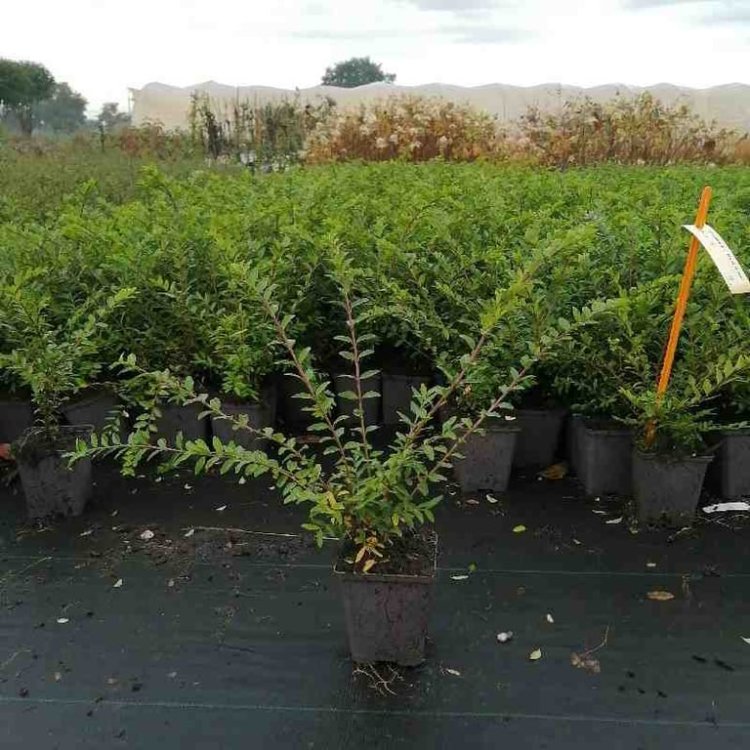
Box-leaved Honeysuckle offers many uses in the UK garden. It works beautifully as resilient ground cover, suppressing weeds effectively. You can also use it to create neat, low hedges or formal edging for pathways and borders. Its dense growth makes it a good choice for slopes or difficult areas. This plant also thrives in containers, offering structure on patios.
This honeysuckle generally needs little pruning. You can trim it lightly to maintain a desired shape or size. Pruning helps to keep its appearance neat and tidy. It recovers well from shaping. Furthermore, Lonicera pileata ‘Moss Green’ attracts small birds. They enjoy its dense foliage for shelter and any berries for food. This makes it a great addition to a wildlife-friendly garden.
Very hardy. Tolerates temperatures typical of a continental winter.
Water regularly during its first growing season until Lonicera pileata 'Moss Green' establishes. Once established, it becomes more drought-tolerant. Prune lightly in late winter or early spring to maintain its desired shape and density. You can cut back older, woody stems to encourage fresh growth. This plant is generally low-maintenance, requiring minimal feeding; a general-purpose fertiliser in spring can boost vigour. Apply an organic mulch around the base to help retain soil moisture and keep weeds at bay. It is largely trouble-free from most common pests and diseases.