£9.81 – £12.17Price range: £9.81 through £12.17
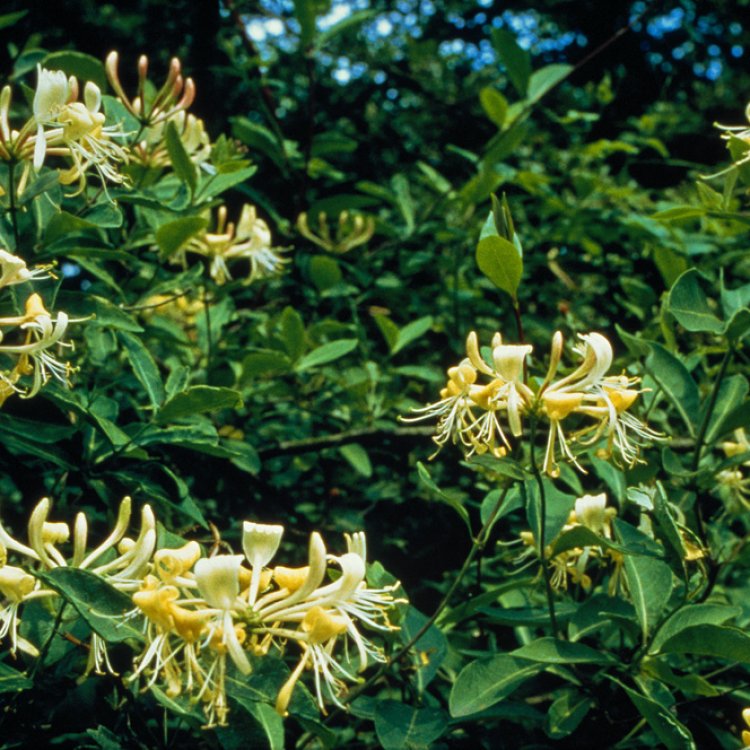
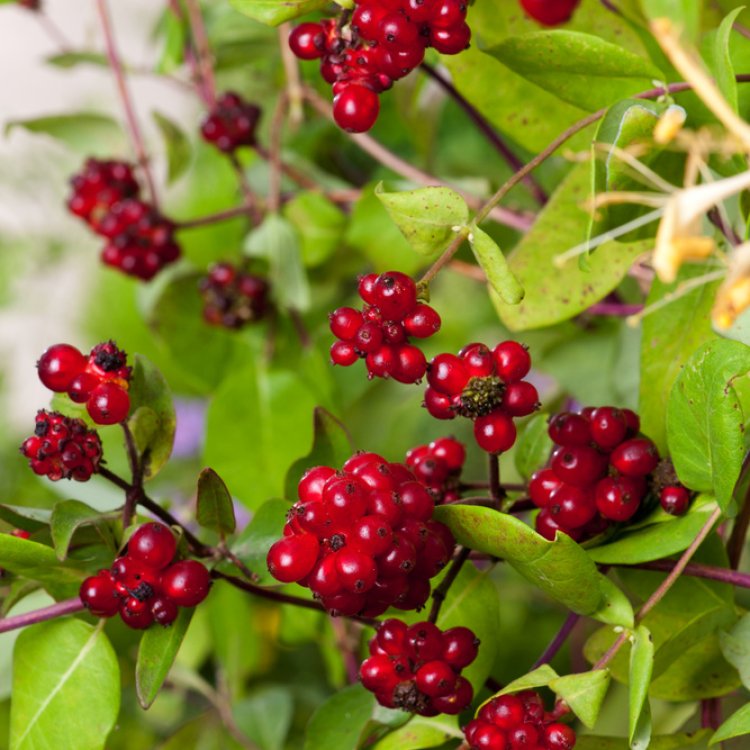
Lonicera periclymenum, or Woodbine, is a native British honeysuckle. This fragrant climber features creamy-yellow flowers from June to September, attracting pollinators. It also produces red berries for birds, making it a wonderful wildlife-friendly addition to your UK garden.
1671 in stock
Lonicera periclymenum, commonly known as Woodbine or Common Honeysuckle, brings enchanting fragrance and natural beauty to UK gardens.
This delightful native climber, Lonicera periclymenum, provides a captivating display throughout summer, gracing pergolas, fences, and walls with its elegant, twining stems. Its fragrant flowers not only charm gardeners but also offer vital sustenance to a variety of pollinators.
Furthermore, its vibrant berries provide a food source for birds later in the season. Appreciated for its hardiness and adaptability, Lonicera periclymenum truly enhances any outdoor space, creating a natural and inviting atmosphere.
Lonicera periclymenum, a cherished native honeysuckle, earns its botanical name ‘Lonicera’ from Adam Lonicer, a 16th-century German botanist. The species epithet ‘periclymenum’ derives from Greek, meaning ‘to entwine around,’ precisely describing its vigorous climbing habit. This plant thrives in a range of garden settings, making it an excellent choice for cottage gardens, wildlife areas, or as an informal screen.
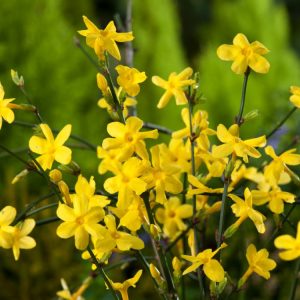
Its abundant flowers emerge in clusters, initially a creamy white, then gradually fading to a warm yellow. These distinctive, trumpet-shaped blooms release a sweet, pervasive fragrance, particularly noticeable in the evening. This scent acts as a powerful beacon for night-flying moths, including the striking hawk-moths, which seek out its nectar. Consequently, it creates a dynamic evening garden experience.
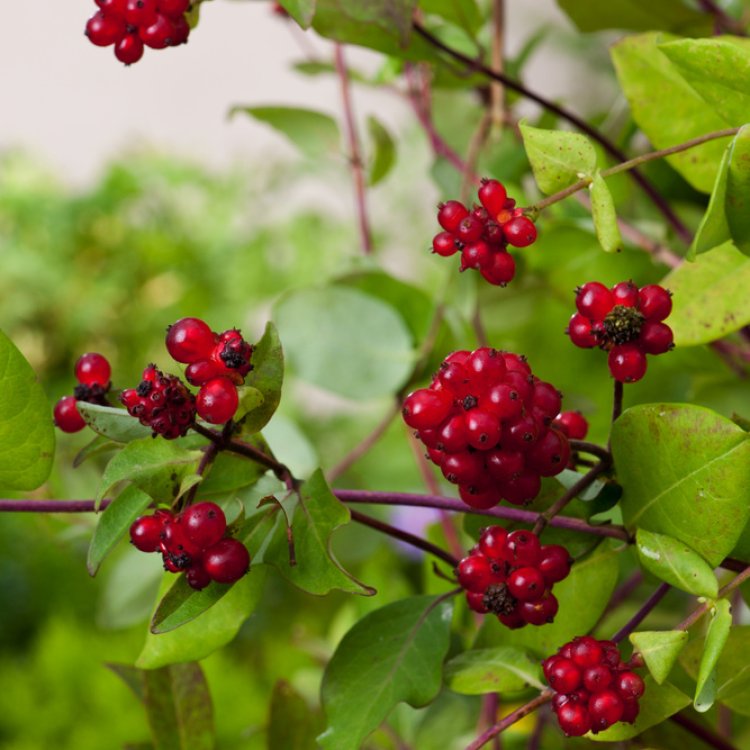
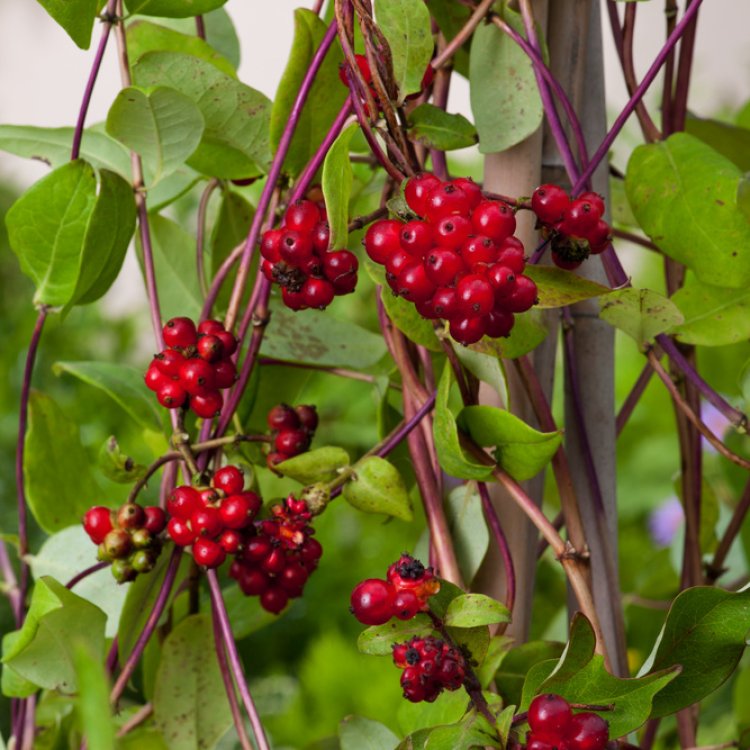
As the flowering period concludes, small, bright red berries appear, offering a crucial autumn food source for various bird species, thus boosting garden biodiversity.
Lonicera periclymenum grows with remarkable speed, easily reaching heights of up to six metres and spreading two to three metres wide. Gardeners often train this versatile climber over arches or pergolas; alternatively, allow it to scramble through shrubs and trees for a naturalised effect.
Pruning primarily involves removing dead or tangled stems after flowering, helping to maintain its shape and promote healthy growth. This ensures a continuous vibrant display. Its contribution to wildlife support, combined with its aesthetic appeal, makes Lonicera periclymenum a truly invaluable addition to any British garden.
Very hardy. Tolerates temperatures typical of a continental winter.
Lonicera periclymenum thrives with minimal fuss. Provide a sturdy support structure like a trellis, pergola, or fence for its twining stems. Water regularly, especially during dry spells and in its first year, to ensure establishment. Apply a general-purpose fertiliser in spring. Prune after flowering to remove any dead, damaged, or tangled stems and to maintain its desired size and shape. Mulch around the base in spring with compost or well-rotted manure to retain moisture and suppress weeds.
This plant is deciduous so it will lose all of its leaves in the autumn and get fresh new foliage each spring.