£7.74 – £8.44Price range: £7.74 through £8.44
Lonicera periclymenum ‘Serotina’ is a delightful, fragrant honeysuckle, producing reddish-purple and creamy-yellow flowers from summer into autumn. This vigorous, deciduous climber attracts bees and butterflies, brightening UK gardens with its late-season blooms and attractive red berries.
372 in stock
Lonicera periclymenum ‘Serotina’ offers a delightful spectacle of late-season blooms, bringing sweet fragrance and vibrant colour to your UK garden.
Often called Late Dutch Honeysuckle or simply Woodbine, Lonicera periclymenum ‘Serotina’ is a popular deciduous climber. It hails from the species Lonicera periclymenum, a native British honeysuckle. This specific cultivar, ‘Serotina’, gains its name from the Latin word for ‘late’, highlighting its much-appreciated extended flowering period. Consequently, it brings beauty and life to the garden when many other plants begin to fade.
Lonicera periclymenum ‘Serotina’ is a true garden classic. It is a robust, deciduous, twining climber. It thrives across many UK garden settings. The plant offers an enchanting display, particularly during its extended flowering season. Its botanical name, Lonicera periclymenum, honours Adam Lonicer, a German botanist. The ‘periclymenum’ part comes from Greek. It means “around-clasping,” aptly describing its climbing habit. ‘Serotina’, as mentioned, refers to its late flowering. This makes it a cherished late-season performer.
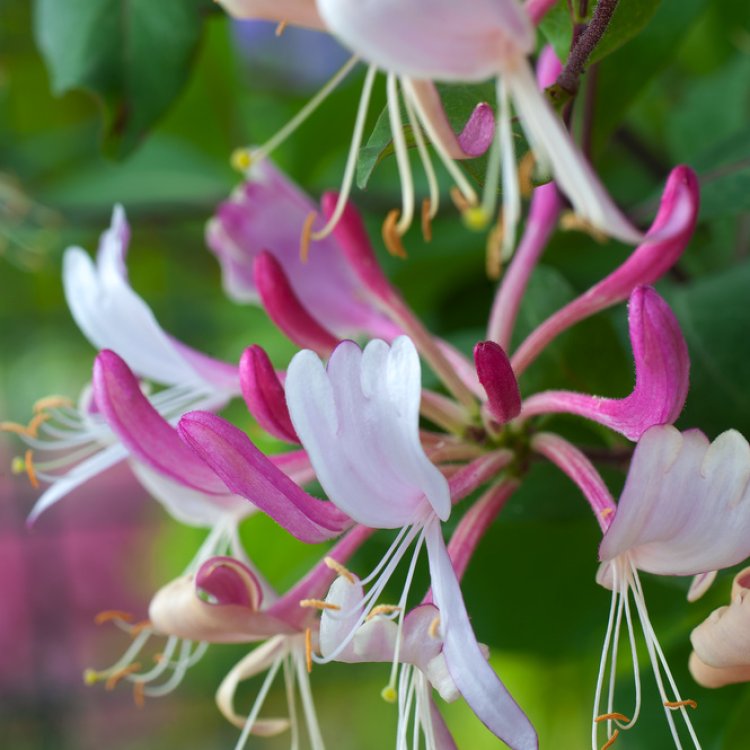
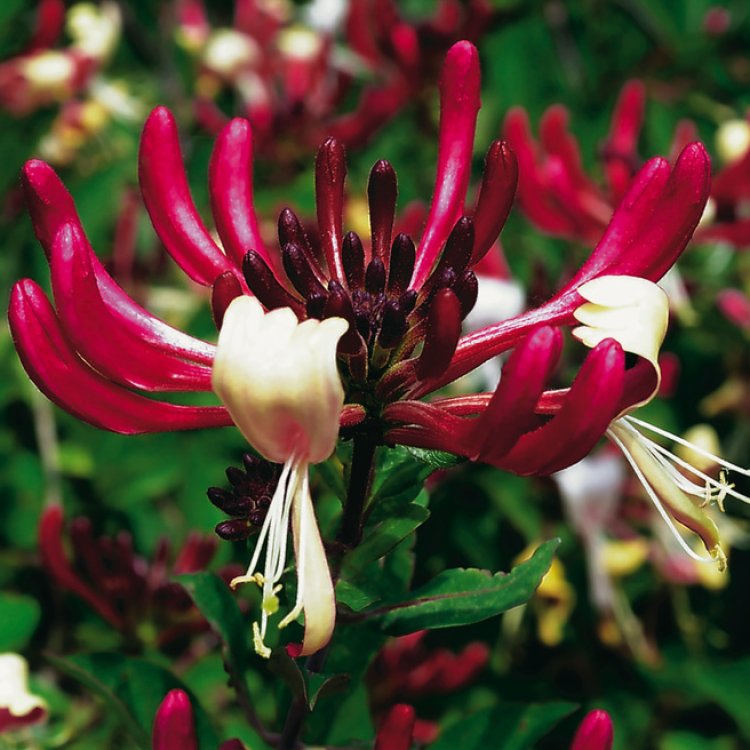
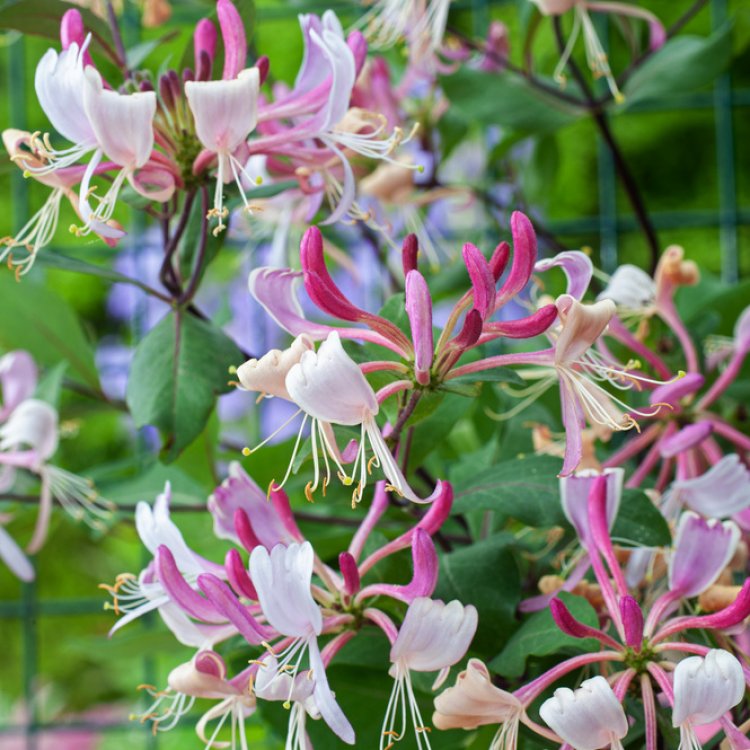
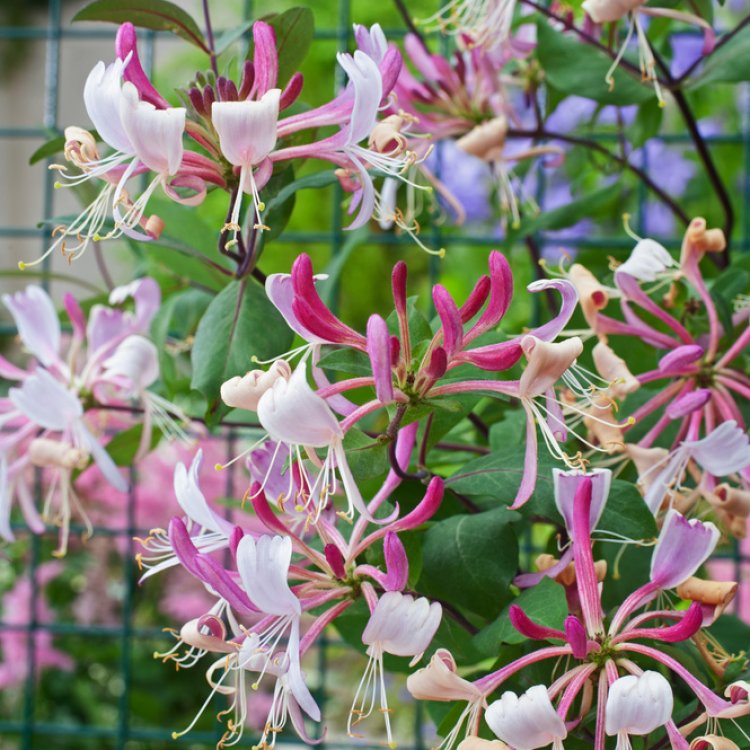
The foliage of this honeysuckle presents as simple, oval-shaped green leaves. These provide a fresh backdrop to the stunning blooms. From July, and often continuing into October, the plant is adorned with flowers. Initially, these appear as deep reddish-purple buds. They then open to reveal trumpet-shaped flowers. The outside is a rich purplish-red. Meanwhile, the inside petals are a creamy-yellow. These striking colour contrasts create a truly beautiful sight. Moreover, the flowers release a powerful, sweet perfume. This fragrance is especially strong in the evening. As the flowers fade, bright red berries appear. These berries add another layer of visual interest.
This versatile climber is perfect for a range of garden applications. You can train Lonicera periclymenum ‘Serotina’ to cover walls, fences, or pergolas. It also looks wonderful adorning arbours. Allowing it to scramble through existing large shrubs or trees creates a natural, informal look. Its dense growth provides excellent screening. The plant also offers a fantastic vertical accent. Furthermore, it brings delightful scents to seating areas. Therefore, consider planting it near a patio or path.
Lonicera periclymenum ‘Serotina’ acts as a magnet for local wildlife. Its nectar-rich flowers are a favourite source of food for bees and butterflies. The vibrant red berries that follow are highly appealing to birds. This makes the honeysuckle an invaluable addition. It helps support biodiversity in your garden. Gardeners often choose this plant to create a living, dynamic ecosystem. It is a genuine asset for wildlife enthusiasts.
This honeysuckle generally requires minimal care. It benefits from light pruning to maintain its shape. You can do this after flowering or in late winter. Simply remove any dead or weak stems. Thin out overly congested growth. This simple practice encourages healthy new growth and better flowering.
Very hardy. Tolerates temperatures typical of a continental winter.
Lonicera periclymenum 'Serotina' thrives with basic attention. Water regularly, especially during dry spells and in its first year, to ensure the soil remains moist but not waterlogged. Apply a balanced general-purpose fertiliser in early spring to support vigorous growth and flowering. Prune lightly after the main flowering period in late autumn or during late winter. Focus on removing any dead, damaged, or weak stems, and thin out congested growth to improve air circulation and maintain an attractive shape. This twining climber requires a suitable support structure, such as a trellis, wires, or an arbour, to climb effectively. Watch for common pests like aphids and diseases such as powdery mildew, treating promptly if observed, although 'Serotina' is generally robust.
This plant is deciduous so it will lose all of its leaves in the autumn and get fresh new foliage each spring.