£9.81 – £12.17Price range: £9.81 through £12.17
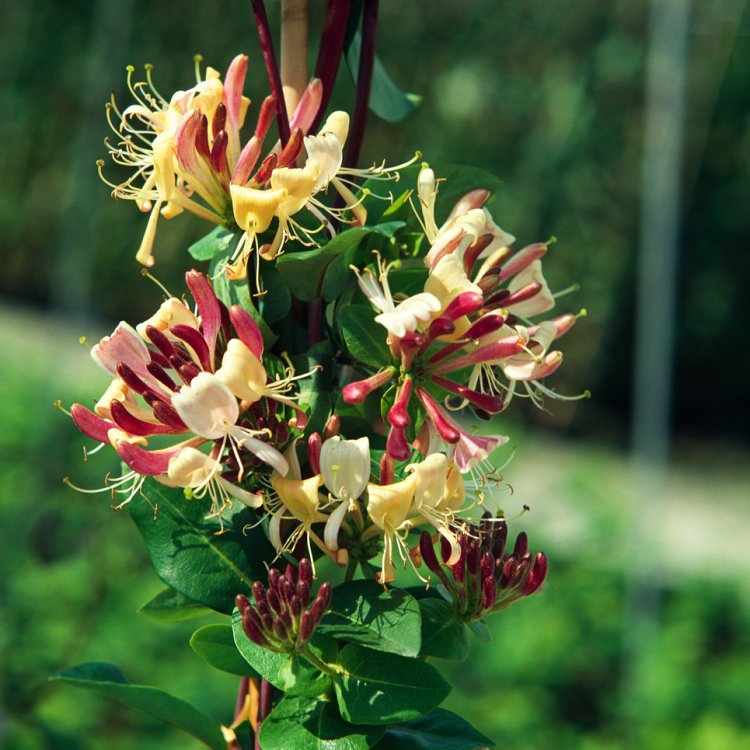
Lonicera periclymenum ‘Belgica’ is a fragrant, vigorous climbing honeysuckle with beautiful bicolour flowers from June to August. Attracts bees and butterflies, while birds enjoy its autumn berries. A charming addition to any UK garden.
113 in stock
Lonicera periclymenum ‘Belgica’ is a truly enchanting British native honeysuckle, celebrated for its rich, highly fragrant blooms and vigorous climbing habit.
This delightful plant, often called Woodbine or Honeysuckle, offers a spectacular display throughout the summer months. Its robust growth makes it an ideal choice for covering walls, fences, and pergolas, bringing both visual appeal and an intoxicating perfume to your outdoor spaces. Moreover, it actively supports local wildlife, providing both nectar and berries, which further enhances its value in any UK garden.
The native British honeysuckle, Lonicera periclymenum, is a cherished plant, and ‘Belgica’ stands out as a particularly fine cultivar. Its name, ‘Belgica’, suggests a connection to Belgium, perhaps referencing its discovery or popularisation in that region. This elegant climber brings a touch of classic cottage garden beauty to any setting. Its vigorous, twining stems readily ascend supports, creating a lush curtain of foliage and flowers.
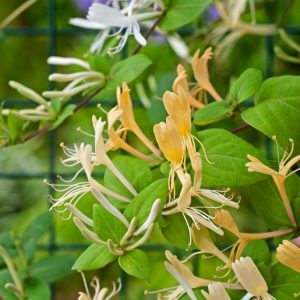
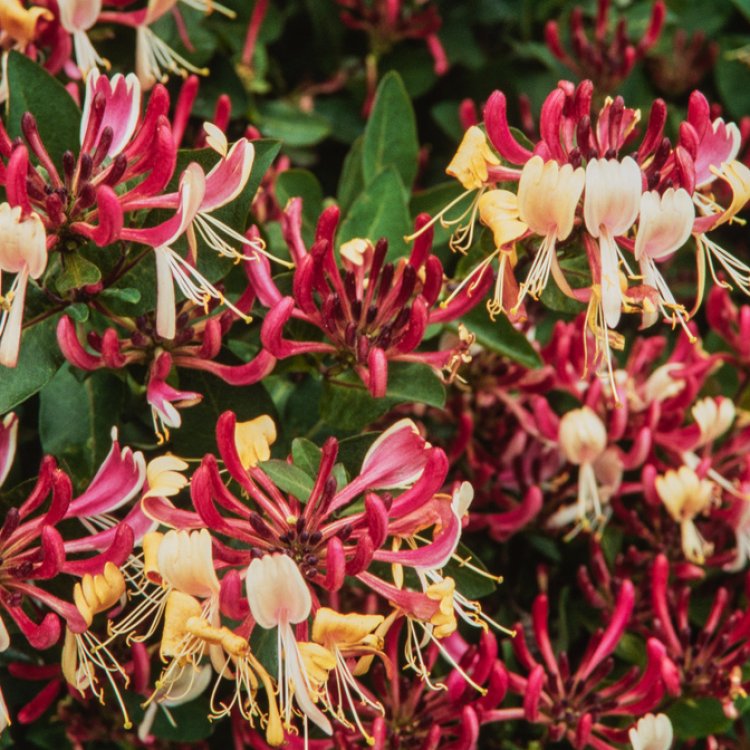
From June through to August, Lonicera periclymenum ‘Belgica’ produces an abundance of intricate flowers. These blooms emerge as deep reddish-purple buds, which then unfurl to display contrasting creamy-yellow interiors. The trumpet-like shape of each flower is perfectly adapted for pollinators, and they hang in attractive clusters. Furthermore, the fragrance released by these flowers is simply heavenly. It intensifies as evening approaches, filling the garden with a sweet, musky perfume that truly captivates the senses.
The foliage of this honeysuckle consists of simple, oval, mid-green leaves that provide a pleasing backdrop to the vibrant flowers. As the flowering season progresses, the blooms are followed by small, bright red berries. These berries add another layer of visual interest and, importantly, offer a vital food source for garden birds as autumn arrives. This makes Lonicera periclymenum ‘Belgica’ a valuable asset for supporting biodiversity in your outdoor space.
Gardeners often use this versatile plant to adorn pergolas, archways, and fences, where its natural climbing habit can be fully appreciated. It creates a wonderfully romantic atmosphere, especially when allowed to ramble freely. Consider planting it near a seating area to fully enjoy its captivating scent. While a robust grower, a light prune after flowering helps to maintain its shape and encourages a strong flush of new growth for the following season. This simple task ensures continuous vigour and abundant blooms year after year.
Beyond its aesthetic appeal, this honeysuckle plays a crucial role in the garden ecosystem. Its nectar-rich flowers are a magnet for various pollinators, including long-tongued bees, hoverflies, and most notably, night-flying moths, which are drawn in by the intense evening scent. Butterflies also frequently visit the blooms during the day. As mentioned, the subsequent berries provide nourishment for birds, effectively turning your garden into a lively sanctuary. Lonicera periclymenum ‘Belgica’ truly embodies nature’s beauty and purpose.
Very hardy. Tolerates temperatures typical of a continental winter.
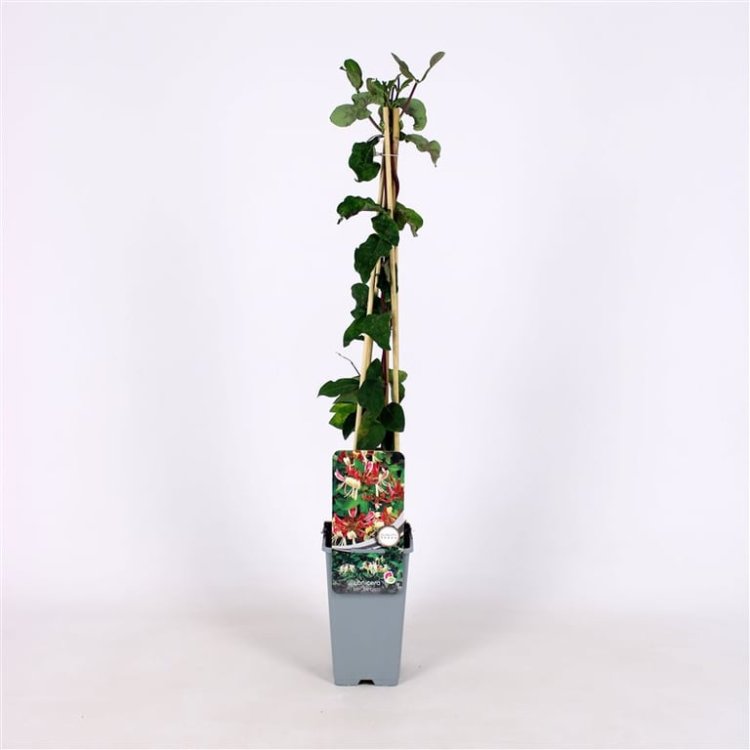
Lonicera periclymenum 'Belgica' thrives with regular watering, particularly during dry spells, and benefits from a general purpose fertiliser in spring. Prune after flowering (late summer/early autumn) to remove spent blooms and any congested growth, which helps maintain its shape and encourages vigour. For overgrown plants, a harder cut can rejuvenate the climber. This honeysuckle requires a sturdy support structure, such as a trellis, pergola, or wires, for its twining stems to ascend effectively.
This plant is deciduous so it will lose all of its leaves in the autumn and get fresh new foliage each spring.