£9.50 – £11.86Price range: £9.50 through £11.86
Lonicera caerulea kamtschatica, the Honeyberry, is a hardy deciduous shrub producing delicious, edible blue fruits in early summer. Its early flowers attract bees, making it a valuable and productive addition to any UK garden.
80 in stock
Lonicera caerulea kamtschatica, often called Honeyberry, is a delightful deciduous shrub producing unique, edible blue fruits for early summer harvests.
Discover the unique charm of Lonicera caerulea kamtschatica, a fascinating member of the honeysuckle family. This intriguing plant originates from colder regions, including Siberia and northern Japan. It has become increasingly popular in UK gardens due to its early fruiting and ornamental appeal. Often known as Honeyberry or Haskap, this hardy shrub offers both visual interest and delicious berries, making it a valuable addition to any garden space.
The botanical name, Lonicera caerulea kamtschatica, accurately describes its blue berries (‘caerulea’) and its origin from the Kamchatka Peninsula. This plant is distinctly different from ornamental honeysuckles; instead, gardeners cultivate it specifically for its exceptional fruit. It offers a unique taste profile, often described as a blend of blueberry, raspberry, and blackcurrant.
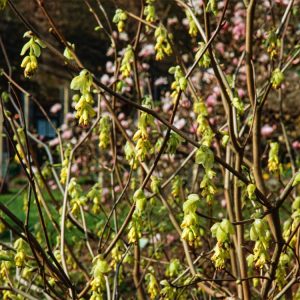
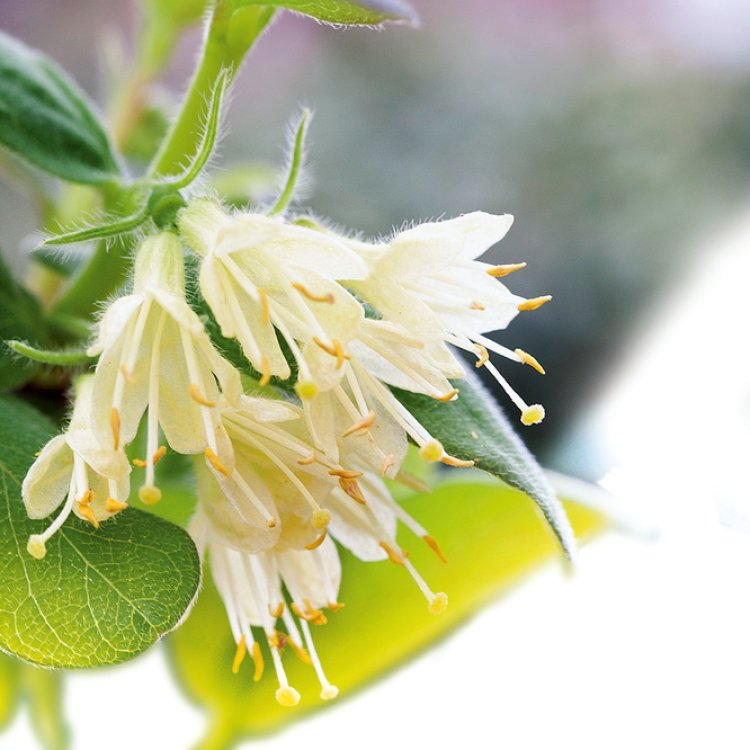
As a deciduous shrub, Lonicera caerulea kamtschatica sheds its leaves in winter. New, oval, green leaves emerge dependably early in spring, signalling the start of the growing season. Soon after, small, creamy-yellow flowers appear. These subtle blooms are essential for subsequent fruit production. Importantly, they provide a crucial early food source for beneficial insects such as bees, which emerge hungry after winter.
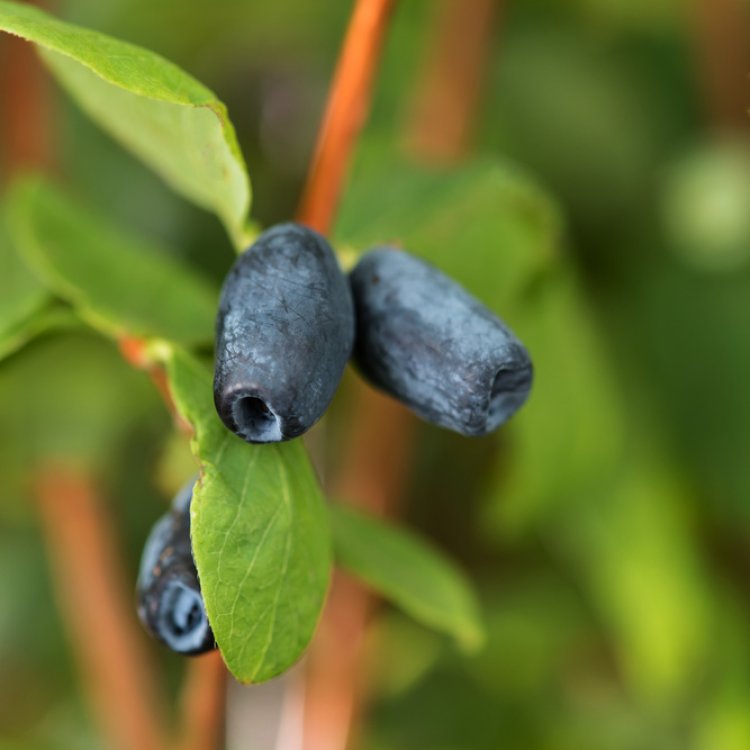
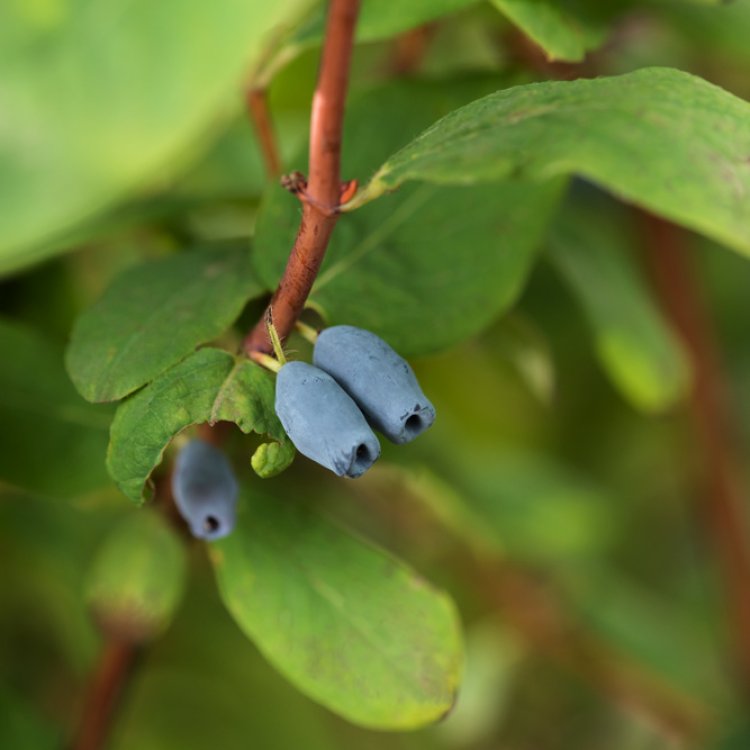
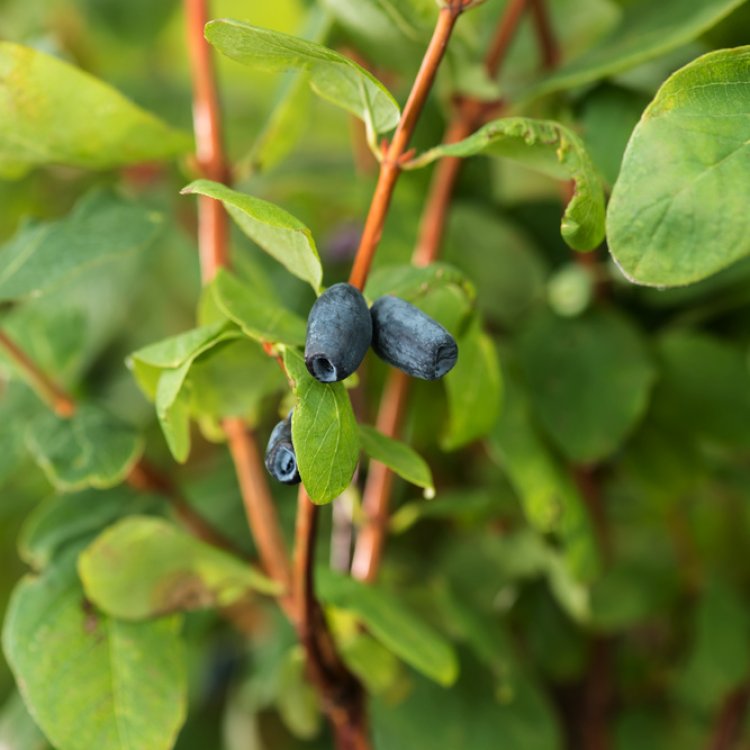
Following pollination, the plant develops elongated blue berries. These berries typically ripen in early summer, specifically around June in UK gardens. This makes them one of the very first soft fruits available for harvest each year. You can enjoy the distinctive flavour fresh, or alternatively, use them in jams, pies, and smoothies. Remember that planting at least two different varieties close together significantly increases fruit yield through cross-pollination.
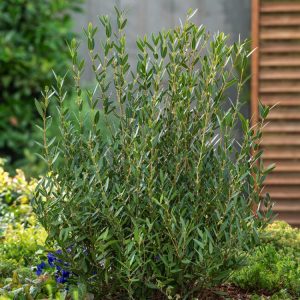
Lonicera caerulea kamtschatica proves versatile in the garden. For example, gardeners often integrate it into fruit borders or use it to create an informal hedge. It also works beautifully as a standalone specimen, providing early seasonal interest. You can even grow it successfully in larger containers.
Generally, this plant requires minimal pruning. However, remove any dead, damaged, or crossing branches in late winter or early spring. Moreover, older, established plants benefit from thinning out some of the oldest stems. This practice encourages new, vigorous growth and ultimately leads to better fruit production. Its attractive form and early harvest make Lonicera caerulea kamtschatica a superb choice.
This remarkable shrub is highly beneficial for local wildlife. Its early spring flowers supply vital nectar and pollen for bees and other early-emerging pollinators. Consequently, your garden becomes a more active and vibrant ecosystem. While birds also appreciate the berries, covering the plants with netting might be necessary if you wish to enjoy a significant harvest yourself.
Hardy in the harshest UK conditions and below. Suitable for mountain regions.
Ensure consistent moisture, particularly during dry periods and as berries develop. Apply a balanced fertiliser in early spring to support healthy growth and fruit production. Mulch around the base of the plant with organic matter to help retain soil moisture and suppress weeds. For optimal fruit yield, remember to plant at least two different varieties of Lonicera caerulea kamtschatica nearby to facilitate cross-pollination. This plant generally exhibits good resistance to common pests and diseases.
This plant is deciduous so it will lose all of its leaves in the autumn and get fresh new foliage each spring.