£11.39 – £13.75Price range: £11.39 through £13.75
The Liriodendron tulipifera, or Tulip Tree, is a majestic deciduous tree showcasing unique tulip-shaped flowers in summer. Its distinctive leaves turn brilliant golden-yellow in autumn, providing spectacular seasonal colour. Perfect for large UK gardens.
50 in stock
Liriodendron tulipifera, often known as the Tulip Tree, is a magnificent deciduous tree bringing unique beauty to any large UK garden.
This majestic tree truly stands out with its distinctive, tulip-like flowers and uniquely shaped leaves. Originating from eastern North America, it thrives in our temperate climate. This makes it a wonderful addition to spacious landscapes. As it matures, Liriodendron tulipifera forms an impressive specimen, offering superb aesthetic appeal and valuable ecological benefits. Furthermore, its seasonal changes provide continuous visual interest throughout the year.
The Liriodendron tulipifera, also known as the Tulip Tree, is a truly remarkable plant. Gardeners cherish it for its spectacular display and grand stature. Its scientific name comes from Greek words ‘leirion’ (lily) and ‘dendron’ (tree). This perfectly captures the essence of its striking blooms. Furthermore, the species epithet ‘tulipifera’ directly refers to the flower’s strong resemblance to a tulip. This impressive tree adds a touch of elegance wherever it grows.
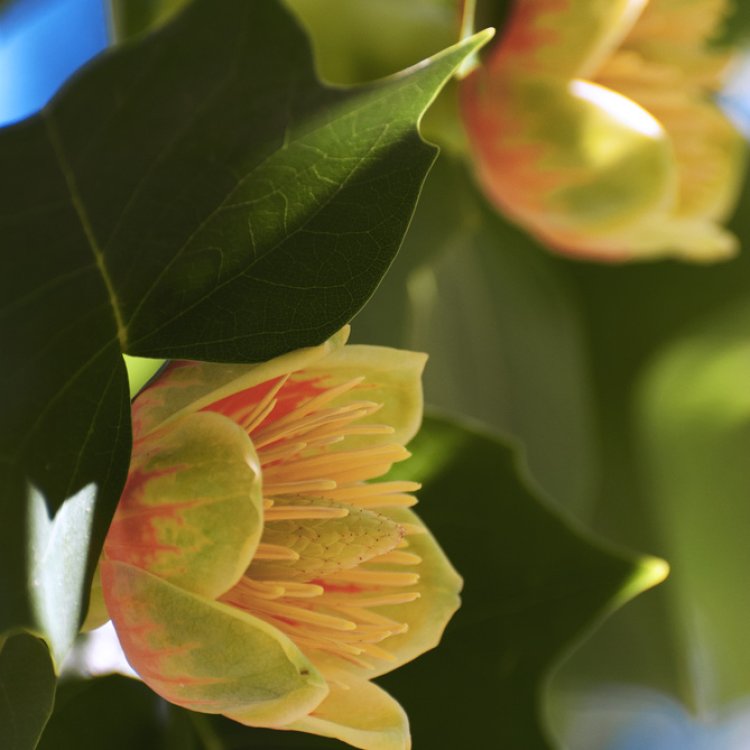
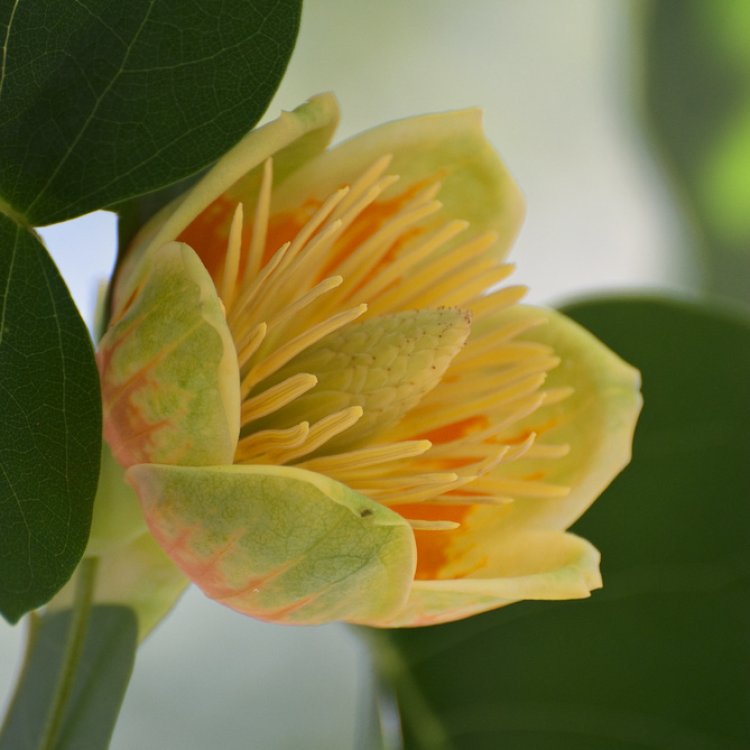
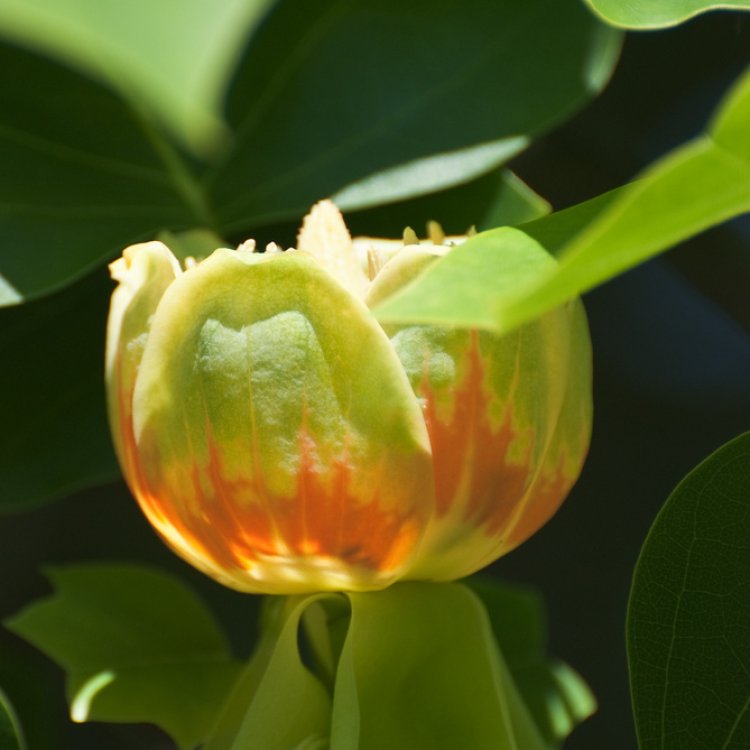
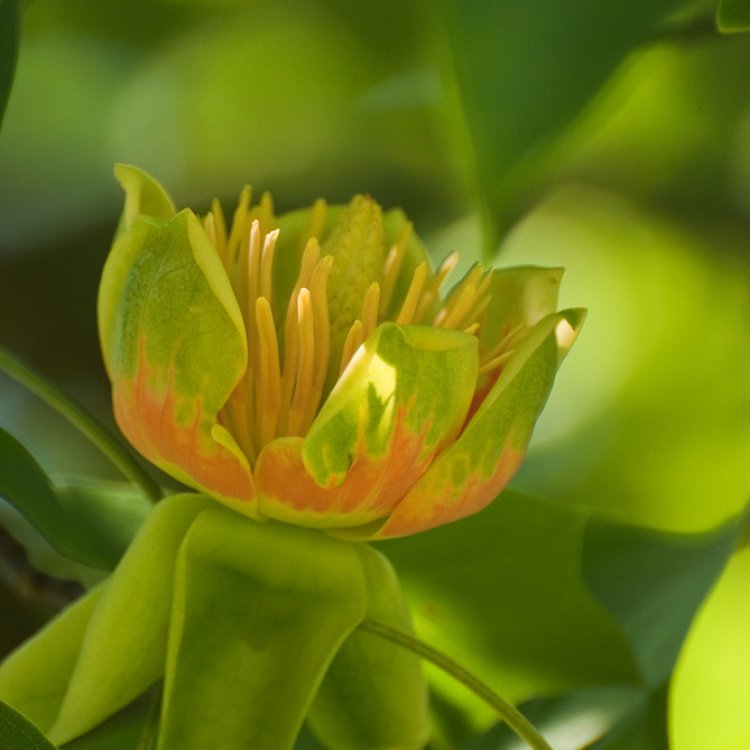
In early summer, the Liriodendron tulipifera unveils its most captivating feature: numerous tulip-shaped flowers. These blooms are a beautiful greenish-yellow. They feature a prominent orange band at their base. Held upright on the branches, they offer a subtle yet stunning display. Often, foliage somewhat hides them. Bees and other pollinators readily visit these nectar-rich blossoms. This contributes to local biodiversity.
Correspondingly, its bright green leaves are equally distinctive. They possess a unique four-lobed, saddle-like shape, making them instantly recognisable. As autumn arrives, these remarkable leaves transform into a brilliant, clear golden-yellow. This creates a breathtaking seasonal spectacle.
Liriodendron tulipifera grows into a magnificent, imposing tree. It is perfect for large gardens, parklands, or open spaces. Its relatively fast growth rate ensures quick establishment. It develops a straight, stately trunk and an ultimately broad, conical crown. While it can reach substantial heights, it gracefully provides superb dappled shade during warmer months.
Position it as a prominent specimen tree to fully appreciate its architectural form and seasonal beauty. It requires ample space to mature. Consider its eventual size when choosing a planting site. The Tulip Tree offers a truly impressive focal point.
Once established, Liriodendron tulipifera generally requires minimal pruning. You might only need to remove any dead, damaged, or crossing branches. This maintains its health and shape. Undertake this task in late summer or early autumn to avoid heavy sap bleed.
Importantly, the abundant flowers provide an excellent source of nectar and pollen for a variety of insects. Thus, planting a Tulip Tree helps support local bee populations and other beneficial garden wildlife. It makes a wonderful contribution to any eco-conscious garden scheme.
Very hardy. Tolerates temperatures typical of a continental winter.
When planting your Liriodendron tulipifera, choose a site with deep, fertile, well-drained soil and ample space for its future growth. Water newly planted trees regularly and deeply, especially during dry spells, to help them establish strong root systems. Continue this for the first few years. Apply a generous layer of mulch around the base, keeping it clear of the trunk, to conserve soil moisture, regulate temperature, and suppress weeds. Feed in early spring with a balanced, slow-release fertiliser designed for trees. Protect young trees from strong winds, which can damage new growth. Pruning is generally minimal; focus on removing any dead, diseased, or crossing branches in late summer or early autumn to prevent excessive sap bleed. Regular inspections for pests and diseases will help ensure your Tulip Tree remains healthy and vigorous.
This plant is deciduous so it will lose all of its leaves in the autumn and get fresh new foliage each spring.