£9.13 – £9.83Price range: £9.13 through £9.83
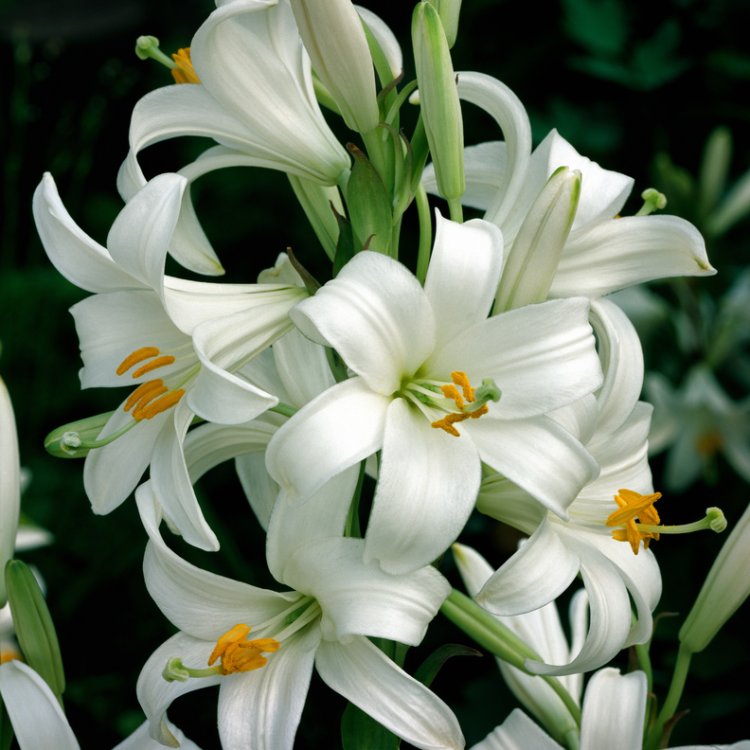
Lilium candidum, the Madonna Lily, graces UK gardens with pure white, fragrant, trumpet-shaped flowers from June to July. This classic, elegant perennial offers a stately presence and attracts pollinators.
129 in stock
Discover the timeless elegance of Lilium candidum, also known as the Madonna Lily, a truly iconic bulbous perennial gracing UK gardens.
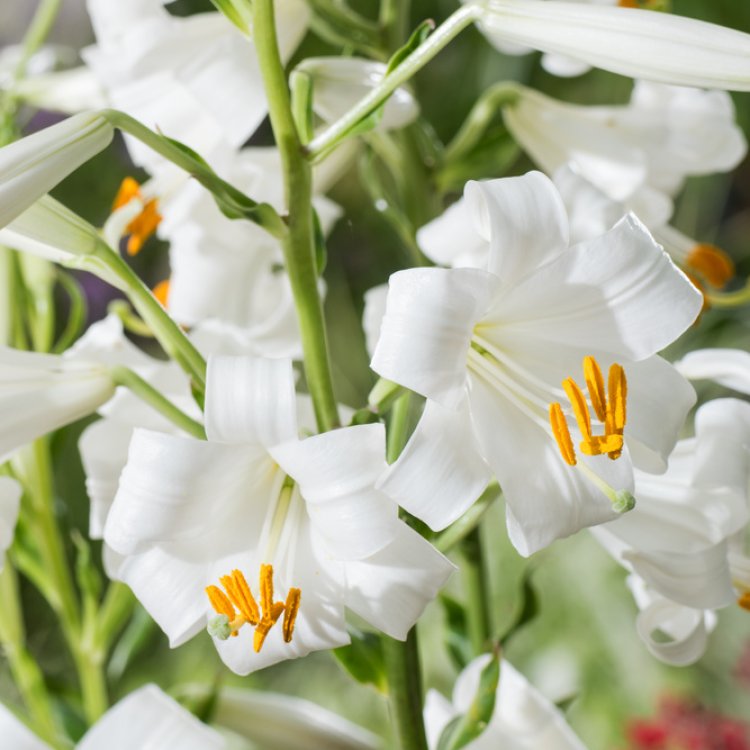
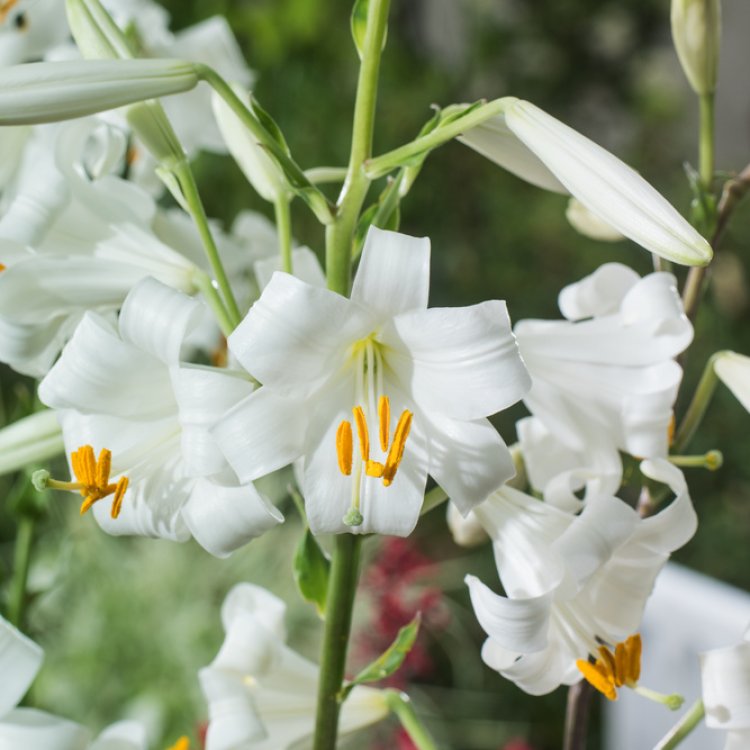
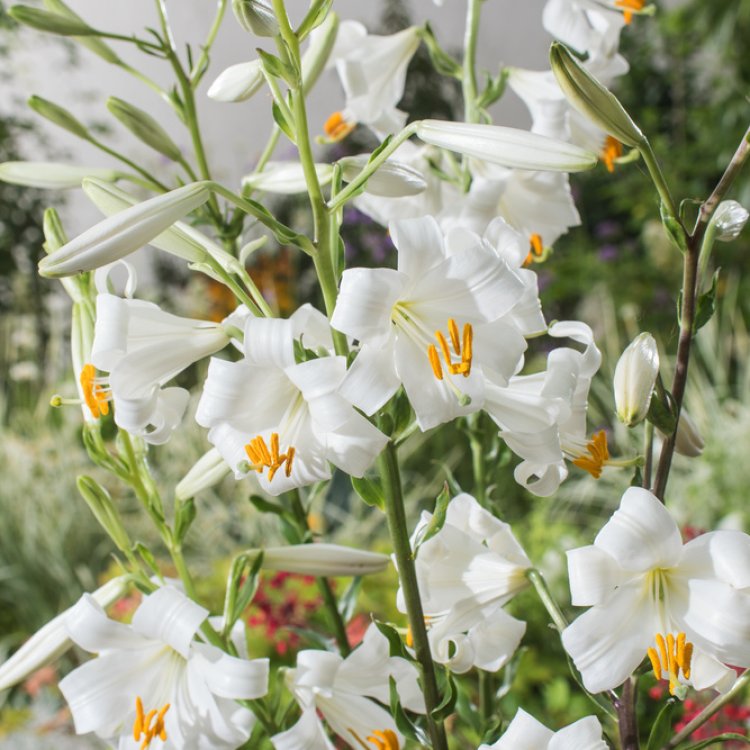
This magnificent plant brings pure white, trumpet-shaped flowers to the summer garden, exuding a delightful fragrance. For centuries, the Madonna Lily has held deep cultural significance, symbolising purity and innocence. It thrives in well-drained soil and a sunny spot, creating a stunning visual impact. This classic lily is a cherished addition, enriching any garden space with its majestic presence. Its tall, strong stems carry multiple blooms, making a dramatic display.
The botanical name, Lilium candidum, elegantly reflects this plant’s key characteristics. ‘Lilium’ is the classical Latin term for a lily, while ‘candidum’ means pure white, directly referencing its pristine flower colour. This species is native to the Balkans and the Middle East, where it has been cultivated for millennia. It later spread across Europe, becoming a beloved garden favourite. Its enduring appeal shows its beauty.
Lilium candidum presents a striking basal rosette of bright green leaves in autumn, which persists through winter. Then, in late spring, a tall, sturdy flower stem emerges from the centre. This stem can reach impressive heights, often bearing numerous large, pure white, outward-facing trumpet flowers. These exquisite blooms open from June into July, filling the air with their rich, sweet perfume. Each flower typically features prominent yellow anthers, adding a delicate contrast. The foliage later yellows and dies back after flowering, a natural process for this bulbous perennial.
The Madonna Lily performs best when planted in full sun or a position with partial sun. It prefers its roots to be cool, so many gardeners plant it among lower-growing perennials or shrubs that offer shade to the soil surface. This magnificent plant makes an exceptional statement in mixed borders, where its tall, elegant form rises above other plants. You can also plant Lilium candidum in drifts for a more naturalistic and abundant display. Furthermore, its strong, upright habit makes it a perfect choice for adding vertical interest to cottage gardens.
Lilium candidum acts as a magnet for local wildlife. Bees and butterflies readily visit its fragrant blossoms, seeking nectar and pollen. This contributes to the biodiversity of your garden space. Generally, this lily requires little complex care beyond deadheading spent flowers. This stops the plant from putting energy into seed production. Once the foliage naturally yellows and fades in late summer or early autumn, you can cut the flower stems back to ground level. This process helps the plant prepare for its dormant period.
Hardy in all of the UK and northern Europe. Suitable for exposed sites.
Plant Lilium candidum bulbs shallowly, with the nose just below the soil surface, in late summer or early autumn. Ensure excellent drainage. Provide a sunny position, ideally with some lower-growing plants to shade the soil around its base, keeping roots cool. Deadhead spent flowers promptly to divert energy from seed production back into the bulb. After flowering, allow the foliage to yellow and die back naturally before cutting the stems to ground level in late summer or early autumn. This feeds the bulb for the following season. Protect new basal rosettes from slugs and snails in autumn and winter.