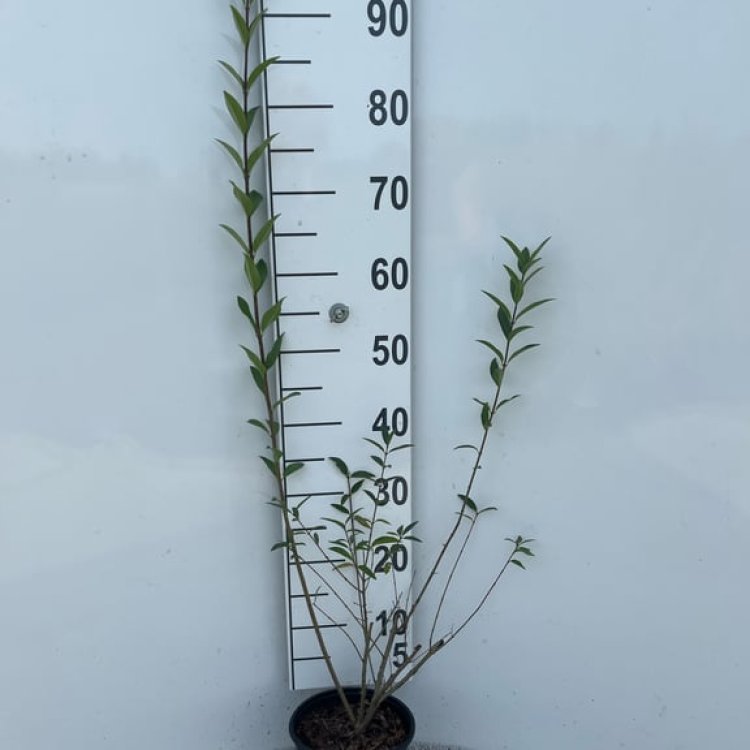
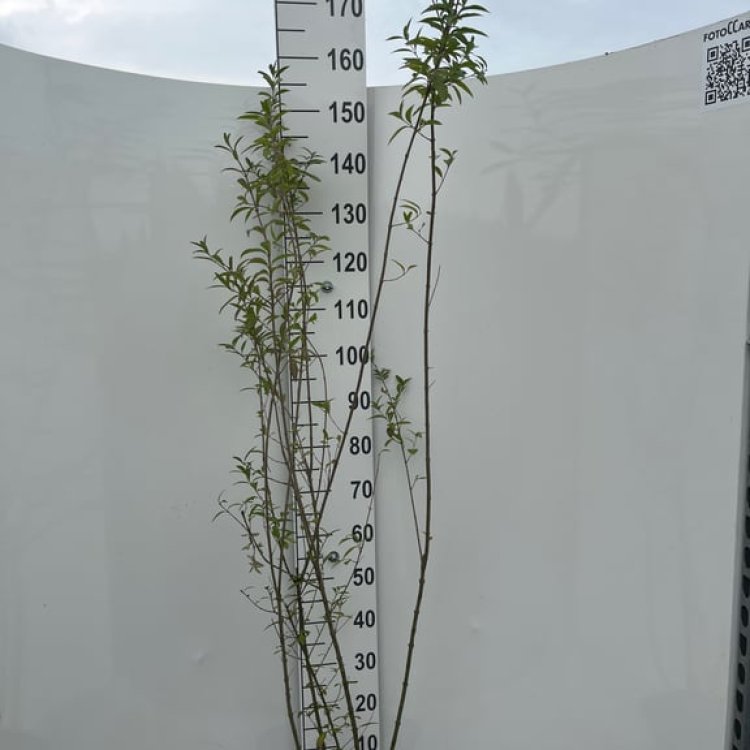
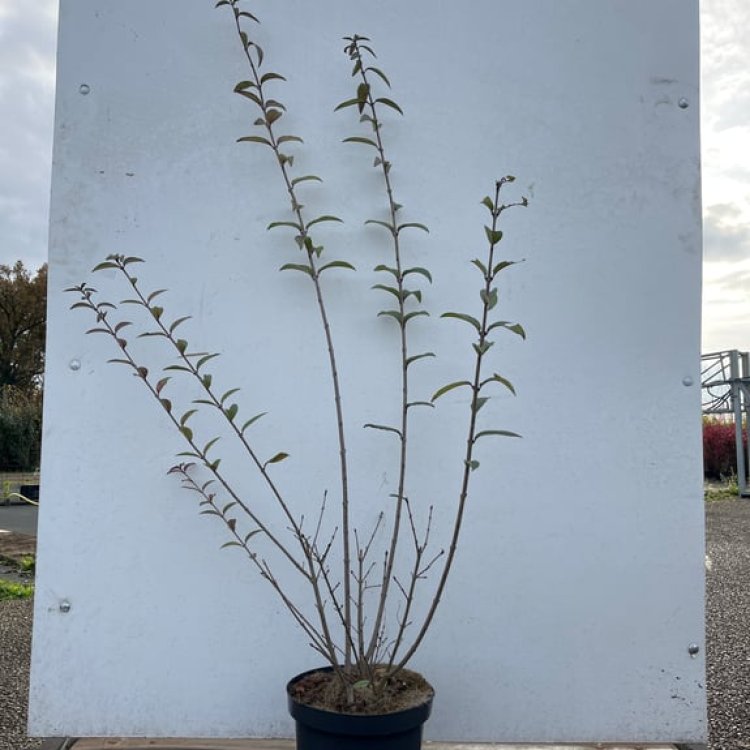
£4.73 – £7.09Price range: £4.73 through £7.09
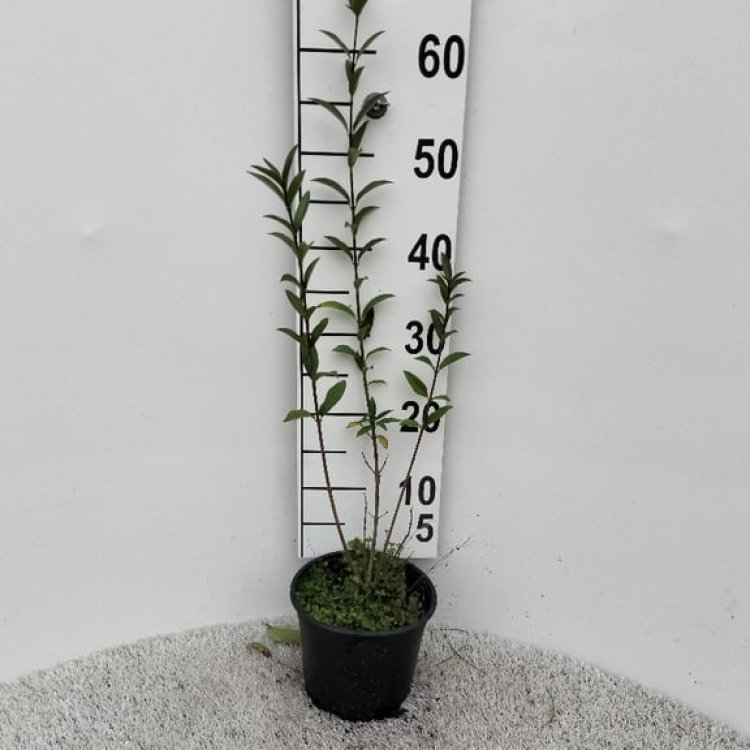
Ligustrum vulgare, or Wild Privet, is a fast-growing, adaptable shrub ideal for creating dense, wildlife-friendly hedges in UK gardens. Its deciduous to semi-evergreen foliage provides year-round interest, complemented by fragrant summer flowers and bird-attracting berries.
595 in stock
Discover Ligustrum vulgare, also known as Wild Privet. This robust and versatile plant creates dense hedges and screens in UK landscapes.
Ligustrum vulgare is a truly adaptable shrub. It is widely admired across UK gardens for its resilience and fast growth. This plant offers more than just practical screening. It brings year-round interest, thanks to its lush foliage. It is a popular choice for those seeking a reliable, low-maintenance hedging solution. It also supports local wildlife.
Gardeners appreciate its ability to thrive in various conditions. This makes it an excellent addition to almost any outdoor space.
Known commonly as Wild Privet, Ligustrum vulgare derives its botanical name from Latin. The genus name ‘Ligustrum’ likely comes from ‘ligare’, meaning to bind. This refers to the flexible stems used in traditional crafts. Furthermore, ‘vulgare’ simply translates to ‘common’. This highlights its widespread presence. This plant typically showcases dark green, oval-shaped leaves. They often remain on the plant through milder UK winters. This provides valuable structure. However, in colder areas, the foliage becomes deciduous. It falls away during autumn.
During early summer, usually around June and July, Ligustrum vulgare produces an abundance of creamy-white flowers. These small, tubular blooms gather in conical panicles. They release a distinct, sweet fragrance into the air. Consequently, these flowers prove highly attractive to a variety of pollinators. Bees and butterflies flock to the blossoms. They gather nectar and support garden biodiversity. Following this floral display, the plant develops small, glossy black berries. These decorative fruits mature in autumn. They provide a crucial food source for many bird species throughout the colder months.
Gardeners value Ligustrum vulgare primarily for its exceptional use in hedging. Its dense growth habit makes it ideal for creating strong, natural boundaries and privacy screens. Because of its tolerance to regular clipping, you can easily shape Wild Privet into formal, neat hedges. This adaptability also allows for various other garden applications. For instance, it works well as a windbreak. It also fits as part of a mixed native hedge. This boosts local ecosystems. Moreover, it can grow as a standalone shrub. It offers a beautiful, leafy backdrop in a border. Its hardiness and versatility truly make it a standout choice for diverse garden designs across the United Kingdom.
Very hardy. Tolerates temperatures typical of a continental winter.
Ligustrum vulgare prefers well-drained soil but tolerates a range of conditions once established. Water regularly during dry periods, especially in its first year, to aid establishment. For hedges, prune annually, ideally in late spring and again in late summer, to maintain a neat, dense shape. Apply a general-purpose fertiliser in spring to support healthy growth.
This plant is deciduous so it will lose all of its leaves in the autumn and get fresh new foliage each spring.