£1.80 – £3.22Price range: £1.80 through £3.22
Leucanthemum vulgare, the classic Ox-eye Daisy, brings cheerful white blooms to your garden from late spring to late summer. This hardy, native perennial is ideal for meadows and borders, attracting vital pollinators.
161 in stock
Unveil the simple beauty of Leucanthemum vulgare, also known as the Ox-eye Daisy, a classic British wildflower bringing cheerful white blooms to your garden.
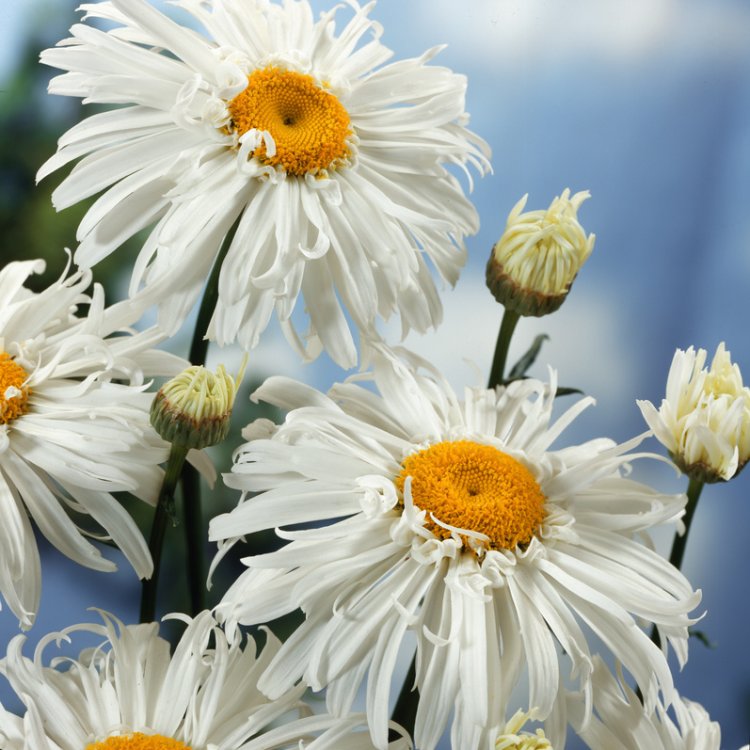
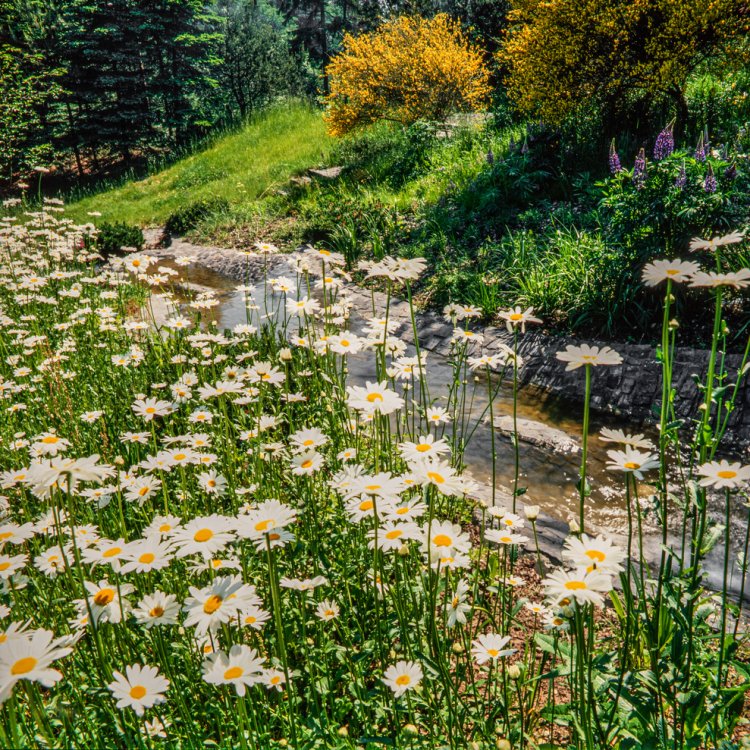
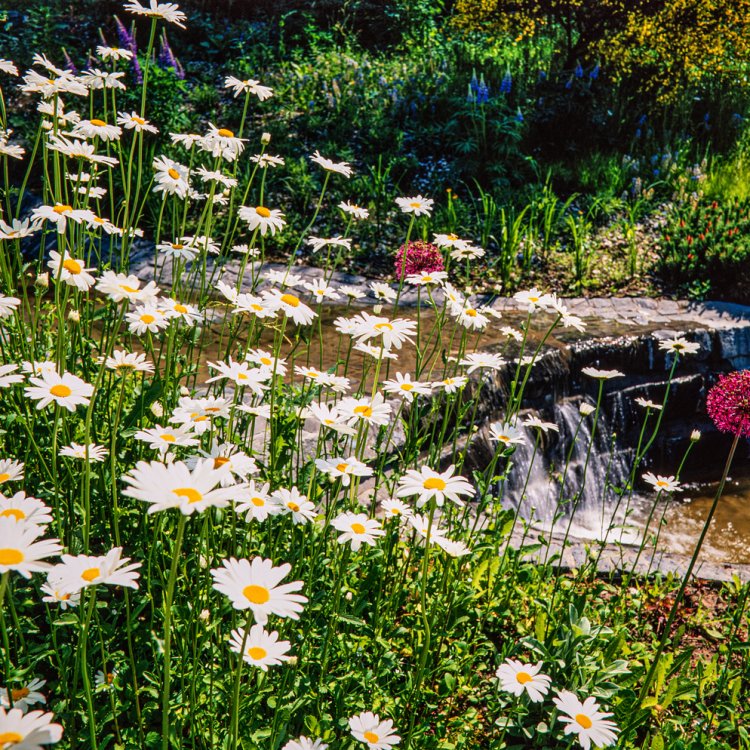
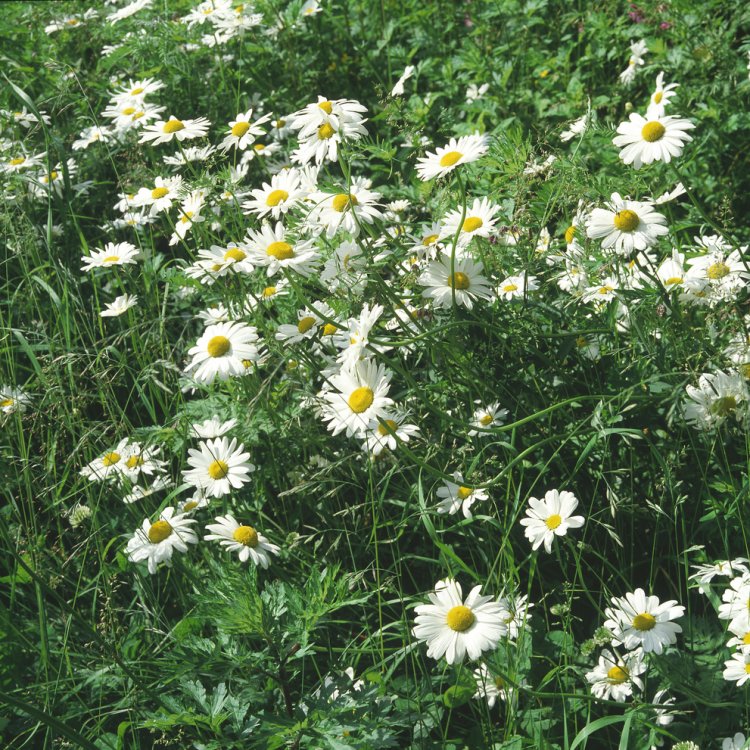
Leucanthemum vulgare is a cherished herbaceous perennial, celebrated for its iconic daisy-like flowers. These charming blooms feature crisp white ray petals encircling a vibrant golden-yellow centre. Often found gracing meadows and verges across the UK, this resilient plant embodies the essence of a natural, informal garden. It thrives with minimal fuss, making it a perfect choice for gardeners seeking both beauty and ease. Embrace its cheerful presence from late spring through to late summer.
Leucanthemum vulgare, often called the Ox-eye Daisy, is a timeless addition to any British garden. Its botanical name offers insight into its appearance. “Leucanthemum” derives from Greek, combining “leukos” meaning white and “anthemom” meaning flower. The specific epithet “vulgare” is Latin for common. This describes this much-loved ‘common white flower’ perfectly.
The striking flowers of Leucanthemum vulgare begin to emerge in late May or early June. They continue to bloom prolifically right through to September. Each flower head showcases numerous slender white ray florets. These create the familiar petal-like effect. They surround a dense boss of tiny yellow disc florets. This bright contrast provides a delightful spectacle throughout summer.
Furthermore, its fresh green foliage forms a neat basal rosette. Smaller, sparser leaves then ascend its sturdy, upright stems. This strong structure supports the cheerful blooms well. Consequently, the plant maintains a tidy appearance, even when not in flower.
Leucanthemum vulgare is wonderfully versatile in the garden. It fits seamlessly into wildflower meadows. This brings an authentic touch of the British countryside. Moreover, it softens the edges of informal borders and cottage gardens. You can also use it to naturalise areas, allowing it to spread gently. Consider planting it where its natural grace can be truly appreciated.
This plant makes an excellent cut flower, bringing its simple charm indoors. Furthermore, the Ox-eye Daisy is incredibly beneficial for local wildlife. Bees, butterflies, and other pollinators flock to its abundant nectar and pollen. Therefore, planting it supports a healthy garden ecosystem. It acts as a vital food source during its long flowering season.
While a low-maintenance plant, Leucanthemum vulgare benefits from some attention. Deadheading spent flowers encourages a continuous display of blooms. This also prevents excessive self-seeding. If you prefer a tidier look, you can cut back the whole plant after its main flush of flowers. This action prepares it for the next season. The plant’s robust nature ensures it bounces back readily. Therefore, it remains a strong performer year after year.
Hardy in the harshest UK conditions and below. Suitable for mountain regions.
Leucanthemum vulgare, the Ox-eye Daisy, is wonderfully low-maintenance, thriving in various UK garden settings. For best results, plant in well-drained soil in a position that receives full sun or partial sun. While adaptable, it prefers moderately fertile ground.
Water newly planted specimens regularly until they are established. Mature plants are quite drought-tolerant, particularly once settled. During extended dry spells, however, an occasional deep watering will be beneficial, especially if planted in lighter soils.
Deadheading spent flowers is highly recommended. This practice not only prolongs the flowering season but also helps to prevent prolific self-seeding, keeping the plant tidy. If you wish to allow some self-seeding for naturalisation, simply leave a few flower heads intact.
After the main flowering period, or if the plant begins to look untidy, you can cut the whole plant back to ground level. This rejuvenation prune encourages fresh foliage growth and prepares the plant for the following season. No specific feeding is usually required unless your soil is very poor; in such cases, a light application of a general-purpose fertiliser in spring would be sufficient.