£4.30 – £5.00Price range: £4.30 through £5.00
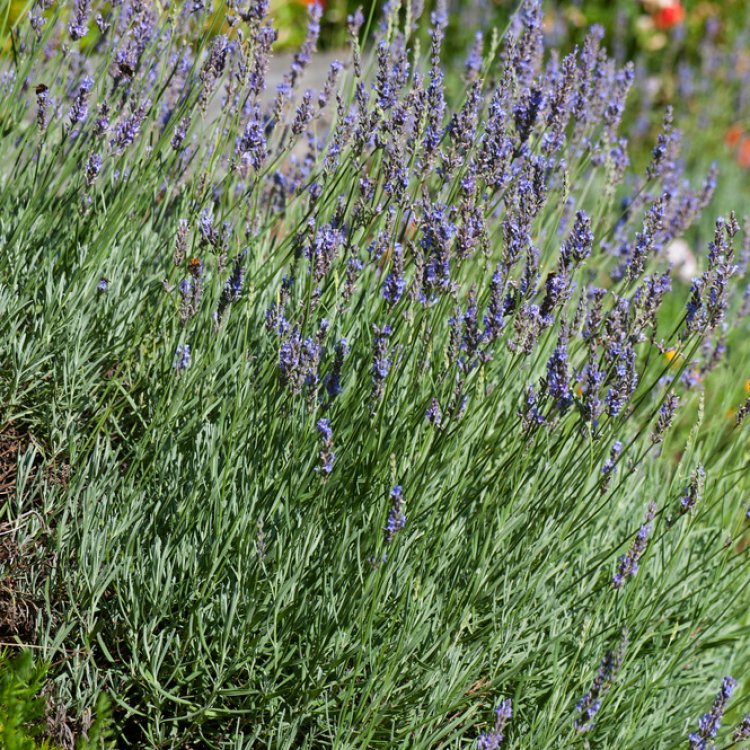
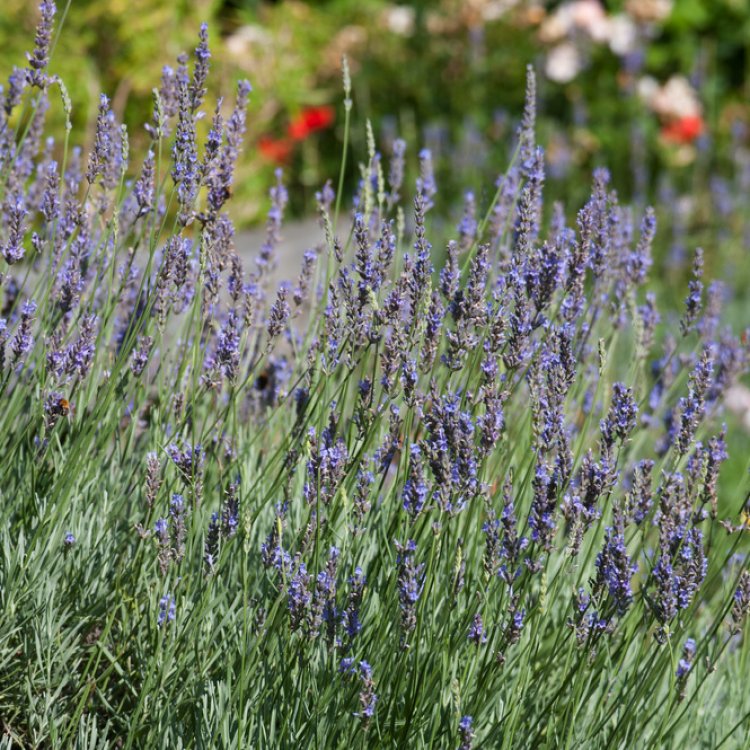
Lavandula intermedia ‘Dutch’, also known as Dutch Lavender, offers robust growth and abundant deep purple-blue flowers from July to August. This highly aromatic plant is perfect for borders, hedging, and attracting vital pollinators like bees and butterflies to your UK garden.
3750 in stock
Lavandula intermedia ‘Dutch’ brings a majestic sweep of fragrant purple to UK gardens, known for its robust growth and abundant summer blooms.
Lavandula intermedia ‘Dutch’, often called Dutch Lavender or Lavandin, offers gardeners a spectacular display of both colour and scent. This popular hybrid variety combines the best traits of its parent plants. It provides both admirable hardiness and an intensely aromatic experience. Furthermore, it thrives in various garden settings across the United Kingdom. Gardeners truly value its strong, upright flower spikes. These spikes create a stunning visual impact. This beautiful lavender therefore enhances any outdoor space with its distinctive charm and presence.
Lavandula intermedia ‘Dutch’ is an excellent choice for UK gardeners desiring a vibrant and fragrant addition. This exceptional plant belongs to the Lavandula genus. It is a natural hybrid, originating from a cross between English lavender (Lavandula angustifolia) and Spike lavender (Lavandula latifolia). Consequently, it inherits the hardiness of English lavender while also gaining the stronger, more camphorous scent characteristic of Spike lavender. The cultivar name ‘Dutch’ typically refers to its vigorous growth and bountiful flower production, signifying its high regard and widespread cultivation among enthusiasts.
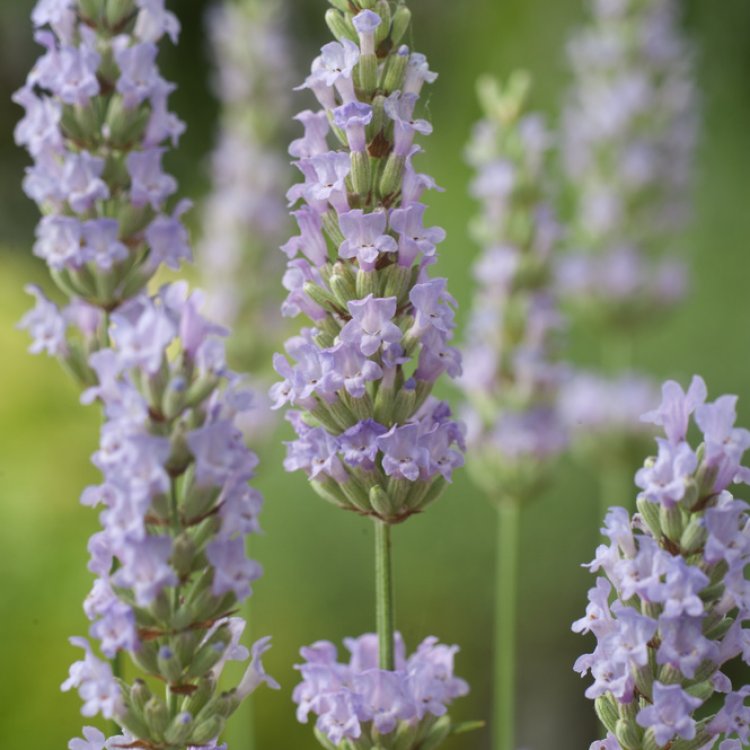
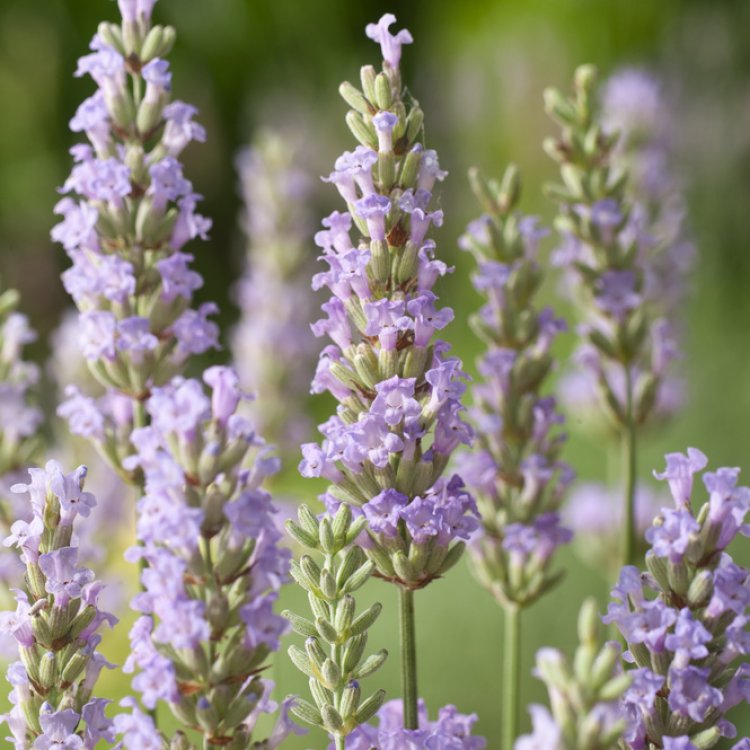
You will certainly notice its striking grey-green leaves. These leaves maintain their attractive colour well throughout the year. During the warm summer months, Lavandula intermedia ‘Dutch’ produces numerous long, elegant flower spikes. These spikes proudly bear dense clusters of rich purple-blue flowers. The beautiful blooms typically appear from July, then continue through August. As a result, they offer a prolonged period of garden interest. The powerful aroma of this Lavandin is widely appreciated. People often use it in essential oils and potpourri. Moreover, its vibrant flowers remain beautiful for a long time. You can enjoy them fresh or use them in dried arrangements.
This beautiful Lavandin thrives splendidly in full sun. It also prefers well-drained soil. Therefore, it makes a perfect plant for sunny borders and pathway edges. You can also use it effectively to create attractive low hedges. Additionally, it looks wonderful in gravel gardens, adding texture and colour. Many gardeners successfully plant it in large containers on patios or balconies. Lavandula intermedia ‘Dutch’ acts as a powerful magnet for pollinators. Bees and butterflies eagerly flock to its nectar-rich flowers. Thus, it plays a vital role in supporting local UK wildlife populations.
Maintaining its compact shape is straightforward with annual pruning. You should cut back the spent flower stems immediately after flowering finishes. This action encourages vigorous new growth. It also ensures a neat, bushy plant for the following season. This robust variety consistently delivers a rewarding and fragrant display year after year.
Hardy in all of the UK and northern Europe. Suitable for exposed sites.
Plant in full sun and well-drained, neutral to alkaline soil. Water regularly until established, then it is drought-tolerant. Prune annually after flowering in late summer/early autumn by removing spent flower stems and about one-third of the current year's growth. Avoid cutting into old wood. A light spring trim can remove winter damage.